 MAPI
MAPIHow to Clean a Washing Machine
Detergent, fabric softener, lint, and moisture can build up inside a washing machine and cause unpleasant smells or residue on clothes. A thorough cleaning includes the drum as well as the detergent drawer, seals, and other areas where moisture collects. Check the machine manual before choosing a cleaning product because recommended methods vary by model.
Run the machine's self-clean cycle if it has one, using the cleaner recommended by the manufacturer. Then wipe the drum, detergent drawer, door seal, and exterior, and leave the door or lid open until the interior is dry.
Things you'll need
- Microfiber cloths
- Warm water
- Mild dish soap
- Soft brush or old toothbrush
- Washing machine cleaner recommended for your model
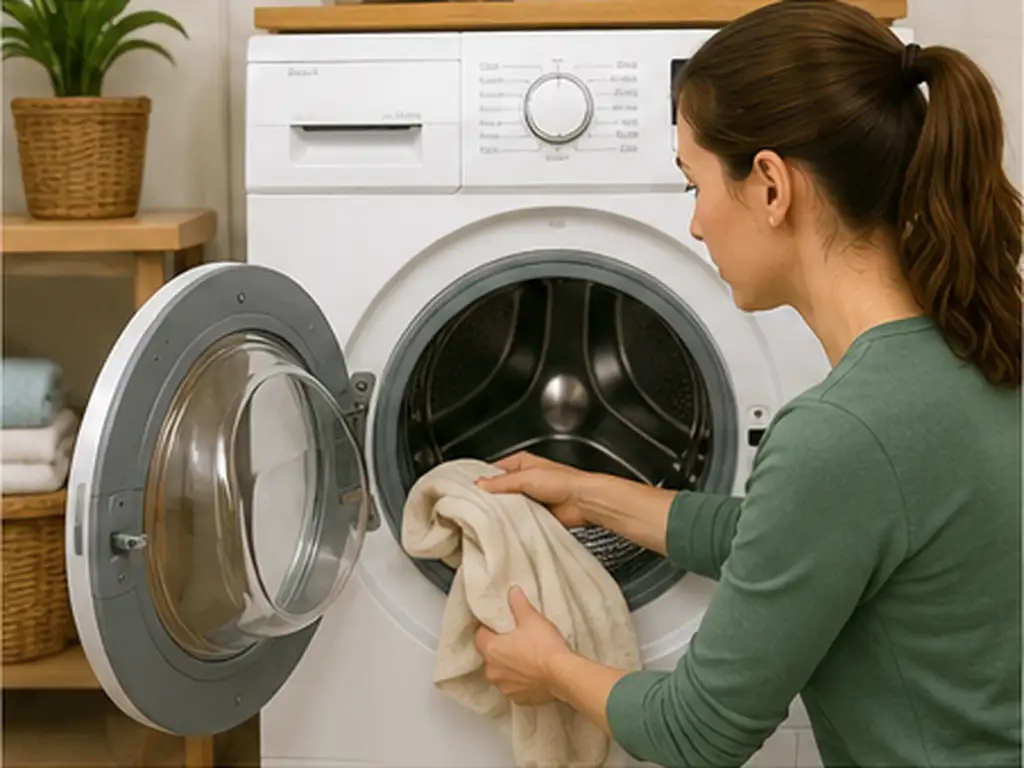
Empty the machine
Remove all laundry and check the drum for coins, tissues, hair, or other loose items. Make sure the machine is empty before starting a cleaning cycle. If the washer was recently used, allow any hot surfaces or water to cool first.
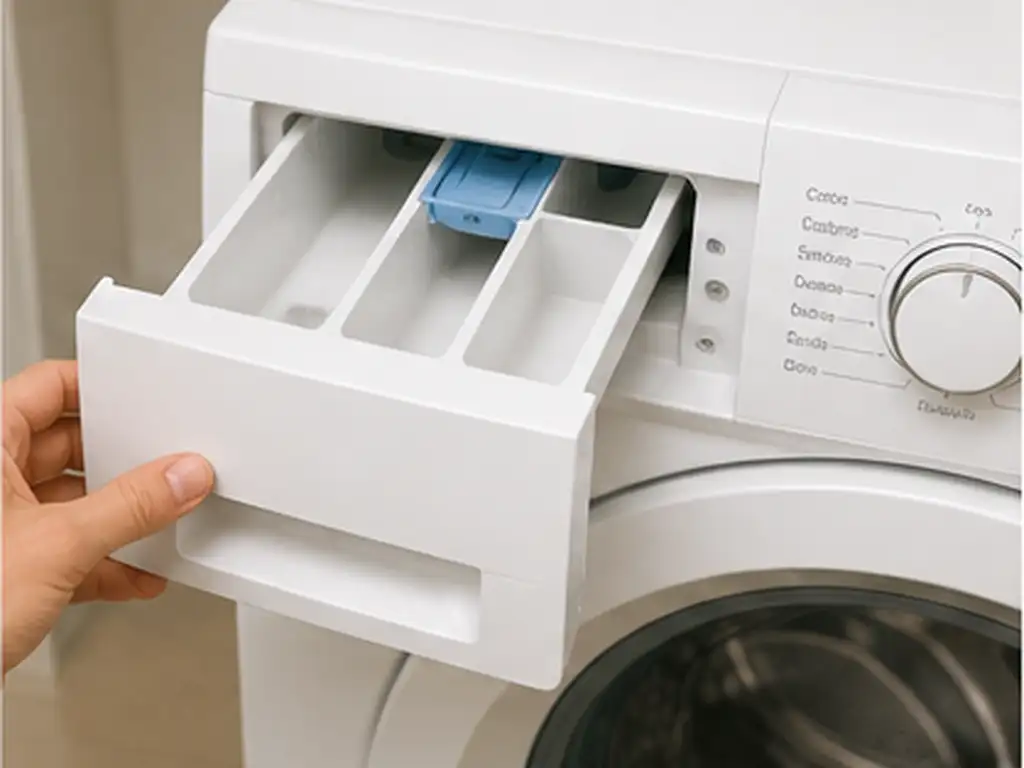
Clean the detergent drawer
Pull out the detergent drawer if the design allows it. Rinse removable parts with warm water and scrub away detergent or fabric-softener residue with a soft brush. Wipe inside the drawer compartment before reinstalling the parts.
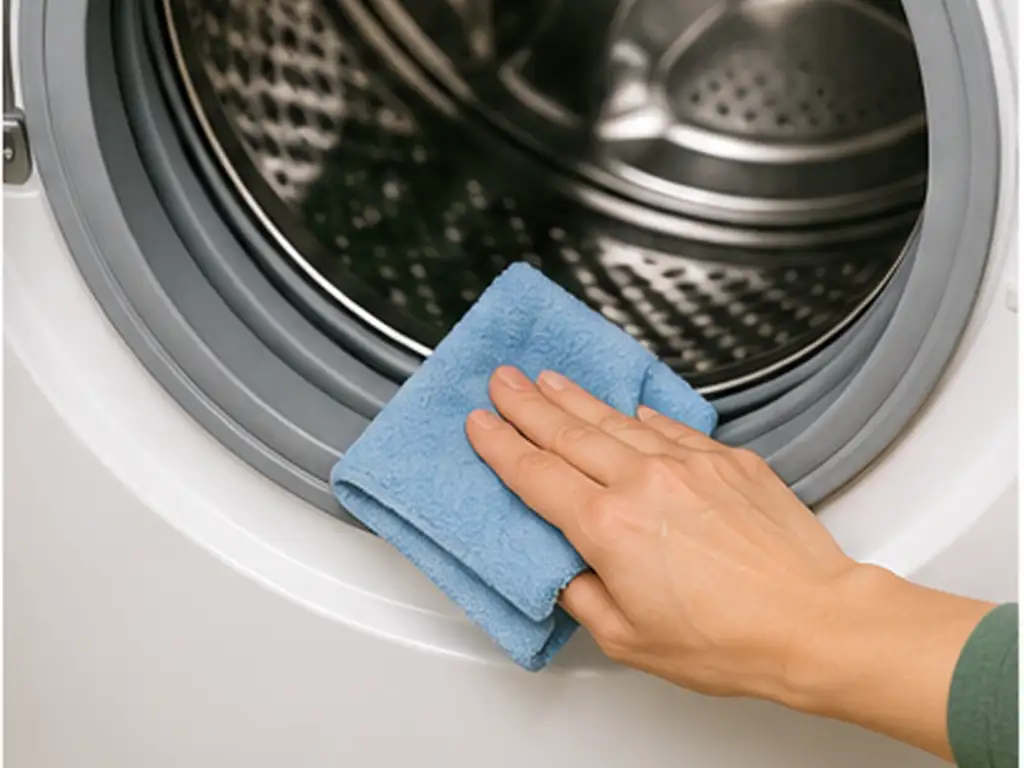
Wipe the seal and drum
For a front-loading washer, gently pull back the rubber door seal and wipe away lint, hair, moisture, and residue trapped in the folds. Wipe the inside of the drum and the door glass with a damp microfiber cloth. For a top-loader, wipe around the rim, lid, and upper drum area where detergent residue can collect.
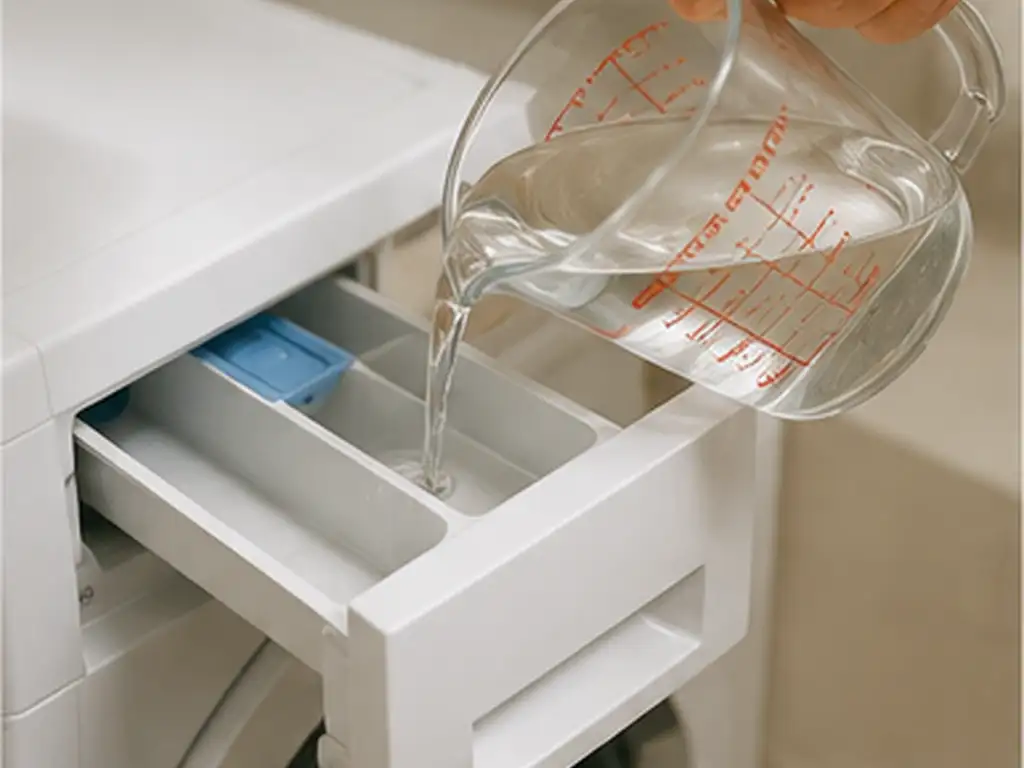
Run a cleaning cycle
Use the washer's self-clean, drum-clean, or hottest appropriate empty cycle according to the manual. Add only the washing machine cleaner or cleaning product recommended for your model, and use the specified amount. Never mix chlorine bleach with vinegar, ammonia, or other cleaners.
Clean the filter area if accessible
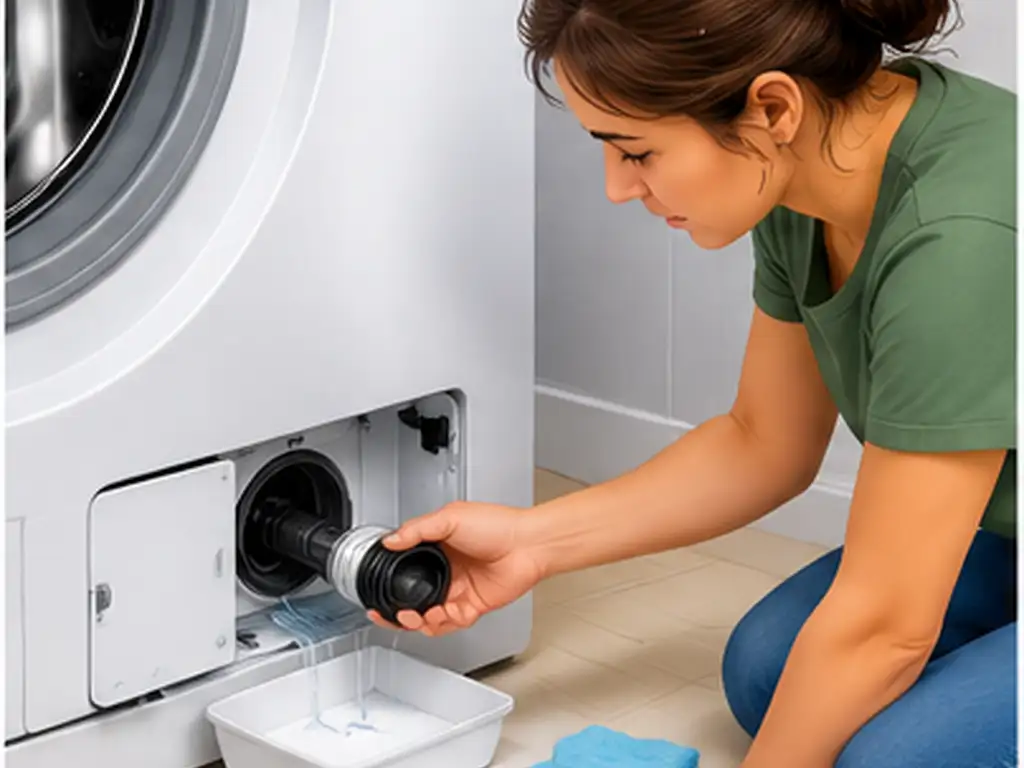
If your washer has a user-accessible pump or lint filter, follow the manual before opening it. Place a towel or shallow container underneath because some water may drain out. Remove trapped lint and debris, rinse the filter, and reinstall it securely. Skip this step if your model does not have a user-serviceable filter.
Dry the washer and exterior
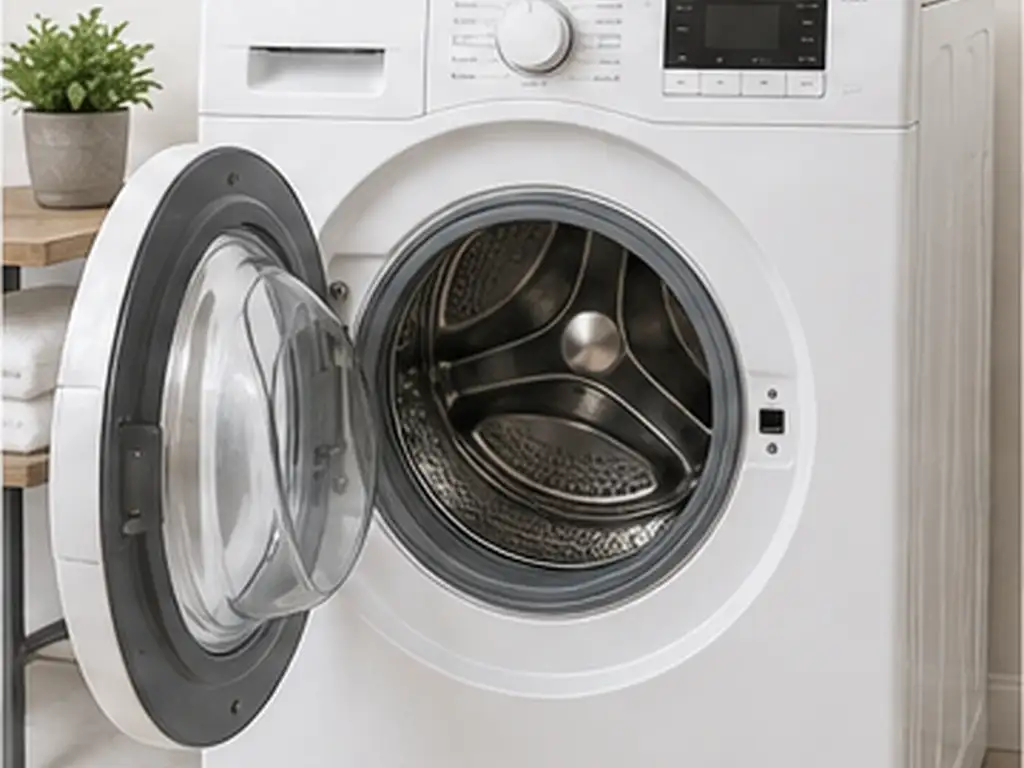
When the cleaning cycle finishes, wipe the drum, door or lid, control panel, and exterior with a clean cloth. Leave the door or lid and detergent drawer open until the inside is dry. This allows moisture to escape and helps prevent musty odors from returning.
Tips & common mistakes
Tips for best results
- Leave the washer door or lid open after laundry cycles when practical so trapped moisture can evaporate.
- Use the amount of detergent recommended for your load size and water conditions because excess detergent can leave more residue.
- Wipe a front-loader door seal regularly, especially if water or lint collects in its folds.
- Clean the detergent drawer before buildup becomes thick or sticky.
- Follow the cleaning reminder or maintenance interval in your washer manual if your machine provides one.
Common mistakes
- Mixing cleaning products: Never combine chlorine bleach with vinegar, ammonia, or other cleaners because dangerous gases can form.
- Using too much detergent: Excess detergent can create residue inside the washer and contribute to odors.
- Ignoring the door seal: Moisture and debris can remain hidden in the folds of a front-loader seal.
- Opening a filter without checking the manual: Some models can release water or may not have a user-serviceable filter.
- Closing the washer while it is still damp: Trapped moisture can encourage musty smells to return.
Frequently asked questions
How often should I clean my washing machine?
Follow the maintenance schedule in your washer manual. If the machine develops odors, visible residue, or a cleaning reminder appears, clean it sooner.
Can I clean a washing machine with vinegar?
Some manufacturers allow diluted vinegar, while others recommend a dedicated washer cleaner. Check your manual first because repeated acid exposure may not be suitable for every seal or component.
Why does my washing machine smell after cleaning?
Residue may still be trapped in the detergent drawer, door seal, filter area, or drain system. Clean accessible areas again and allow the washer to dry fully with the door or lid open.
Do top-loading and front-loading washers need the same cleaning method?
The basic goal is similar, but the parts differ. Front-loaders need extra attention around the rubber door seal, while top-loaders should be wiped around the lid, rim, and upper drum area.
Can I use bleach and vinegar in separate washing machine cycles?
Do not combine them or use them together. If your manufacturer permits either product, follow its instructions carefully and rinse the machine thoroughly before using a different cleaner.
Written by Mapiance Editorial Team
The Mapiance Editorial Team researches, writes, reviews, and maintains practical guides and explainers for MAPIANCE.
Published Aug 21, 2026 · Updated Sep 9, 2026