 MAPI
MAPIHow to Clean an Oven
Ovens collect grease, spills, crumbs, and baked-on food that can cause smoke and odors during cooking. The safest cleaning method depends on the oven lining and whether the appliance has self-clean, steam-clean, catalytic, or other special surfaces. Check the owner's manual before using strong cleaners, and never apply commercial oven cleaner inside a self-cleaning oven unless the manufacturer specifically allows it.
Turn the oven off and let it cool completely, remove the racks and loose debris, then clean the interior with warm soapy water or a cleaner approved for your model. Wipe away all residue, clean the racks separately, and dry everything before reassembling.
Things you'll need
- Microfiber cloths
- Warm water
- Mild dish soap
- Soft non-scratch sponge
- Soft nylon brush
- Oven cleaner approved for your specific model if needed
- Old towel or protective cloth
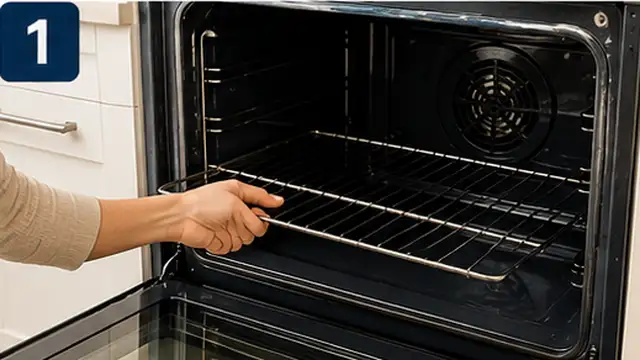
Turn off and cool the oven
Make sure all oven controls are off and let the appliance cool completely. Remove cookware, baking trays, thermometers, and other loose items. If your oven has a self-clean or steam-clean function, check the owner's manual before deciding whether to clean it manually.
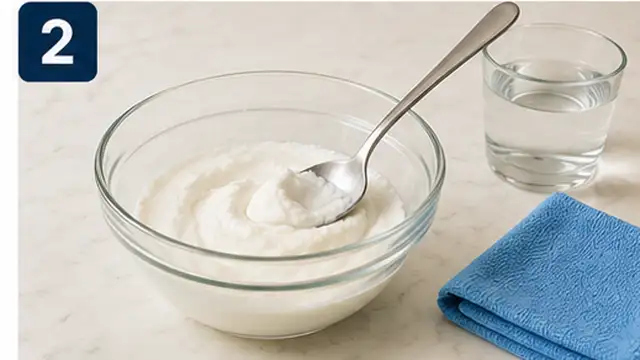
Remove the racks and loose debris
Take out the oven racks if the manual allows them to be removed for cleaning. Brush or wipe loose crumbs and food pieces from the oven floor with a dry cloth or soft brush. Avoid scraping the enamel or special interior coating with metal tools.
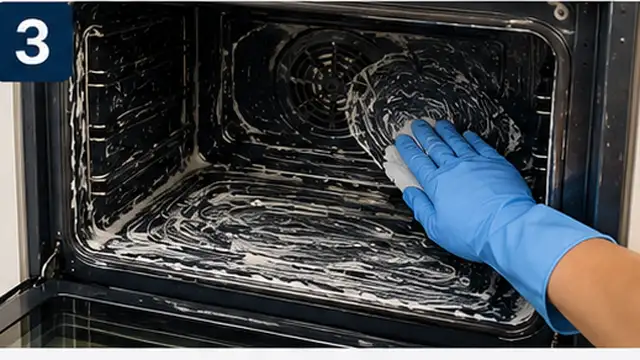
Wipe the oven interior
For light to moderate soil, dampen a soft cloth or non-scratch sponge with warm water and a small amount of mild dish soap. Wipe the oven walls, floor, and ceiling surfaces that the manufacturer allows you to clean manually. Keep excess water away from vents, electrical openings, heating-element connections, and other openings.
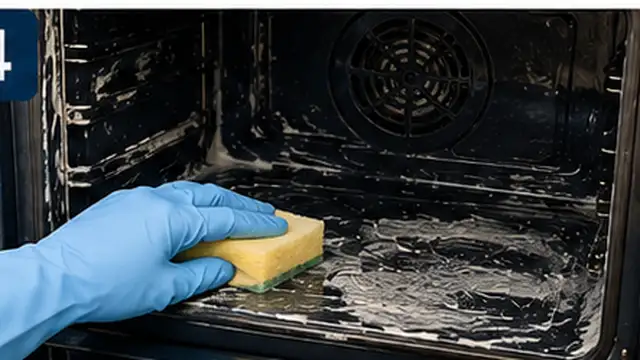
Treat stubborn baked-on spots
If residue remains, use only a non-abrasive cleaner or oven-cleaning product approved for your specific oven. Apply it to the stained area according to the product and appliance instructions, then loosen the residue with a soft sponge or nylon brush. Do not use commercial oven cleaner on a self-cleaning oven unless the manufacturer specifically says it is safe.
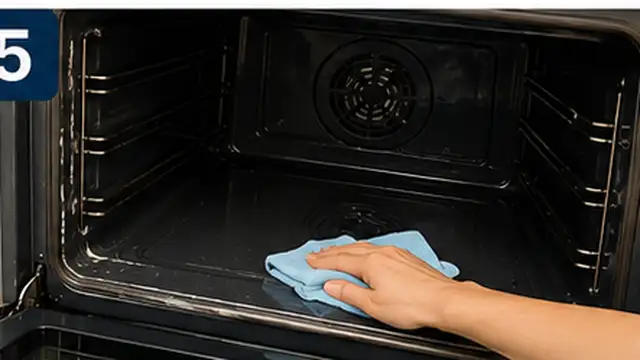
Clean the racks and door
Wash removable racks according to the owner's manual, using warm soapy water and a soft sponge when permitted. Wipe the inside of the oven door and glass with a non-abrasive cloth. Do not rub, soak, move, or scrub the door gasket on models where the manufacturer warns against cleaning it, because the gasket is important for a proper seal.
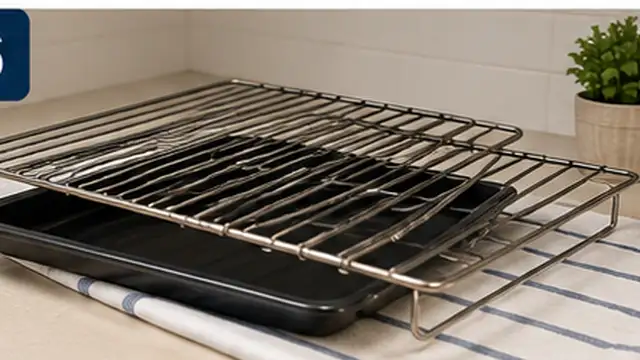
Rinse, dry, and reassemble
Wipe the interior again with a clean damp cloth until all soap or cleaner residue is gone. Dry accessible surfaces, racks, and the door with a clean towel and let any remaining moisture evaporate. Reinstall the racks only when everything is dry, then wipe the exterior and control panel with a cleaner suitable for their finish.
Tips & common mistakes
Tips for best results
- Wipe fresh spills after the oven has cooled so they do not bake into a harder layer during the next use.
- Place a tray under foods that are likely to bubble over when your recipe and oven instructions allow it, rather than lining the oven floor with foil.
- Use non-abrasive cloths and sponges on enamel, glass, stainless steel, and coated surfaces.
- If your oven has a steam-clean or self-clean cycle, follow the model-specific instructions for removing racks and accessories before starting it.
- Ventilate the kitchen during intensive cleaning cycles and follow all safety warnings in the appliance manual.
Common mistakes
- Cleaning a hot oven: Hot surfaces can cause burns and may make some cleaners behave unpredictably. Let the oven cool first.
- Using commercial oven cleaner in a self-cleaning oven without approval: Cleaner residue can damage some self-clean oven liners.
- Scrubbing the door gasket: Damaging or moving the gasket can prevent the oven door from sealing correctly.
- Using abrasive tools on the interior or glass: Steel wool, metal scrapers, and harsh powders can scratch coatings and glass.
- Leaving cleaner residue behind: Soap or chemical residue can stain, smoke, or create odors when the oven heats again.
Frequently asked questions
Can I use oven cleaner in a self-cleaning oven?
Many manufacturers advise against commercial oven cleaner on self-cleaning oven liners because it can damage the surface. Check your exact oven manual before using any chemical cleaner.
Should I remove oven racks before using the self-clean cycle?
Often yes, because some racks and accessories can discolor or become harder to slide during self-cleaning. Follow the instructions for your specific model.
Can I clean the oven door gasket?
Some manufacturers specifically warn not to rub, clean, move, or damage the gasket because it is needed for a proper seal. Follow your oven manual before touching it.
How do I clean baked-on grease without scratching the oven?
Soften the residue with a cleaning method approved for your oven, then use a soft non-scratch sponge or nylon brush. Avoid metal scrapers and abrasive powders.
How often should I clean my oven?
Clean spills after the oven cools and perform a deeper cleaning when grease, smoke, odors, or baked-on residue begin to build up. The maintenance schedule in your oven manual should take priority.
Written by Mapiance Editorial Team
The Mapiance Editorial Team researches, writes, reviews, and maintains practical guides and explainers for MAPIANCE.
Published Aug 22, 2026 · Updated Sep 20, 2026