 MAPI
MAPIHow to Fix a Cabinet Door That Won't Close
A cabinet door that will not close can be caused by something blocking it, loose screws, poor hinge alignment, a door that sits too far forward, or a worn hinge. Start with the simple checks before adjusting anything. Many concealed cabinet hinges allow side-to-side, height, and depth adjustments, but the exact screw layout varies by hinge, so make small changes and follow the hinge maker's instructions when available.
Remove anything blocking the door, tighten loose hinge screws, then adjust the hinges in small steps. On concealed hinges, use the correct side, height, or depth adjustment for the problem and test the door after each change.
Things you'll need
- Screwdriver that fits the hinge screws
- Small level or ruler
- Flashlight
- Helper or support for a large cabinet door
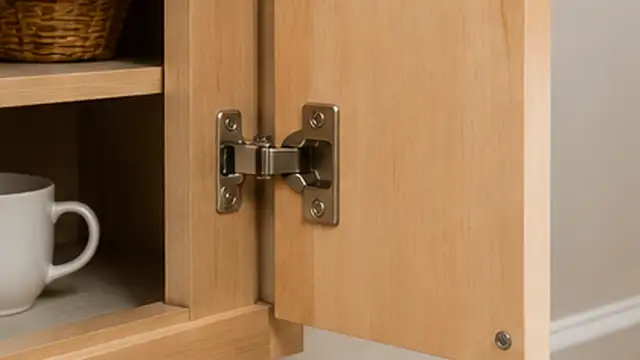
Check for anything blocking the door
Open the cabinet and look for shelves, containers, drawer fronts, loose hardware, or other items that may be stopping the door before it reaches the frame. Check the hinge side and the top and bottom edges as well. Remove or reposition anything that touches the door before adjusting the hinges.
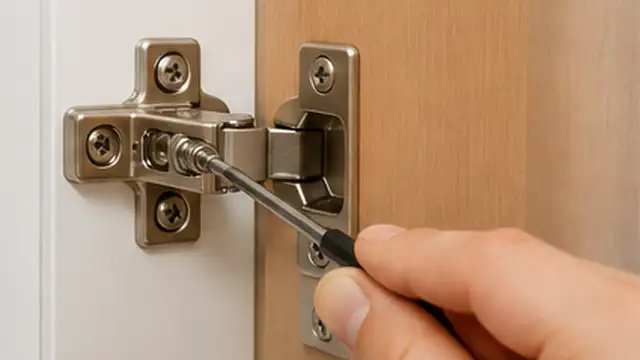
Tighten loose hinge screws
Support the door and check the screws that hold each hinge to the door and cabinet. Tighten any loose screws with the correct screwdriver, but do not overtighten them. A loose hinge can let the door sag, shift forward, or rub against the cabinet before it closes.
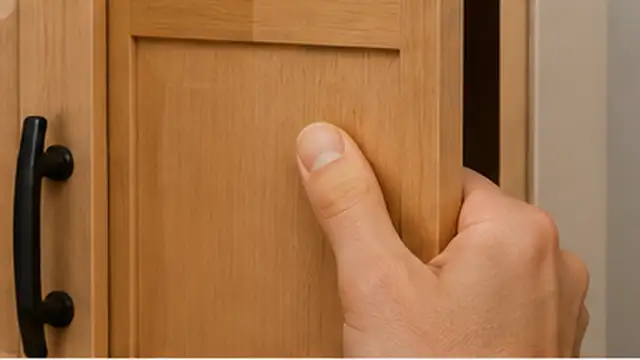
Check the door alignment
Close the door slowly and watch where it first touches the cabinet or a neighboring door. If the top and bottom gaps are uneven, the door may need a height or side-to-side adjustment. If the door looks correctly positioned but stays proud of the cabinet, the depth adjustment may be the problem.
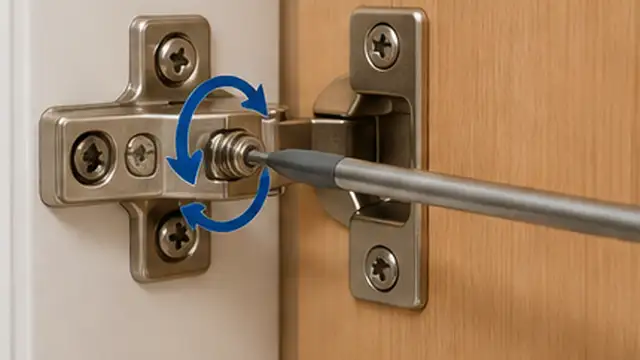
Adjust the hinge position
On concealed European-style hinges, identify the adjustment that controls the direction you need: side-to-side, height, or depth. Turn the correct screw only a small amount, then close the door and check the result. Adjust both hinges when necessary so the door stays square instead of twisting.
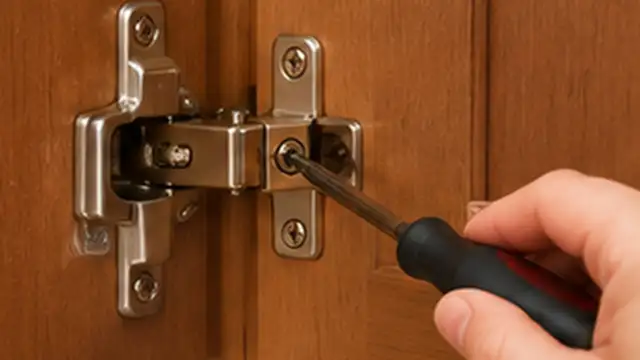
Adjust the depth so the door closes flush
If the door stops before sitting flat against the cabinet, use the hinge's depth adjustment if your hinge provides one. Move the door slightly closer to or farther from the cabinet until it closes without binding. Make small changes at the upper and lower hinges and keep checking that the door remains even.
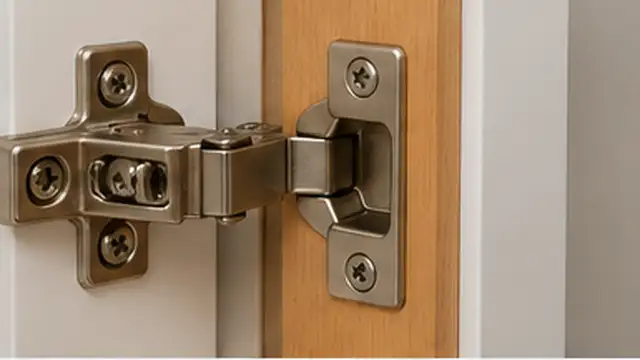
Inspect the hinge and door if it still will not close
If adjustment does not solve the problem, look for a bent hinge, loose mounting plate, stripped screw hole, swollen cabinet material, or a warped door. Replace damaged hardware or repair loose screw holes before trying to align the door again. A badly warped or swollen door may need repair or replacement rather than further hinge adjustment.
Tips & common mistakes
Tips for best results
- Make one small hinge adjustment at a time and test the door before turning another screw.
- Support heavy cabinet doors while loosening or adjusting hinges so their weight does not pull the hardware out of position.
- Compare the door with neighboring cabinet doors to judge even gaps and flush alignment.
- Use the screwdriver type that fits the hinge screw correctly to avoid damaging the screw head.
- If a screw will not tighten, repair the stripped hole before relying on hinge adjustment.
Common mistakes
- Adjusting the hinges before checking for an obstruction: A shelf, container, or loose part may be the only reason the door will not close.
- Turning several adjustment screws at once: This makes it difficult to know which change improved or worsened the alignment.
- Overtightening screws: Excessive force can strip screw holes in particleboard, MDF, or soft wood.
- Forcing the door shut: Repeated force can bend hinges, damage the finish, or loosen the mounting plate.
- Ignoring a damaged hinge or warped door: Alignment adjustments cannot permanently correct broken hardware or severely distorted material.
Frequently asked questions
Why does my cabinet door stop before it closes?
The door may be hitting an object, rubbing against the cabinet or another door, sitting too far forward, or using a loose or damaged hinge. Check for contact points before adjusting the hinges.
Which hinge screw makes a cabinet door close tighter?
On many concealed hinges, the depth adjustment moves the door closer to or farther from the cabinet. The exact screw varies by hinge model, so identify the adjustment before turning it.
Why does my cabinet door close only if I lift it?
The door is probably sagging because of loose screws, poor height alignment, a damaged hinge, or worn screw holes. Support the door, tighten the hardware, and then correct the alignment.
What if my cabinet door is warped?
A slightly warped door may still be usable if the hinges can compensate for it, but a badly warped or swollen door may need repair or replacement.
Can I adjust traditional cabinet hinges the same way as concealed hinges?
Not always. Traditional hinges may not have built-in adjustment screws and may need to be loosened and repositioned physically. Follow the hardware design rather than assuming the same adjustment method.
Written by Mapiance Editorial Team
The Mapiance Editorial Team researches, writes, reviews, and maintains practical guides and explainers for MAPIANCE.
Published Aug 22, 2026 · Updated Oct 2, 2026