 MAPI
MAPIHow to Fix Blossom End Rot on Tomatoes
Blossom end rot appears as a dark, sunken patch on the end of a tomato opposite the stem. It is a physiological problem, not a contagious disease. The fruit cannot be repaired once the damaged area forms, but the plant can often produce healthy later fruit when watering and root conditions become more consistent. Adding calcium without checking the soil is not always helpful because many gardens already contain enough calcium.
Remove badly affected tomatoes, then keep the root zone evenly moist instead of letting the soil swing between very dry and very wet. Add mulch, avoid damaging roots, and do not overfertilize with nitrogen. Blossom end rot is usually caused by poor calcium movement into developing fruit, often from moisture stress, rather than simply too little calcium in the soil.
Things you'll need
- Watering can, hose, or drip irrigation
- Organic mulch such as straw or shredded leaves
- Clean pruning shears if needed
- Soil test kit or laboratory soil test if the problem continues
- Balanced tomato fertilizer only if the plant needs feeding
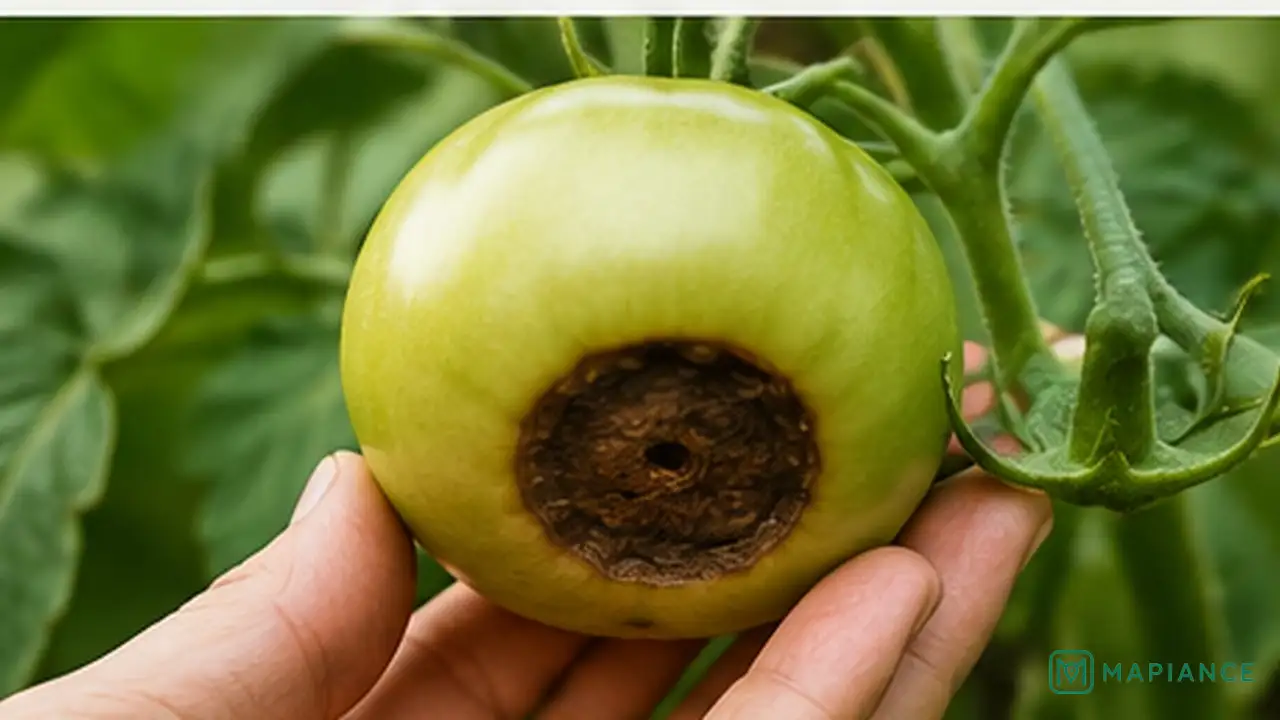
Confirm that it is blossom end rot
Look at the end of the tomato opposite the stem. Blossom end rot usually starts as a pale or water-soaked spot that becomes brown or black, sunken, and leathery as the fruit grows. The damaged area stays concentrated at the blossom end. If the fruit has scattered spots, chewing damage, mold, or lesions elsewhere, another problem may be involved.
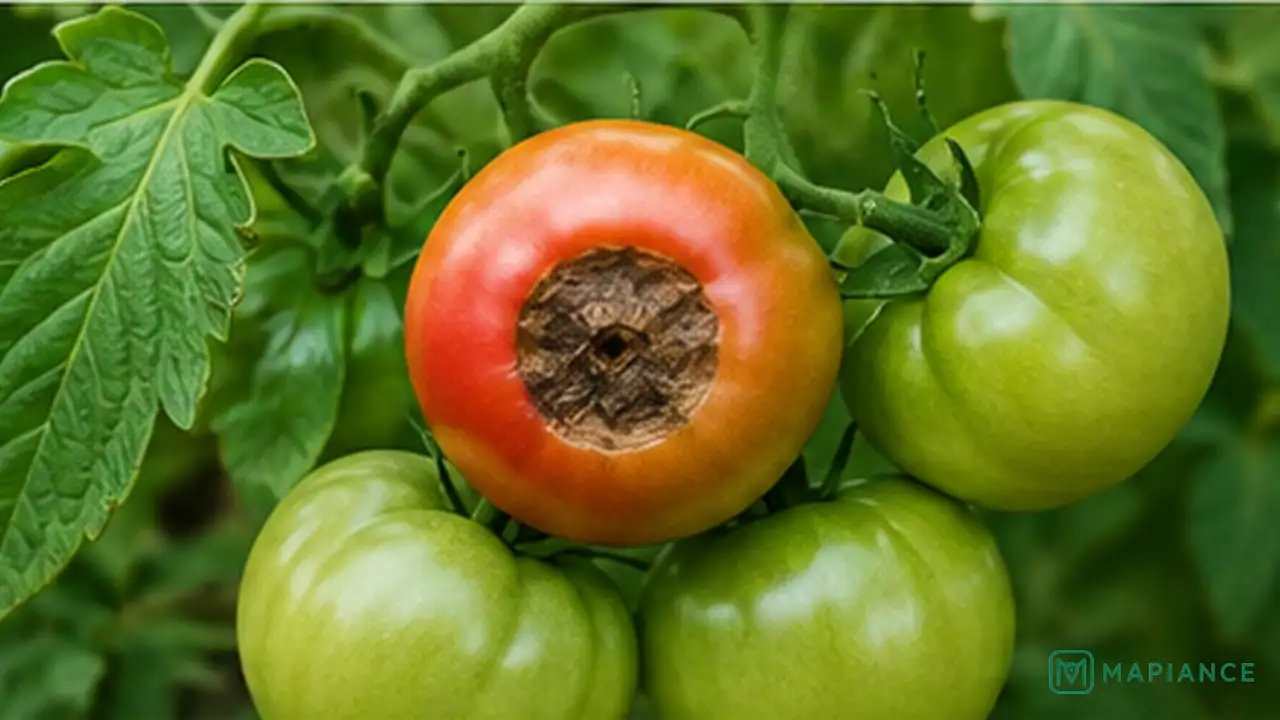
Remove badly damaged fruit
Pick tomatoes with large areas of blossom end rot so the plant can direct energy toward new fruit. A small affected area does not spread from fruit to fruit, but damaged tomatoes will not heal. Dispose of fruit that has become soft, moldy, or rotten.
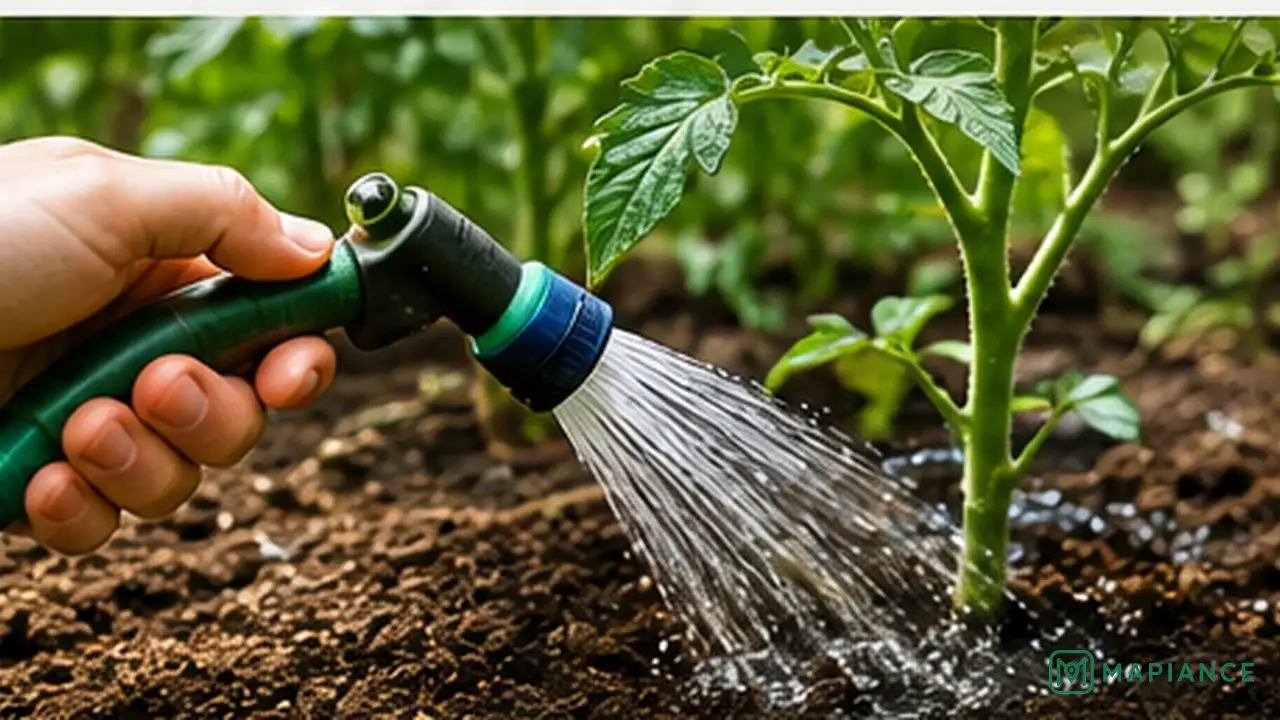
Keep the soil evenly moist
Water deeply enough to moisten the tomato root zone, then water again when the upper soil begins to dry instead of waiting until the plant wilts. Avoid cycles of very dry soil followed by heavy watering. Containers may need more frequent checks because they dry faster than garden beds. Water at the soil level when possible.
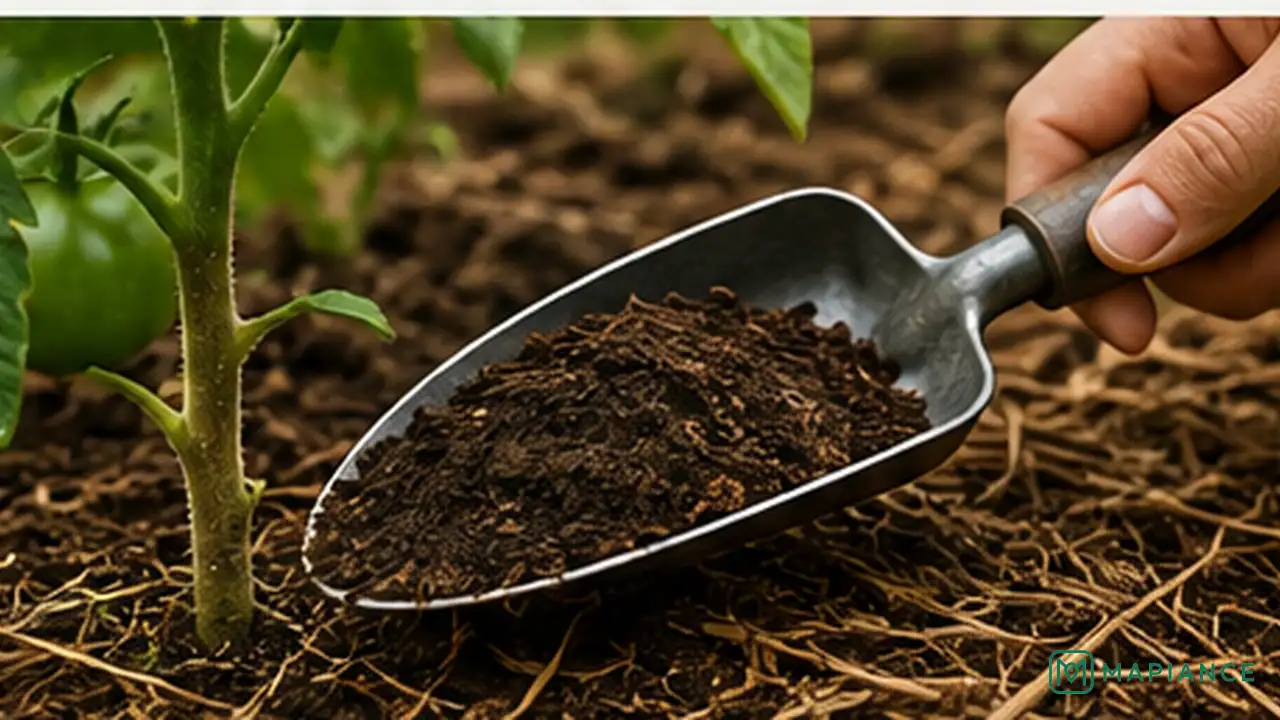
Add mulch and protect the roots
Spread a layer of organic mulch over the soil to slow moisture loss and reduce rapid moisture changes. Keep the mulch a short distance away from the main stem. Avoid deep cultivation, aggressive weeding, or digging close to the plant because damaged roots absorb water and nutrients less effectively.
Avoid excess fertilizer and unnecessary calcium
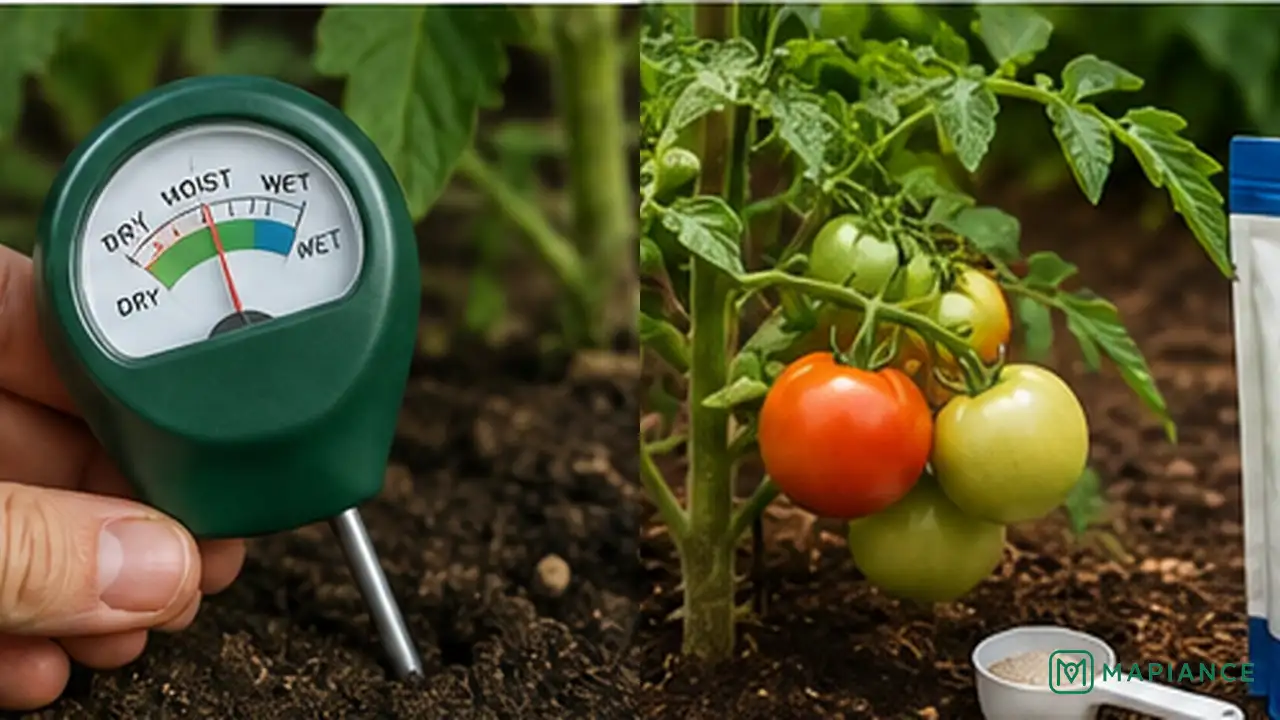
Do not add extra calcium automatically. Excess nitrogen or heavy fertilizing can push fast leafy growth and increase stress on developing fruit. If the problem continues despite consistent watering, test the soil and check its pH and calcium level before adding lime, gypsum, or another calcium product. Follow the soil-test recommendation rather than guessing.
Watch the next tomatoes for healthy growth
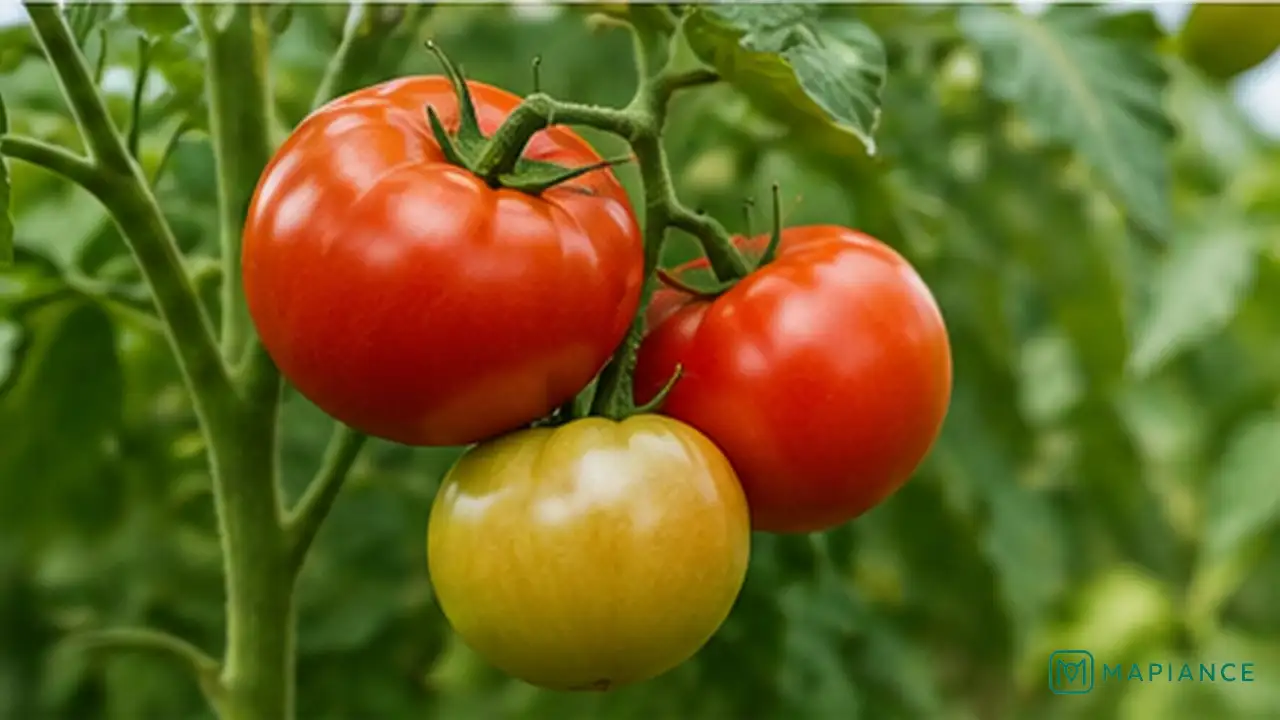
Keep watering and root conditions consistent while new fruit develops. Existing damaged areas will not disappear, so judge the repair by the next tomatoes the plant produces. If new fruit still develops blossom end rot, recheck irrigation, drainage, root health, and soil conditions. Persistent problems in a container may also improve after repotting into a larger container with fresh, well-draining mix.
Tips & common mistakes
Tips for best results
- Use drip irrigation or a soaker hose if possible because they make it easier to keep soil moisture consistent.
- Check container tomatoes frequently during hot or windy weather because potting mix can dry out quickly.
- Mulch after the soil has warmed to help slow evaporation and reduce moisture swings.
- If you use a fertilizer, follow the label and avoid repeated high-nitrogen feeding.
- Judge improvement by new fruit, because tomatoes already damaged by blossom end rot will not return to normal.
Common mistakes
- Adding calcium without checking the soil: Blossom end rot often happens even when the soil already contains enough calcium.
- Using Epsom salt as a calcium treatment: Epsom salt contains magnesium sulfate, not calcium, and unnecessary magnesium can interfere with nutrient balance.
- Letting plants wilt badly before watering: Large moisture swings can reduce calcium movement into developing fruit.
- Overfertilizing with nitrogen: Fast leafy growth can compete with fruit for water and nutrients.
- Digging deeply around established tomato roots: Root damage can make water and nutrient uptake less reliable.
Frequently asked questions
What causes blossom end rot on tomatoes?
It happens when developing fruit does not receive enough calcium at the right time. The most common trigger is inconsistent water supply or root stress that interferes with calcium movement into the fruit.
Can a tomato with blossom end rot recover?
The damaged part of an affected tomato will not heal, but the plant can produce healthy new tomatoes after moisture and root conditions improve.
Should I add calcium when tomatoes get blossom end rot?
Not automatically. Many soils already contain enough calcium. Stabilize watering first, and use a soil test before adding a calcium amendment.
Does Epsom salt fix blossom end rot?
No. Epsom salt supplies magnesium and sulfur, not calcium. It does not correct blossom end rot and can create nutrient imbalance when used unnecessarily.
Can overwatering cause blossom end rot?
Yes. Waterlogged roots can function poorly, while repeated swings between very wet and very dry soil can also interfere with calcium movement into developing tomatoes.
Written by Mapiance Editorial Team
The Mapiance Editorial Team researches, writes, reviews, and maintains practical guides and explainers for MAPIANCE.
Published Aug 27, 2026 · Updated Sep 9, 2026