 MAPI
MAPIHow to Fix Bread Dough That Won’t Rise
Bread dough rises when yeast produces gas inside a properly mixed dough. If the room is cold, the dough is stiff, the yeast is old, or ingredients were measured incorrectly, the rise can slow down or stop. Start with the least disruptive fixes first so you do not overwork dough that only needs more warmth or time.
Move the dough to a warm, draft-free place and give it more time. If it still does not rise, check whether the yeast was active and whether the dough is too dry or overloaded with salt or sugar. Mildly sluggish dough can often recover with warmth and patience, but dough made with dead yeast may need fresh yeast added or may need to be remade.
Things you'll need
- The prepared bread dough
- Clean bowl or container
- Clean kitchen towel or reusable cover
- Warm draft-free place
- Fresh yeast if the original yeast may have failed
- Small amount of flour or water if the dough texture needs correction
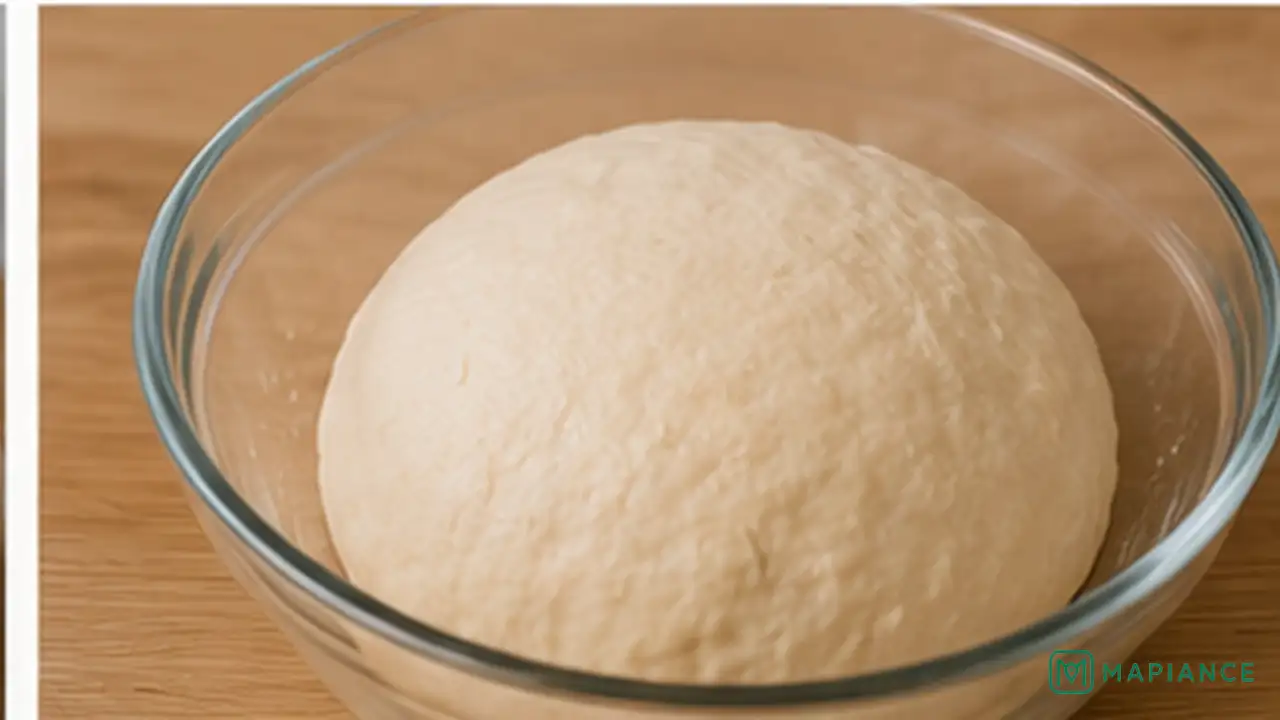
Give the dough more time
Check how long the dough has been proofing and how warm the room is. Dough can rise much more slowly in a cool kitchen, especially if it contains whole grains, butter, eggs, milk, or a high amount of sugar. Cover the bowl and wait longer before assuming the yeast has failed.
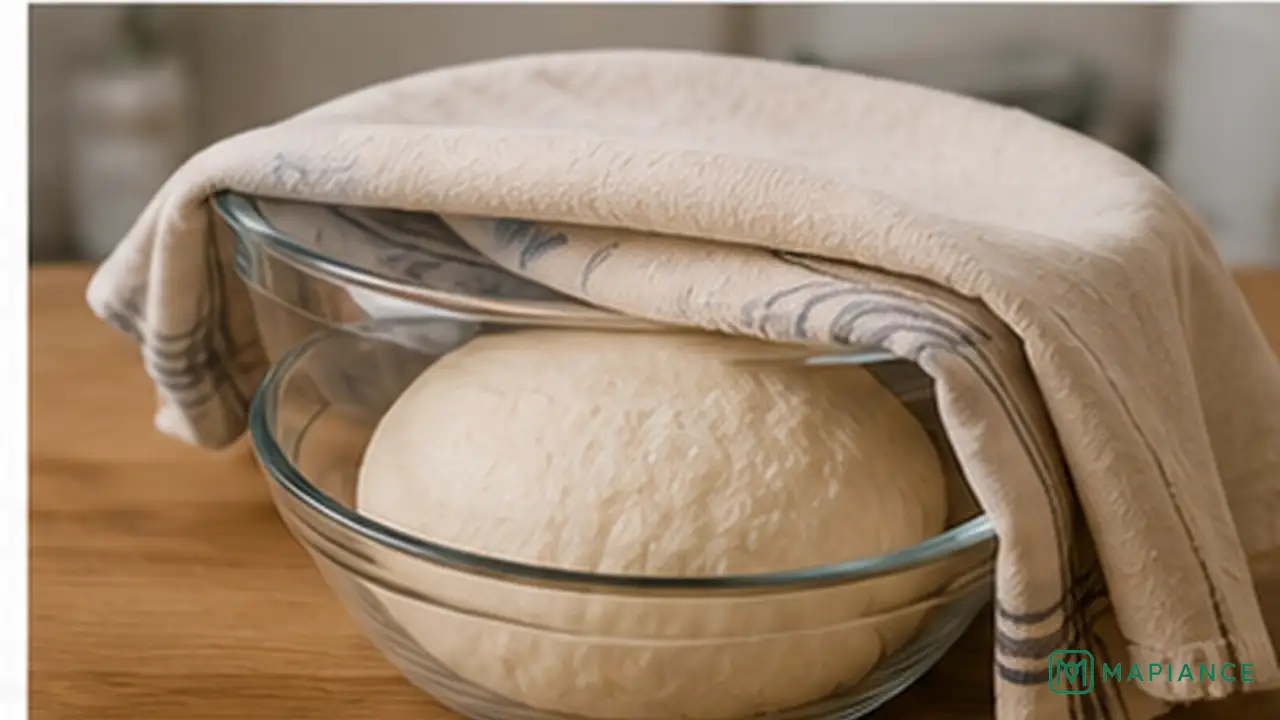
Move it to a warmer place
Place the covered dough in a comfortably warm, draft-free area. A slightly warm oven that is switched off, a microwave with a mug of hot water beside the bowl, or another warm part of the kitchen can help. The dough should feel gently warm, not hot, because excessive heat can damage the yeast.
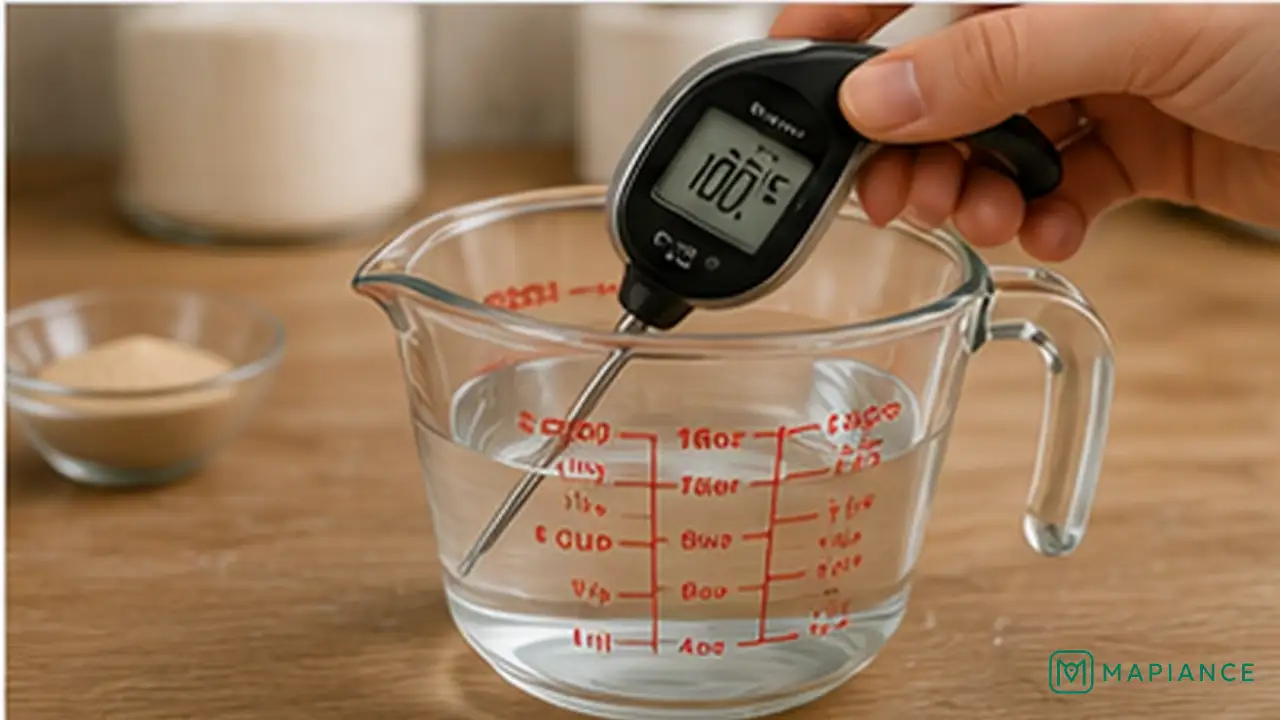
Check whether the yeast is active
If the dough still shows no change, test a small amount of fresh yeast separately according to the yeast package directions. Active yeast should produce visible bubbles or foam when tested under the right conditions. If the original yeast was expired, stored badly, or exposed to liquid that was too hot, it may no longer be able to raise the dough.
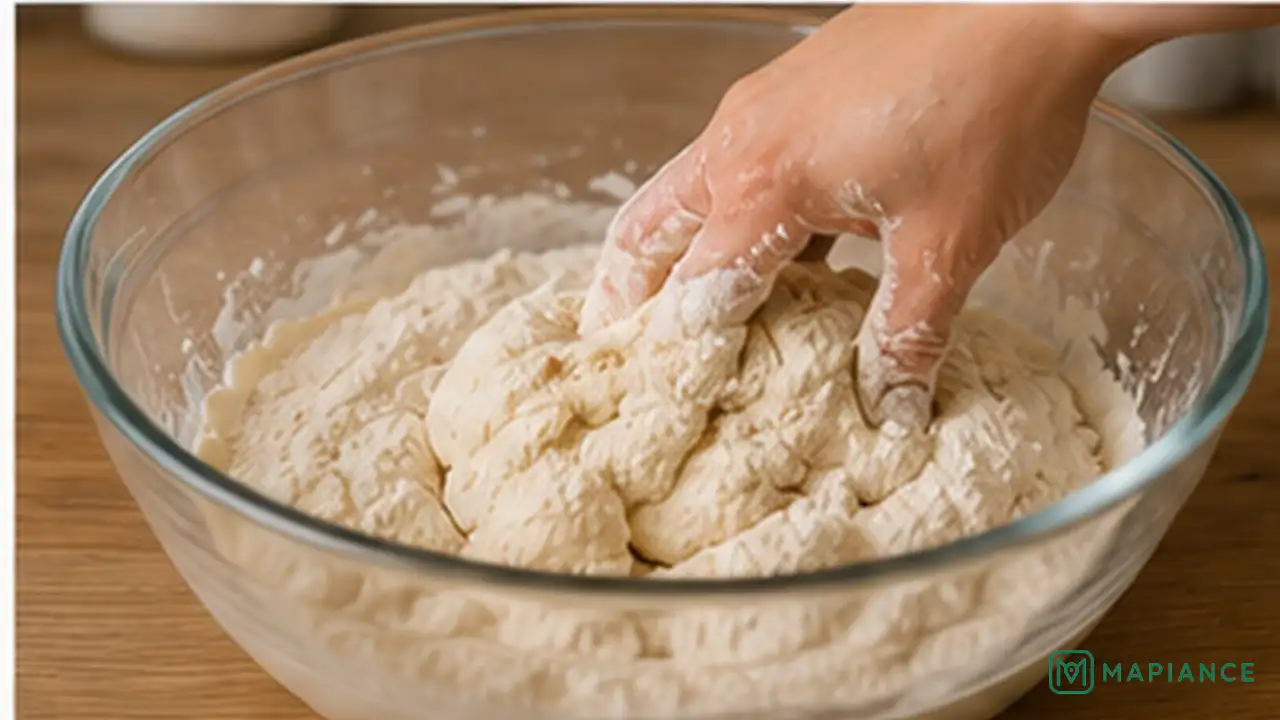
Correct dough that is too dry
Press the dough gently. If it is unusually stiff, cracked, and difficult to knead, it may contain too much flour. Knead in a very small amount of water at a time until the dough becomes smoother and more flexible. Avoid adding a large amount at once, because sticky dough can quickly become difficult to handle.
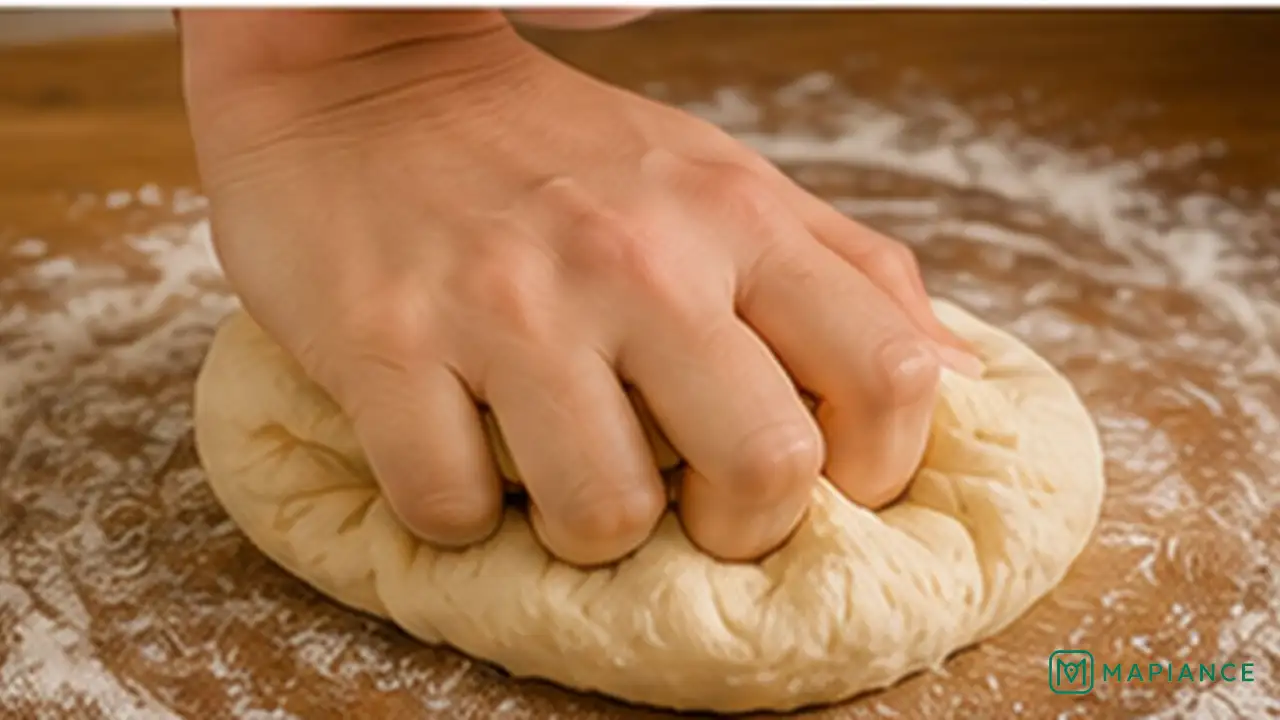
Add fresh yeast only if needed
If you are confident the original yeast is dead, prepare a small amount of fresh active yeast according to its package directions. Knead it gently into the dough with a little flour if needed to control stickiness, then cover the dough and let it proof again in a warm place. This rescue method can work, but the dough texture may change slightly.

Proof again and judge the result
Shape the dough into a smooth ball, place it in a clean bowl, cover it, and let it rise again in a warm place. Look for a clear increase in volume rather than relying only on a fixed number of minutes. If the dough still does not rise after fresh yeast, warmth, and enough time, starting over is usually more reliable than continuing to add ingredients.
Tips & common mistakes
Tips for best results
- Use yeast before its best-by date and store it according to the package directions.
- Measure flour by weight when possible because too much flour can make dough stiff and slow to rise.
- Keep salt in the recipe, but measure it accurately because excessive salt can slow yeast activity.
- Enriched doughs with butter, eggs, milk, or a lot of sugar often need more rising time than simple lean bread doughs.
- Judge proofing by how the dough changes in volume and feel, not only by the clock.
Common mistakes
- Putting dough in a very hot place: Too much heat can weaken or kill yeast instead of helping it rise.
- Adding large amounts of extra yeast without diagnosing the problem: Poor temperature or dough texture may still prevent a good rise.
- Adding too much flour while kneading: A stiff, dry dough can rise slowly and bake into a dense loaf.
- Assuming slow dough is dead after a short proof: Cool rooms and rich dough recipes often need more time.
- Continuing indefinitely with dough that never responds to fresh yeast and warmth: Starting over can produce a better loaf than repeatedly changing the dough.
Frequently asked questions
How long should I wait before deciding bread dough is not rising?
There is no single time for every dough. In a warm place, many doughs show a clear increase within one to two hours, but cool rooms and enriched doughs can take longer. Look for increasing volume rather than relying only on time.
Can I still bake bread dough that did not rise?
You can bake it, but the bread will usually be dense and heavy. If the yeast is dead, rescuing the dough with fresh active yeast or starting again usually gives a better result.
Can water that is too hot stop dough from rising?
Yes. Excessively hot liquid can damage or kill yeast. Use the temperature guidance on the yeast package or recipe instead of guessing.
Does too much flour stop bread dough from rising?
Too much flour can make the dough stiff and slow the expansion caused by yeast. If the dough is unusually dry and hard to knead, carefully adding a little water may help.
Why is my dough rising very slowly even though the yeast works?
The room may be cool, the dough may be stiff, or the recipe may contain ingredients such as sugar, fat, eggs, or whole grains that naturally slow fermentation.
Written by Mapiance Editorial Team
The Mapiance Editorial Team researches, writes, reviews, and maintains practical guides and explainers for MAPIANCE.
Published Aug 26, 2026 · Updated Sep 26, 2026