 MAPI
MAPIHow to Fix Compacted Soil in a Lawn
Compacted lawn soil has too little open space for air, water, and roots. Common signs include hard ground, water running off instead of soaking in, thin grass, shallow roots, and worn areas where people or equipment travel often. Core aeration is the main repair for an established lawn because it removes small plugs of soil and creates space in the root zone. The best results come from aerating at the right time, avoiding very wet soil, and correcting the traffic or drainage problem that caused the compaction.
Use a core aerator with hollow tines while the grass is actively growing and the soil is slightly moist, not waterlogged. Make several passes over compacted areas, leave the soil cores to break down, then topdress lightly with compost if appropriate and reduce heavy traffic on the lawn.
Things you'll need
- Core aerator with hollow tines
- Garden hose or irrigation system
- Marker flags for sprinkler heads and shallow obstacles
- Rake
- Screened compost for light topdressing if needed
- Grass seed suitable for the lawn if overseeding is appropriate
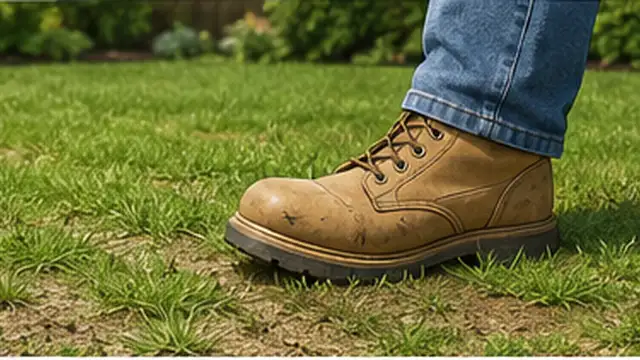
Confirm that compaction is the problem
Check the lawn for hard soil, thin grass, shallow roots, puddling, or water that runs off instead of soaking in. Compaction is often strongest along paths, play areas, mower routes, and other high-traffic spots. If the lawn stays wet because of a drainage problem or has a thick thatch layer, address that issue too because aeration alone may not solve it.
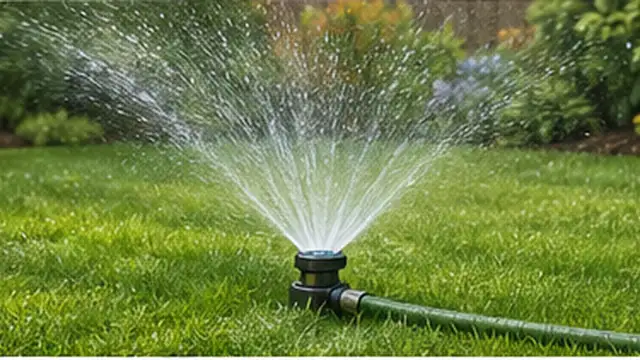
Choose the right time and prepare the lawn
Aerate when the grass is actively growing so it can recover quickly. Cool-season lawns are commonly aerated in early to mid-spring or late summer to early fall, while warm-season lawns are best aerated after they are fully green and actively growing in late spring or summer. Water dry soil before aerating so it is slightly moist, but wait if the ground is muddy or saturated. Mark sprinkler heads and other shallow obstacles before you begin.
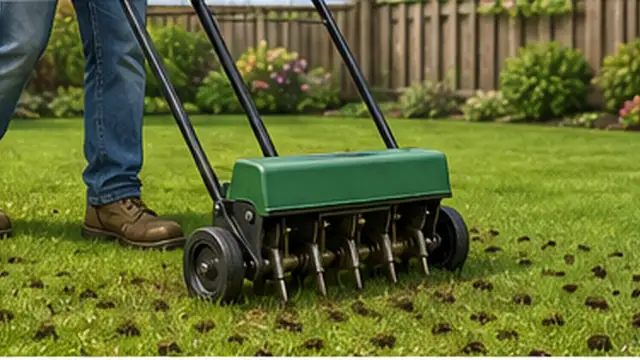
Aerate with hollow tines
Use a core aerator that removes plugs of soil rather than a simple spike tool. Run it over the compacted lawn in several passes, changing direction so the holes are distributed across the area. Focus extra passes on heavily used sections. The goal is to create many openings through the compacted surface without tearing up the lawn.
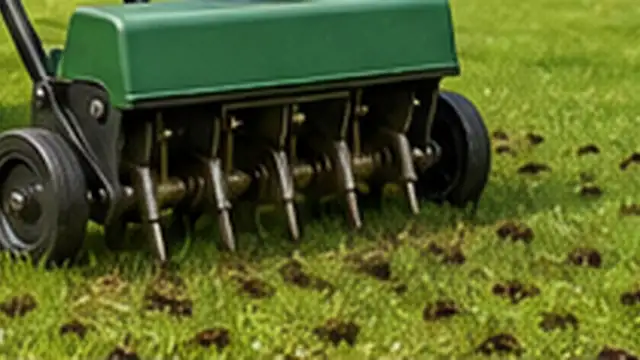
Leave the soil cores to break down
Leave the plugs on the lawn unless you have a specific reason to remove them. As they dry, they crumble back into the turf and return soil to the surface. You can gently rake dry cores to help break them apart, but there is no need to collect every plug.
Topdress lightly and overseed if needed
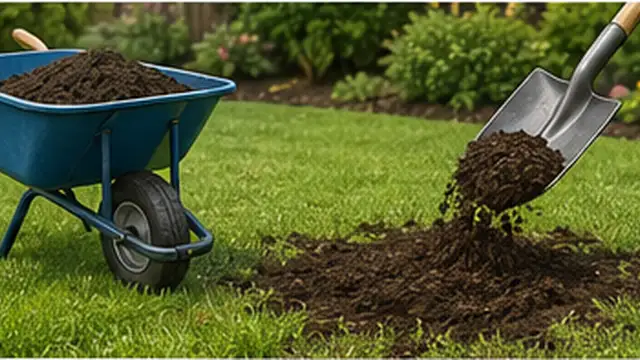
If the soil is low in organic matter, spread a thin layer of screened compost over the aerated lawn so some material works into the holes. Do not bury the grass under a thick layer. Thin or bare areas can also be overseeded when the timing is suitable for your grass type. Apply fertilizer or lime only when a soil test or lawn-care plan shows that it is needed.
Prevent the soil from compacting again
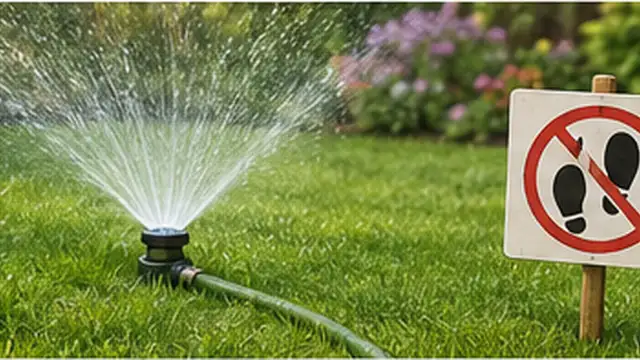
Keep heavy traffic off wet soil, vary mower routes, and use stepping stones or a path where people regularly cross the lawn. Water at a rate the soil can absorb instead of creating runoff. Lawns that receive heavy use may need core aeration regularly, while lightly used lawns may need it much less often. Recheck the soil and grass rather than aerating automatically on a fixed schedule.
Tips & common mistakes
Tips for best results
- Aerator tines penetrate better when the soil is moist enough to form a plug but not so wet that it smears or turns muddy.
- Several passes with a core aerator are usually more useful on compacted soil than one fast pass.
- Leave soil cores on the lawn and let weather, irrigation, and mowing gradually break them down.
- Use a soil test before adding lime or large amounts of fertilizer; compaction is a physical soil problem, not automatically a nutrient problem.
- If one small route is always compacted, a permanent path may protect the lawn better than repeated repair.
Common mistakes
- Using spike shoes as the main repair: Spikes make holes but do not remove soil plugs, so they do much less to relieve serious compaction.
- Aerating waterlogged soil: Very wet soil can smear and deform instead of breaking into useful cores.
- Aerating dormant or severely stressed grass: The lawn recovers more slowly when roots are not actively growing.
- Applying a thick layer of compost: Heavy topdressing can bury grass blades and create a new surface problem.
- Ignoring the cause of compaction: Repeated foot traffic, vehicles, mower patterns, or poor drainage can quickly recreate the problem.
Frequently asked questions
How can I tell if my lawn soil is compacted?
Common signs include hard ground, shallow roots, thin turf, standing water, slow infiltration, and worn areas where people or equipment travel repeatedly.
Is core aeration better than spike aeration?
Yes for relieving compaction. A core aerator removes small plugs of soil and creates space in the root zone, while solid spikes mainly push soil aside.
Should I remove the soil plugs after aerating?
Usually no. Let the cores dry and break down on the lawn. They return soil to the surface and can be gently raked after drying.
Can I add compost after aerating?
Yes. A thin layer of screened compost can work into the aeration holes and add organic matter. Keep the layer light enough that the grass remains visible.
How often should I aerate a compacted lawn?
It depends on soil type and traffic. Heavily used lawns may benefit from regular aeration, while lawns with little compaction may need it only occasionally. Aerate based on symptoms rather than automatically.
Written by Mapiance Editorial Team
The Mapiance Editorial Team researches, writes, reviews, and maintains practical guides and explainers for MAPIANCE.
Published Aug 24, 2026 · Updated Sep 8, 2026