 MAPI
MAPIHow to Fix Cracking Acrylic Paint on Canvas
Acrylic paint can crack when thick layers dry unevenly, when the paint film is weak, or when a flexible canvas bends under a rigid or heavy paint layer. Minor stable cracks can sometimes be made less visible, but a crack is a sign that the paint film has already been stressed. The repair should therefore focus on stability first, appearance second, and prevention of more flexing or overly thick applications.
If the cracked paint is still firmly attached, let the painting dry completely, remove loose dust, fill shallow cracks with a compatible acrylic medium or flexible acrylic product, and repaint in thin layers. If paint is lifting or flaking from the canvas, do not scrape or glue it down yourself; valuable or badly damaged work is safer with a professional conservator.
Things you'll need
- Soft clean brush
- Lint-free cloth
- Compatible acrylic medium or flexible acrylic gel for shallow stable cracks
- Matching acrylic paint
- Small soft paintbrush
- Rigid backing board or stable support if the canvas flexes excessively
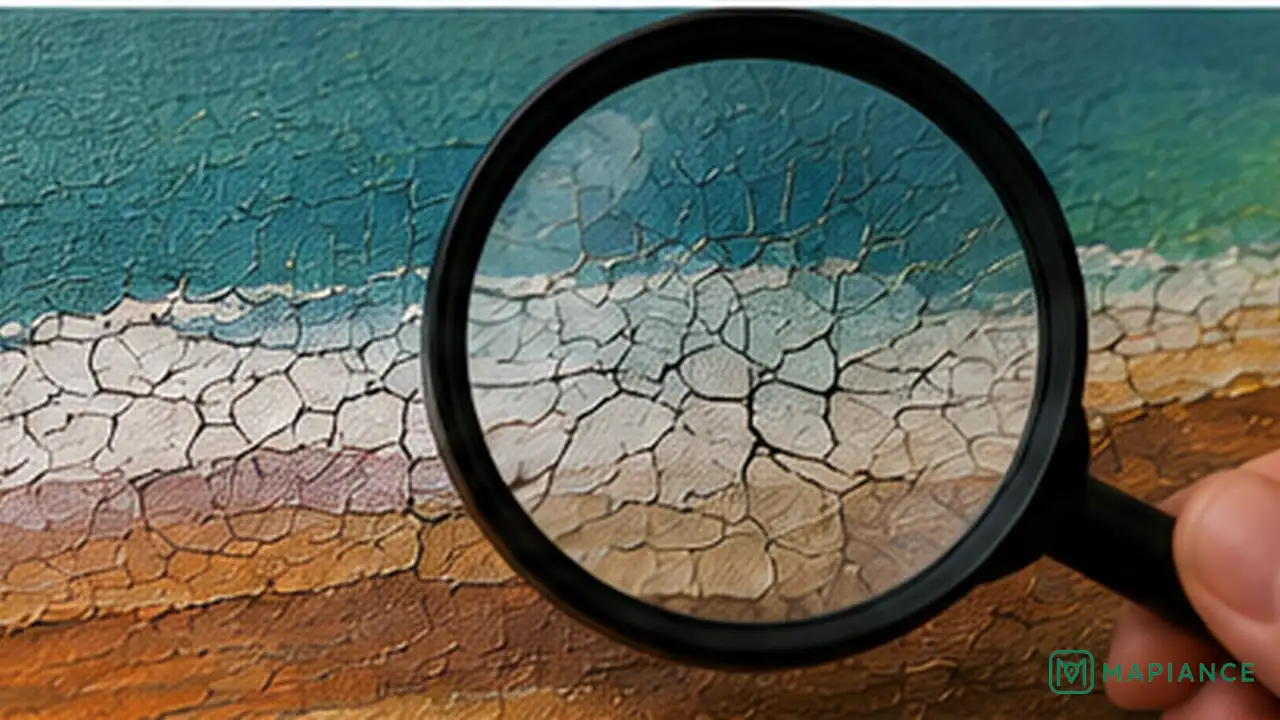
Check whether the paint is stable
Look closely at the cracked area without bending the canvas. If the paint is still firmly attached and only shows narrow surface cracks, a careful cosmetic repair may be possible. If edges are lifting, flakes are loose, or paint falls away when the canvas moves, stop handling the area. Fragile or valuable paintings should be assessed by a professional conservator.
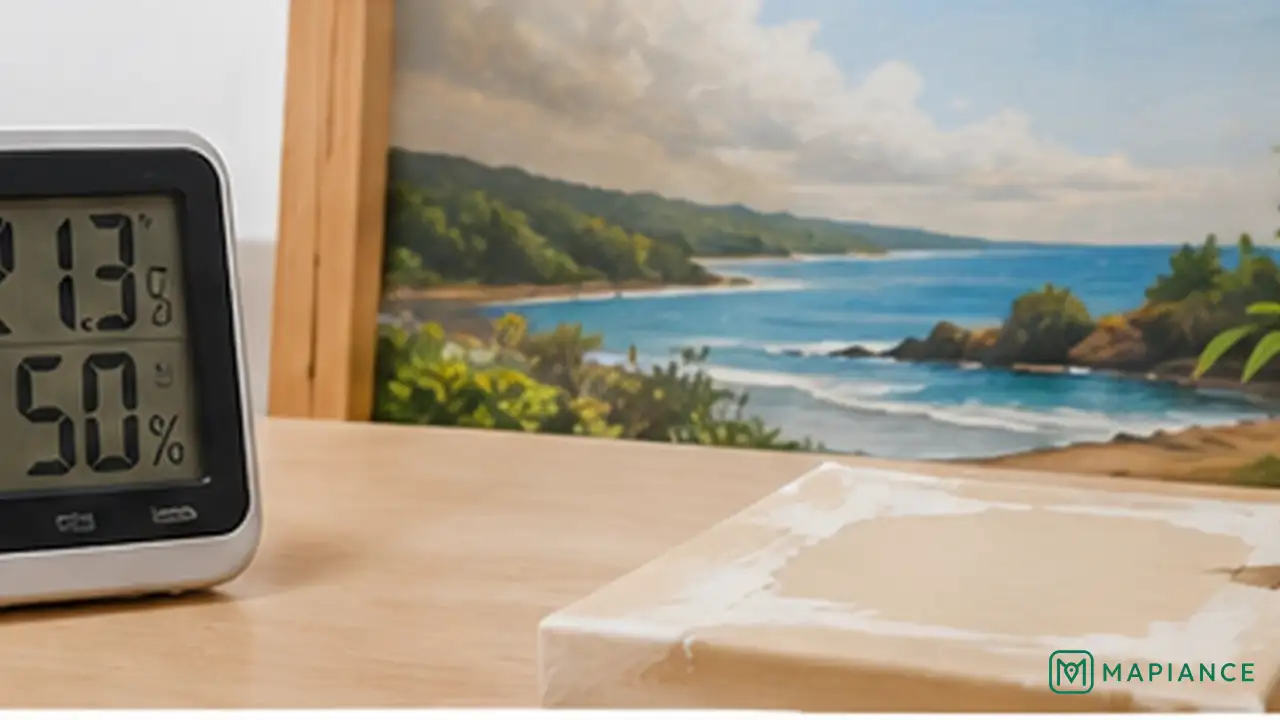
Let the painting dry completely
Do not repair acrylic paint that is still curing underneath. Thick acrylic applications can stay soft internally longer than the surface suggests, and thicker layers are more prone to cracking as they dry. Place the painting flat or upright in a clean, stable indoor environment and allow it to dry fully before adding more material.
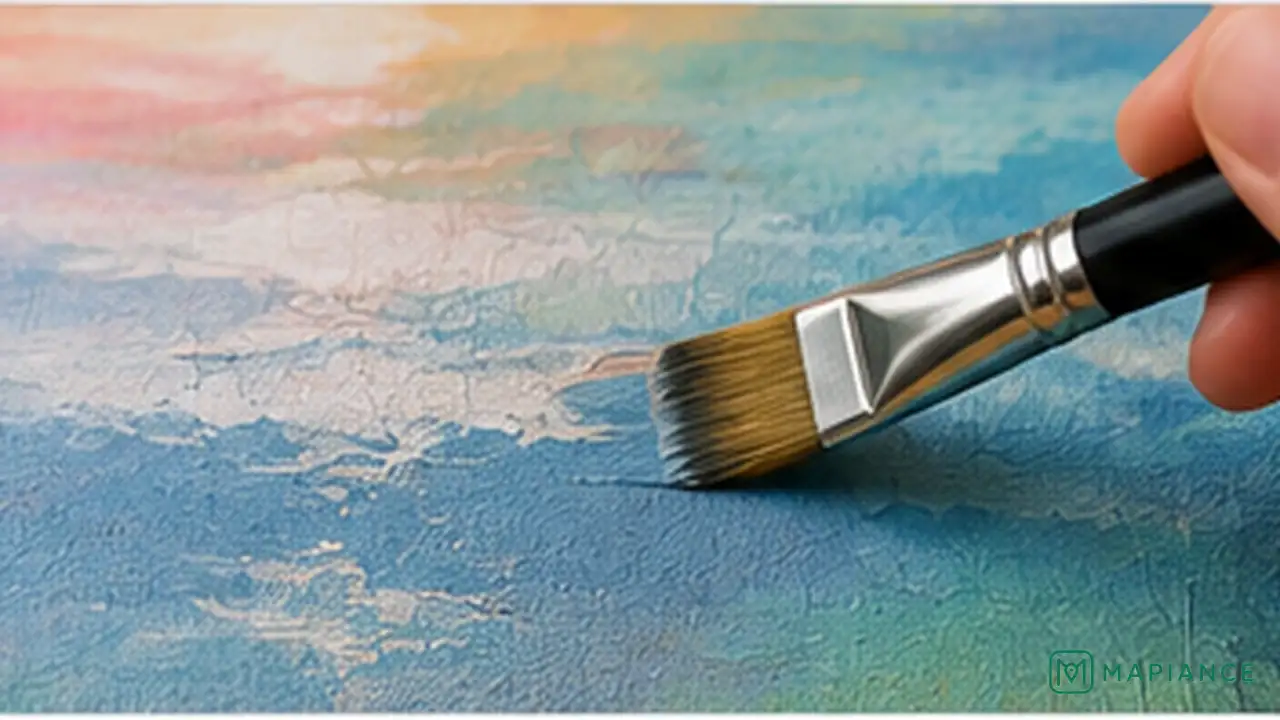
Clean the cracked area gently
Use a clean, soft, dry brush to remove loose surface dust around the crack. Do not scrub, soak, or scrape the paint. Avoid pushing on the canvas from the front or back because flexing can widen existing cracks or loosen their edges.
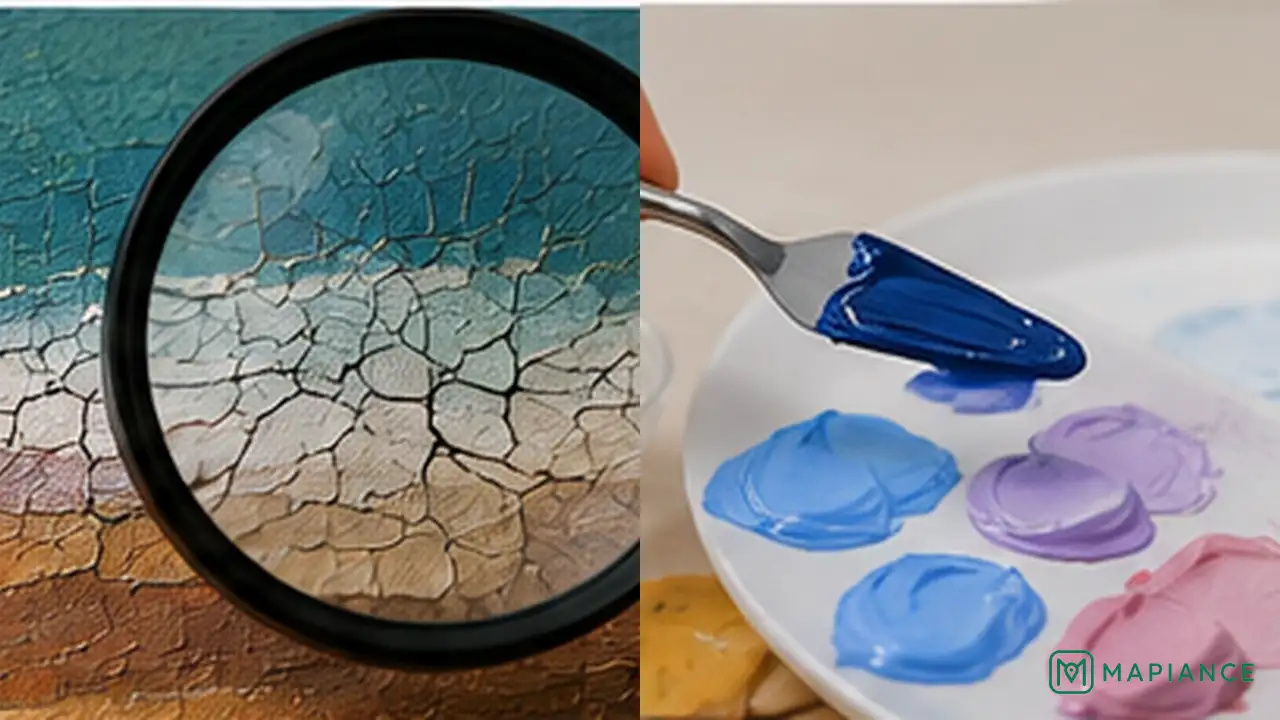
Fill only shallow stable cracks
For a minor crack where the surrounding paint is secure, apply a very small amount of compatible acrylic medium or flexible acrylic gel into the gap with a fine brush. Keep the repair level with the surrounding surface instead of building a thick mound. Let the fill dry completely. Do not use household glue, rigid filler, or heavy modeling paste on a flexible canvas repair.
Repaint in thin flexible layers
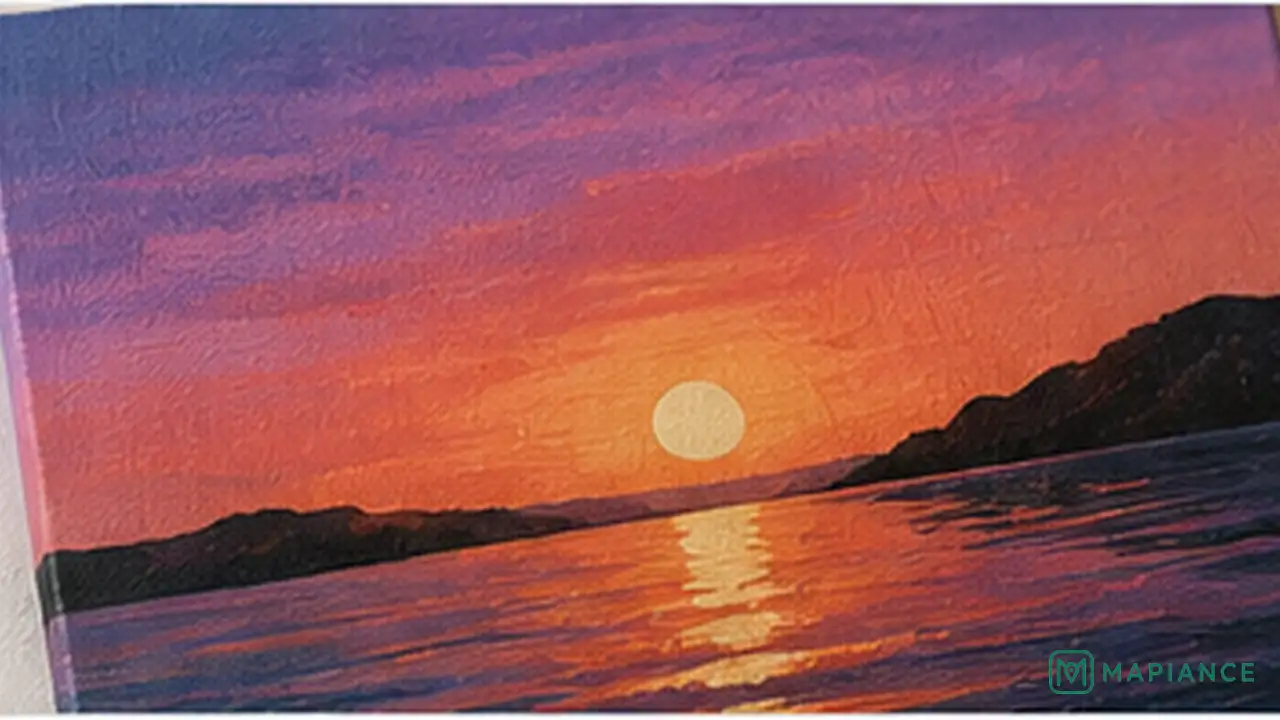
Once the repair is dry, match the surrounding color and apply acrylic paint in thin layers. Let each layer dry before adding the next. Build the color gradually rather than covering the crack with one heavy coat, because thick applications are more likely to develop drying stress and crack again.
Reduce flexing and prevent new cracks
Keep the finished canvas from bending, folding, or being pressed from behind. If the support is very flexible, add suitable rigid backing or improve how the canvas is supported without forcing the painted surface. For future paintings, prepare the surface properly, use compatible acrylic materials, avoid excessive unsupported thickness, and build heavy effects with products designed for that purpose.
Tips & common mistakes
Tips for best results
- Use several thinner acrylic layers instead of one very thick unsupported paint layer when possible.
- Choose acrylic gels or mediums designed for thick applications when you want heavy texture.
- Let underlying layers dry sufficiently before covering them with more acrylic paint.
- Avoid rolling or flexing finished acrylic paintings, especially in cold conditions when the paint film can become more brittle.
- Test unfamiliar grounds, mediums, and surfaces before using them in an important painting.
Common mistakes
- Painting heavily over a crack without checking whether the original paint is loose: The new layer can crack or detach with the unstable paint underneath.
- Using rigid household filler on flexible canvas: A rigid patch can respond differently when the canvas moves and may crack again.
- Scraping away lifting paint: Loose original paint can be lost permanently and the damaged area can become larger.
- Adding very thick acrylic paint to hide the repair: Thick applications dry more slowly and are more prone to cracking.
- Rolling or bending a cracked canvas: Movement can widen cracks and loosen paint, especially when acrylic is cold.
Frequently asked questions
Why is my acrylic paint cracking on canvas?
Common causes include very thick paint layers, uneven drying, weak or incompatible paint mixtures, poor surface preparation, and movement of a flexible canvas under a comparatively rigid paint layer.
Can cracked acrylic paint be completely repaired?
Minor stable cracks can often be filled and visually reduced, but the original paint film has already been stressed. Severe cracking, lifting, or flaking may need professional conservation rather than a simple cosmetic repair.
Can I just paint over cracks in acrylic paint?
Not if the cracked layer is loose or unstable. New paint will not make a failing layer secure. Check stability first, then fill only shallow stable gaps and repaint in thin layers.
Does thick acrylic paint crack more easily?
It can. Thick applications contain more water and take longer to dry, and manufacturers such as Golden note that thicker acrylic layers are more prone to cracking as they dry.
Should I varnish immediately after repairing cracked acrylic paint?
No. Let the repaired paint dry thoroughly first. If you plan to varnish, follow the drying and varnishing instructions for the specific acrylic system you are using.
Written by Mapiance Editorial Team
The Mapiance Editorial Team researches, writes, reviews, and maintains practical guides and explainers for MAPIANCE.
Published Aug 26, 2026 · Updated Sep 13, 2026