 MAPI
MAPIHow to Fix Crochet That Keeps Curling
Crochet can curl when the starting chain is tighter than the rows above it, when stitches are accidentally added or skipped, or when the stitch pattern naturally pulls the fabric inward. The best fix depends on when the curling starts and how severe it is. Check the foundation edge, stitch count, and tension before undoing large sections of work.
If your crochet keeps curling, first check whether the foundation chain is too tight or the stitch count is changing. Loosen your tension if needed, correct any increases or decreases, then block the piece when the fabric is finished or large enough to hold its shape.
Things you'll need
- Crochet hook
- Matching yarn
- Stitch markers
- Tape measure or ruler
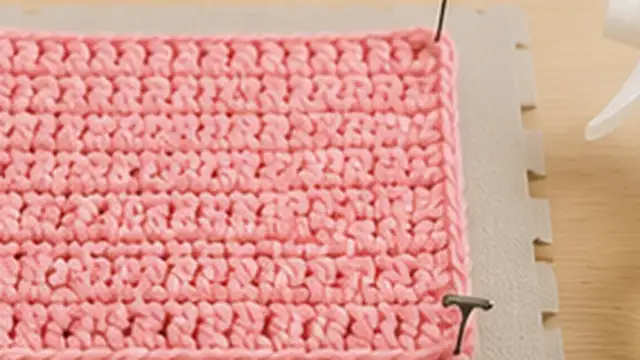
- Blocking mat and rust-resistant pins if blocking is needed
- Spray bottle or clean water if your yarn can be wet blocked
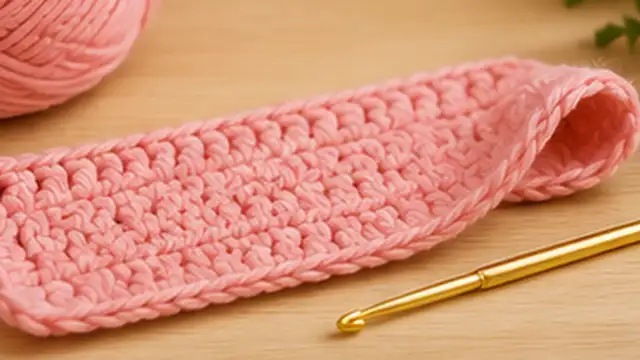
Find where the curling starts
Lay the crochet piece on a flat surface and look at the direction of the curl. If only the starting edge pulls upward or inward, the foundation chain may be too tight. If the sides curve or the whole piece cups, count the stitches in several rows and compare them with the pattern.
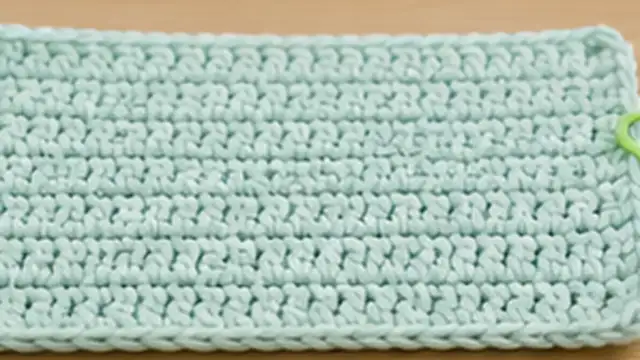
Check the foundation chain
Compare the width of the starting chain with the rows above it. If the chain is noticeably shorter and pulls the bottom edge into a curve, it was probably made too tightly. For a project that has only just begun, the cleanest fix is often to restart with a larger hook for the foundation chain or make the chain with looser tension.
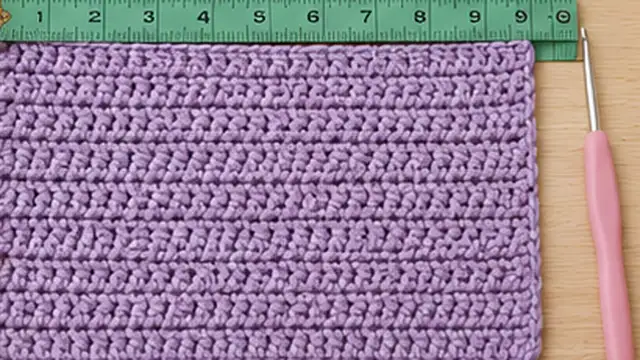
Count the stitches
Count the stitches across the current row and compare the total with the pattern or your intended width. Accidental increases can make the fabric flare, while missed stitches can pull it inward. Place a stitch marker in the first and last stitch of each row if you keep losing the edges.
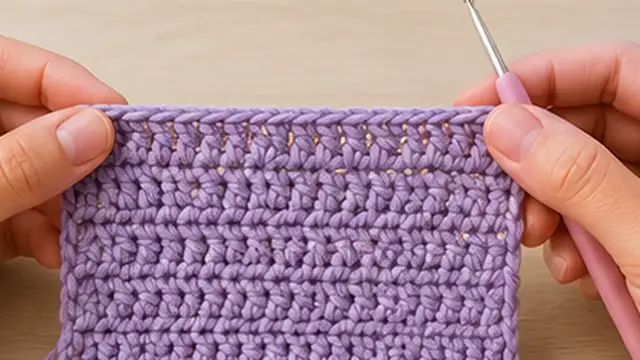
Relax your stitch tension
If the stitch count is correct but the fabric feels stiff and keeps rolling, work a short test row with slightly looser tension. Keep the yarn moving smoothly through your fingers instead of pulling each stitch tight around the hook. If your tension is consistently firm, moving up one hook size may help the fabric relax.
Block the finished fabric
If the stitch count and tension are correct, the curl may simply come from the stitch pattern or yarn. Block the piece using a method suitable for the fiber: pin it to the correct shape, gently dampen or steam it only if the yarn care instructions allow, and leave it undisturbed until completely dry. Blocking can relax mild curling but will not permanently fix a severely tight foundation chain.
Tips & common mistakes
Tips for best results
- Use a larger hook only for the foundation chain if your chains are regularly tighter than your stitches.
- Place stitch markers at both row edges when working back and forth so the first and last stitches are easier to identify.
- Make a small swatch before starting a large project if the stitch pattern is known to curl.
- Check the yarn label before wet blocking or steaming because different fibers respond differently to heat and moisture.
- A border can help stabilize mild edge curling after the main fabric is complete, but it should not be used to hide major stitch-count errors.
Common mistakes
- Trying to block a very tight foundation chain flat: Blocking may improve the shape temporarily, but a severely tight starting edge usually needs to be redone.
- Adding random stitches to force the fabric flat: Extra stitches can create waves and make the shape harder to correct.
- Changing hook size in the middle of the project without testing: A sudden gauge change can make one section wider or looser than the rest.
- Pulling each stitch tightly around the hook: This creates dense fabric and can increase curling.
- Using high heat on synthetic yarn: Excessive heat can permanently damage or melt some fibers, so follow the yarn care instructions.
Frequently asked questions
Why does my crochet curl at the bottom?
The foundation chain is often tighter than the rows above it. If the project is still small, restarting with a looser chain or a slightly larger hook for the chain usually gives a flatter edge.
Will crochet curling go away on its own?
Mild curling can lessen as the project becomes larger and heavier, especially with certain stitch patterns. Strong curling caused by a tight chain, incorrect stitch count, or very tight tension usually needs correction.
Can blocking fix curling crochet?
Blocking can flatten mild curling and improve the final shape when the stitch count and tension are basically correct. It cannot fully correct major construction problems such as a very tight foundation chain.
Why is my crochet turning into a bowl shape?
A cupped or bowl-shaped piece often means there are too few stitches for the intended shape, the tension is too tight, or increases were missed. Count the stitches and compare them with the pattern.
Why are the edges of my crochet wavy instead of curled?
Wavy edges often come from too many stitches, extra stitches at row ends, or a border with too many stitches. Check the row count and use stitch markers to keep the edges consistent.
Written by Mapiance Editorial Team
The Mapiance Editorial Team researches, writes, reviews, and maintains practical guides and explainers for MAPIANCE.
Published Aug 22, 2026 · Updated Sep 9, 2026