 MAPI
MAPIHow to Fix Knitting That’s Too Tight
Knitting usually feels too tight when the loops are formed smaller than the needle is meant to make them. The fabric may feel stiff, the stitches may be hard to slide, and your gauge may contain too many stitches for the pattern. Small tension problems can improve with technique or blocking, but a project that is consistently too small often needs a larger needle or some re-knitting.
Check your stitch gauge first. If you have more stitches per inch or centimetre than the pattern requires, loosen how you form each stitch or move up one needle size. Keep new stitches on the full shaft of the needle instead of tightening them at the tip, and redo a very tight cast-on or badly undersized section rather than trying to stretch it later.
Things you'll need
- Your knitting project and working yarn
- Needles in the current size
- One larger needle size if needed
- Ruler or measuring tape
- Blocking supplies suitable for the yarn, if needed
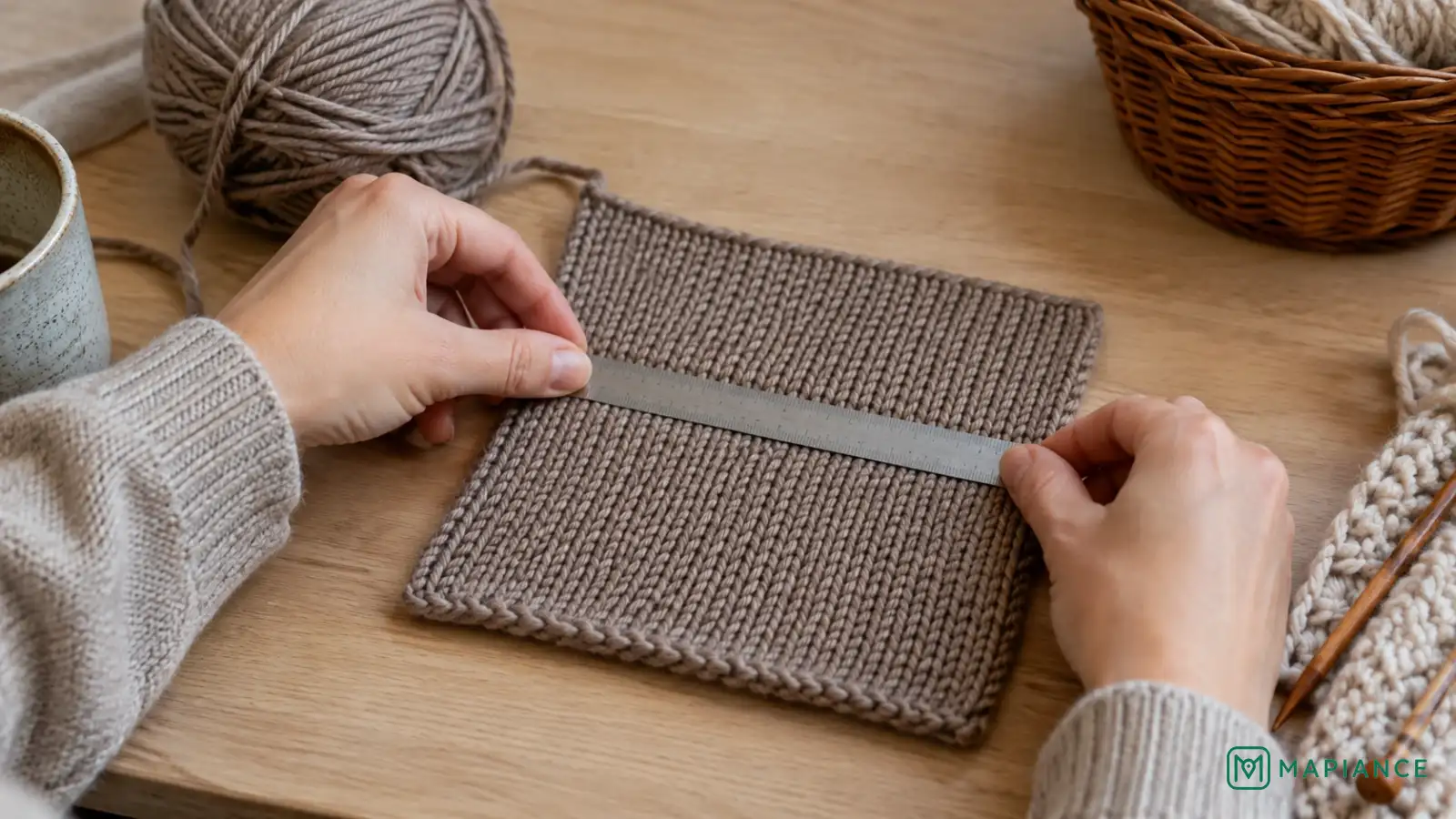
Check Your Gauge
Lay the knitting flat without stretching it and measure the number of stitches across a known width, such as 10 cm or 4 inches. Compare that number with the pattern gauge. If you have more stitches in the same width, your knitting is tighter than the pattern expects. Also notice whether the stitches are difficult to slide along the needle or whether the fabric feels unusually stiff, because those signs point to the same problem.
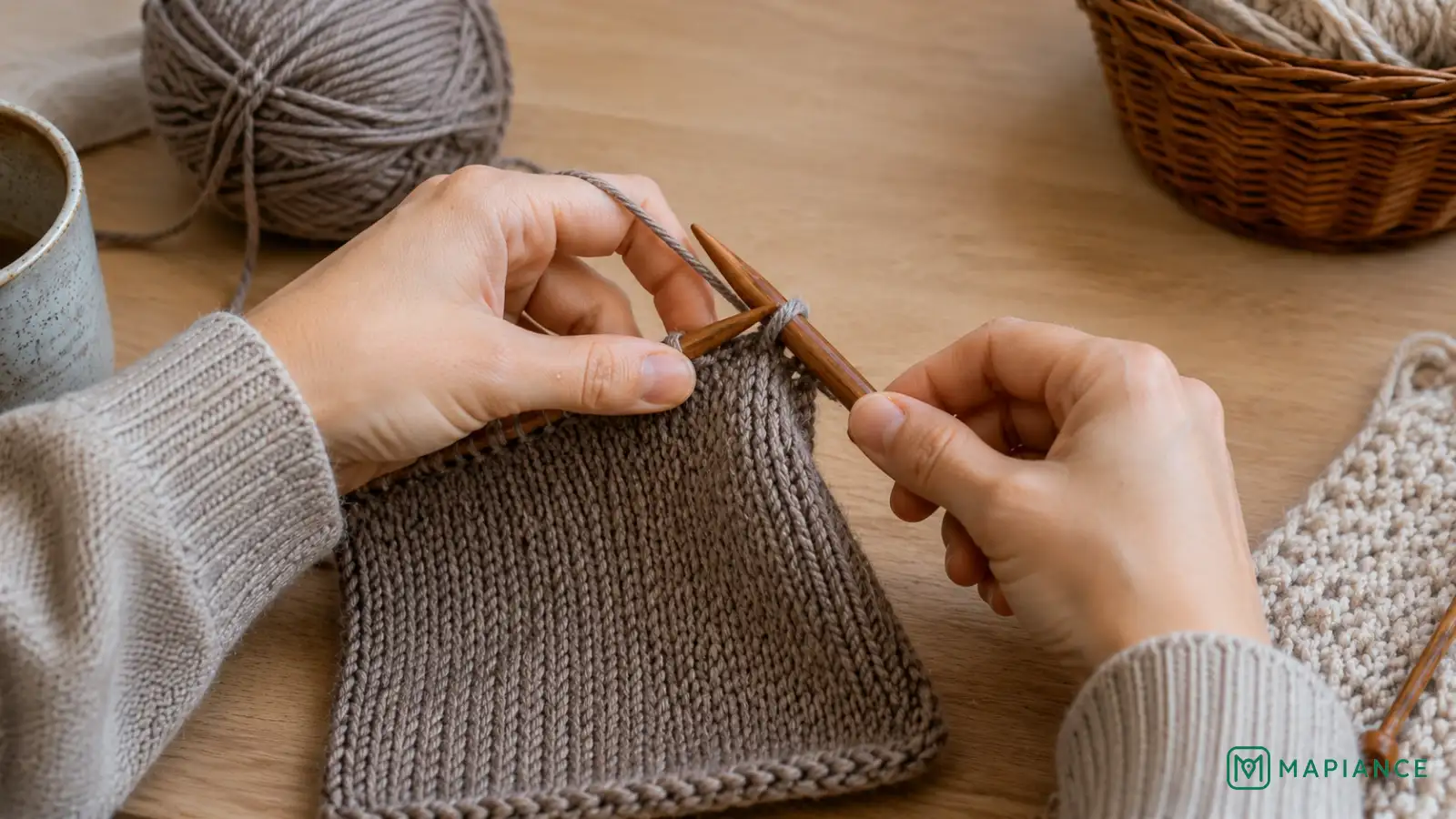
Form Stitches on the Needle Shaft
When you make each new stitch, slide it onto the full-width part of the needle before tightening the yarn. Avoid forming tiny loops only around the narrow needle tip and then pulling them snug. Let the needle diameter set the loop size. The stitches should move along the needle with light resistance instead of needing to be pushed or pulled hard.
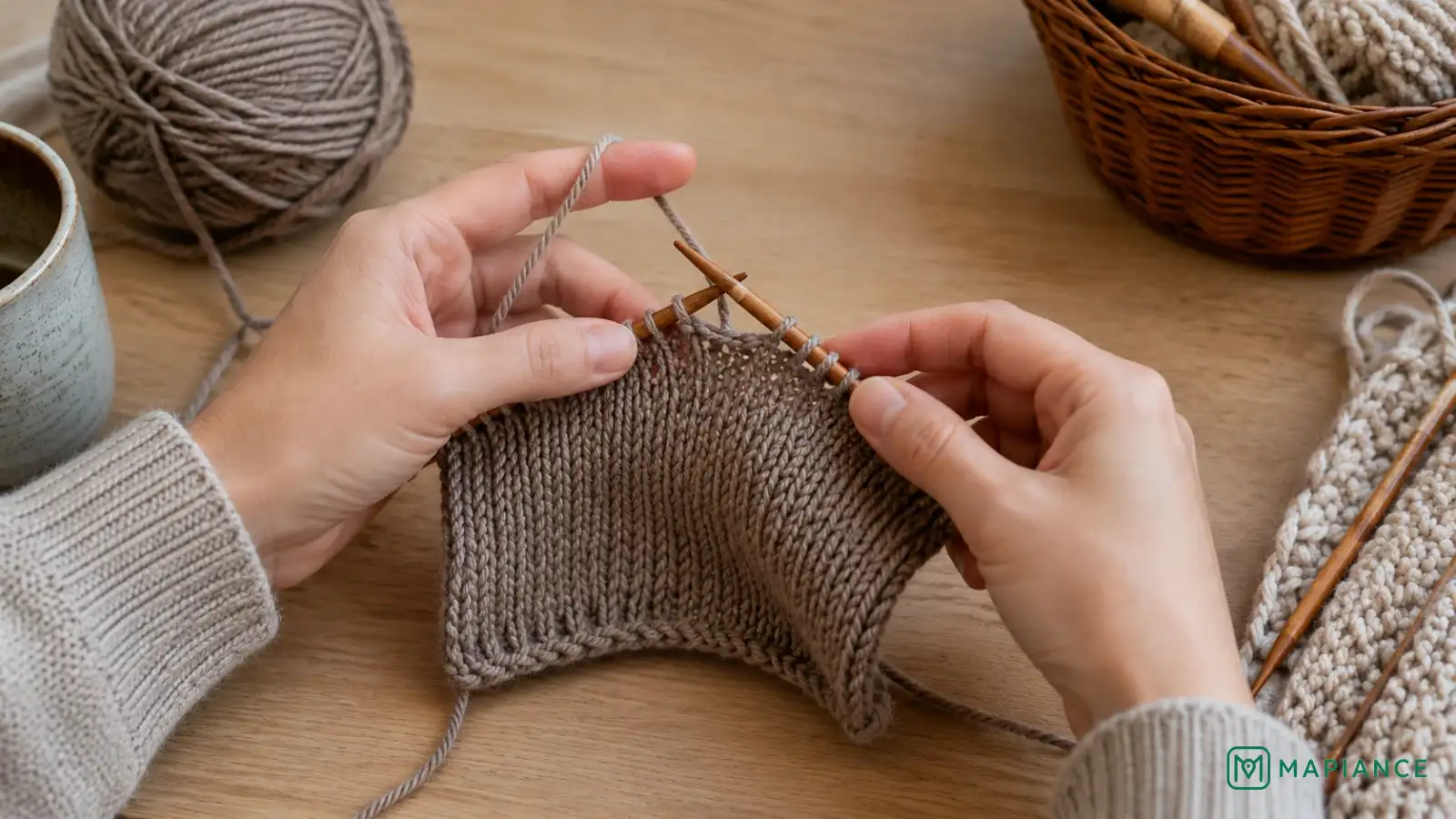
Relax Your Yarn Tension
Loosen your grip on both needles and let the working yarn glide through your fingers instead of pulling it firmly after every stitch. Keep enough control to make even loops, but do not tug the yarn to tighten the previous stitch. Knit several rows slowly and check whether the new stitches slide more easily. If your hands begin to squeeze the needles again, stop briefly and reset your grip.
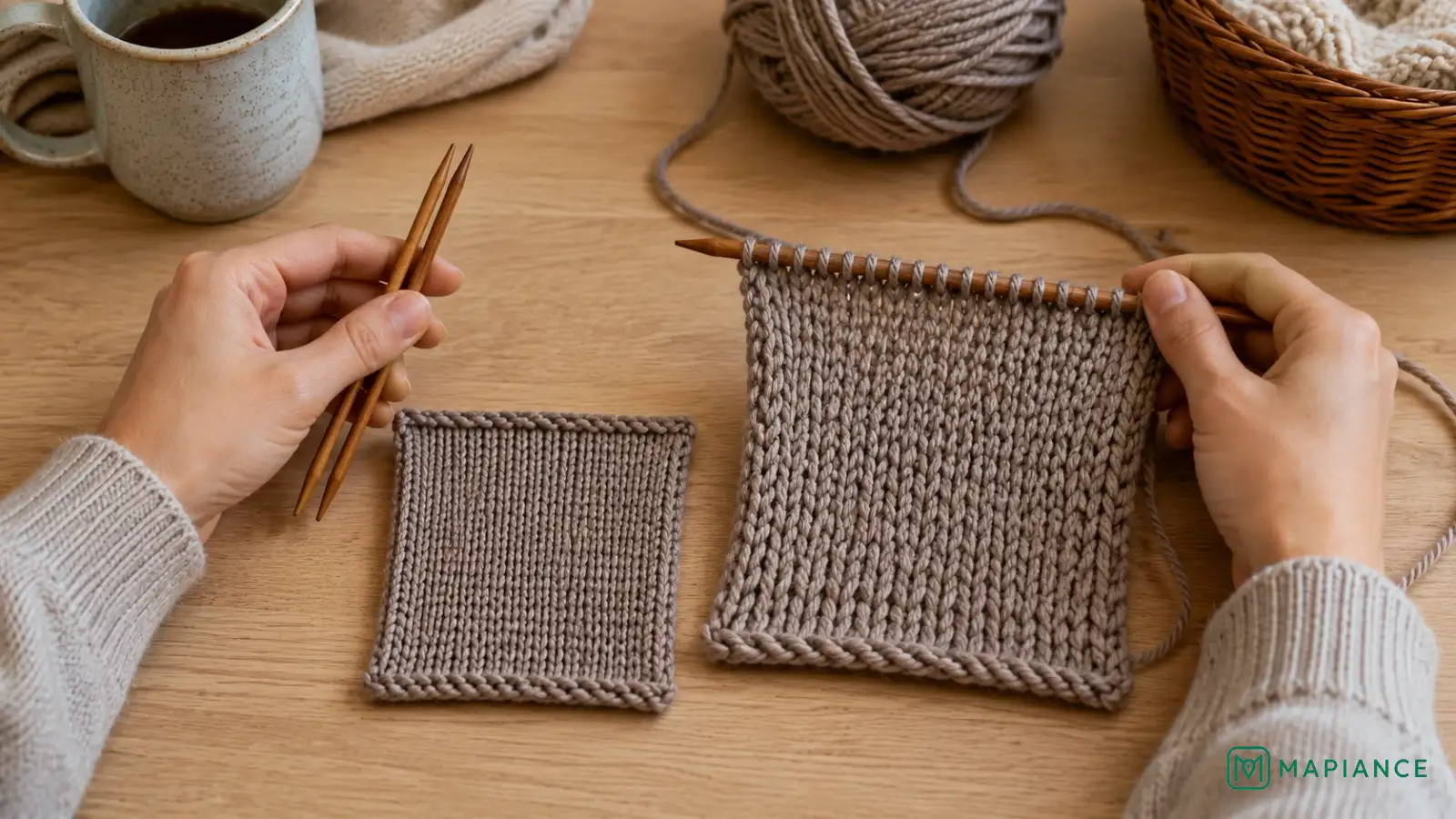
Try a Larger Needle
If your technique feels comfortable but the gauge is still too tight, move up one needle size and knit a fresh swatch or several test rows. Measure again after the stitches have settled. Keep changing only one size at a time until the stitch gauge matches the pattern closely. If most of an existing project was knitted at the wrong gauge and is already too small, the reliable fix is to undo that section and re-knit it with the corrected needle size.
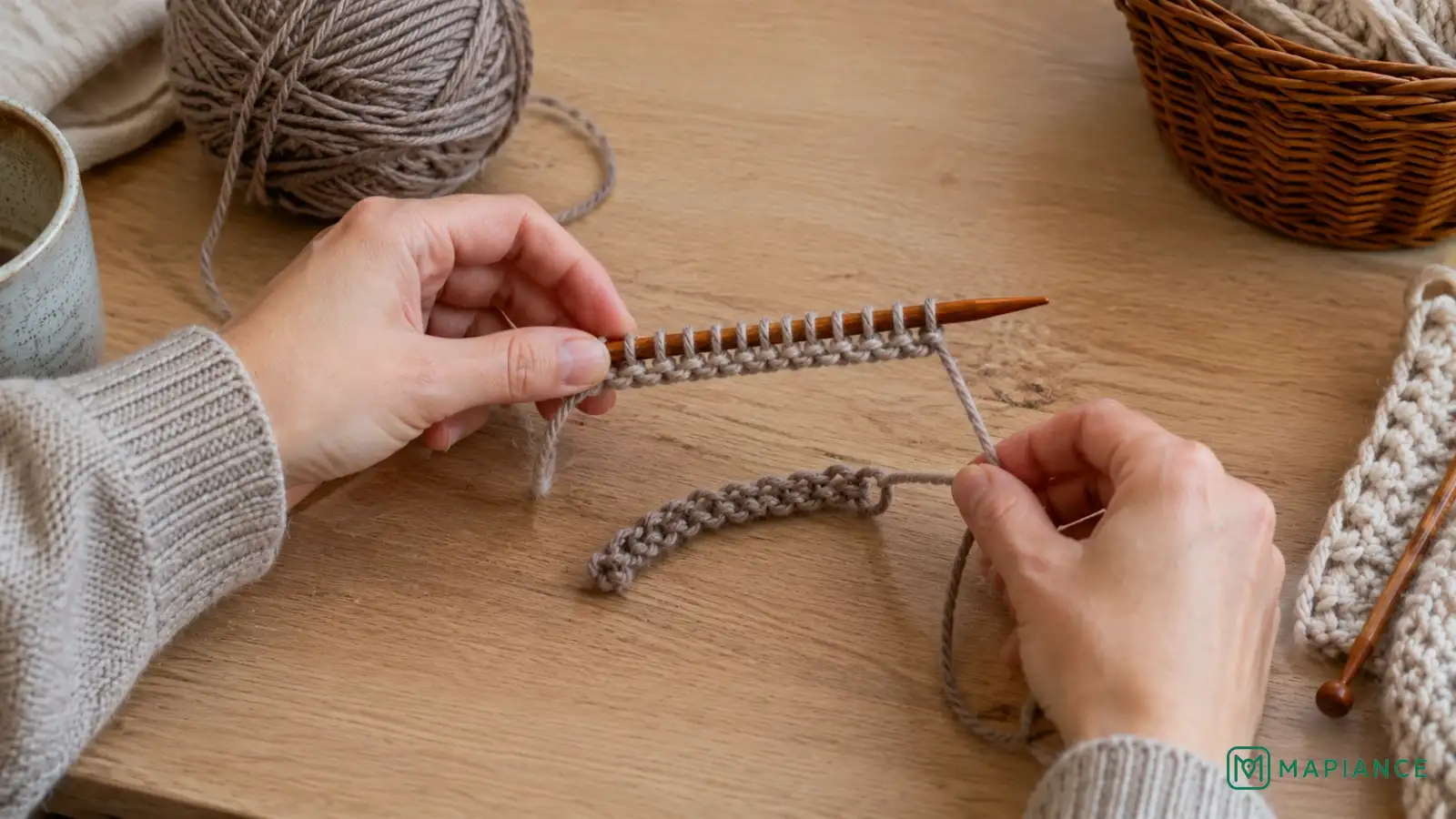
Redo a Tight Cast-On or Edge
If only the cast-on edge is too tight, do not force the finished fabric to stretch around it. Undo the cast-on and start again with looser loops, a larger needle for the cast-on only, or a stretchier cast-on method that suits the project. After the first row, return to the needle size needed for the main fabric. The new edge should stretch at least as easily as the knitting above it.
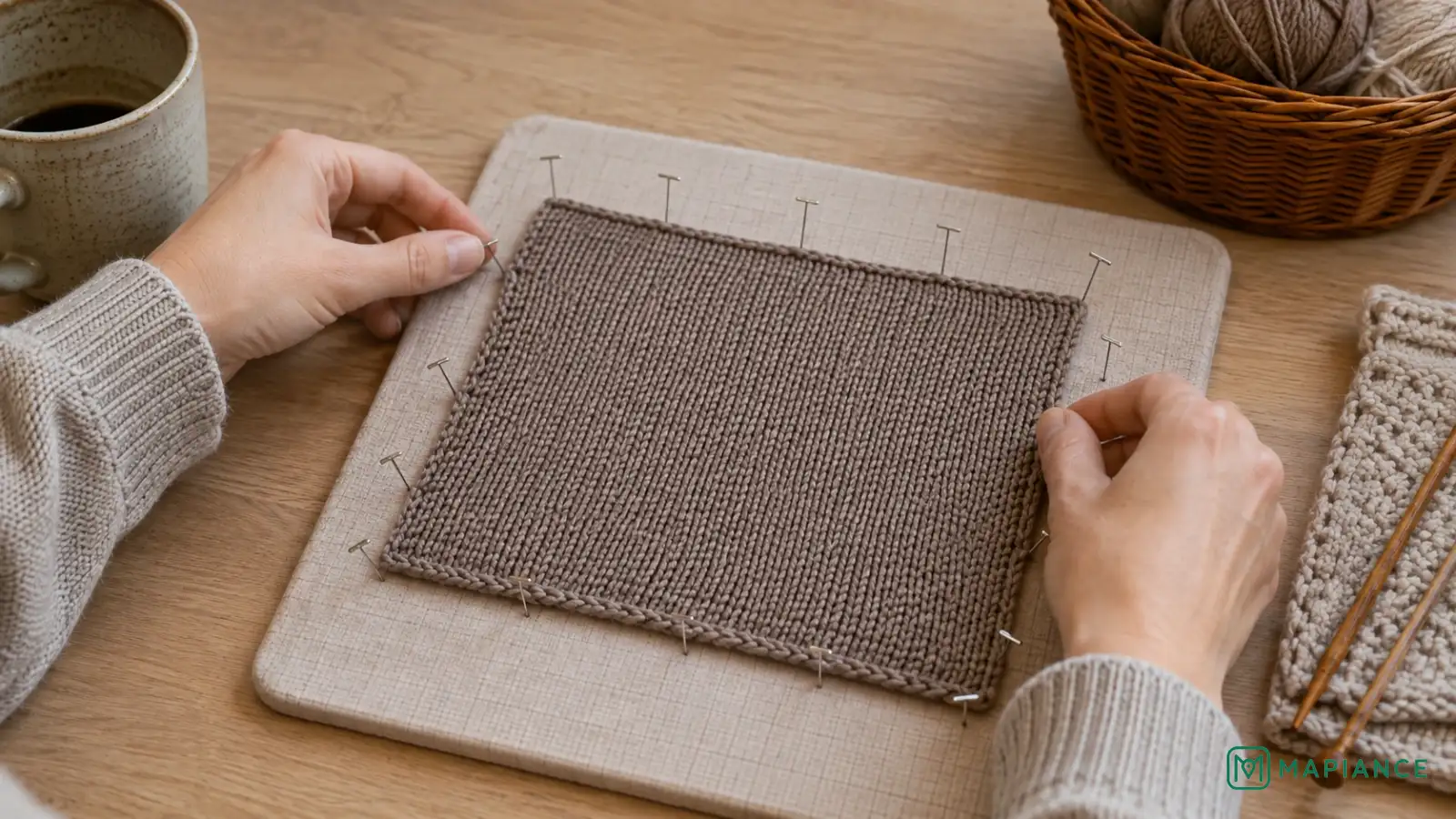
Block for Small Adjustments
When the knitting is finished, wash or dampen it only in the way recommended for the yarn, then shape it gently to the intended measurements and let it dry flat. Blocking can relax uneven or slightly tight stitches, especially in natural fibres, but it cannot reliably correct a major gauge error. If the piece must be stretched hard to reach the required size, re-knitting is safer than depending on blocking.
Tips & common mistakes
Tips for best results
- Make a gauge swatch before starting a fitted garment, hat, sock, or sleeve so you can correct tight tension before it affects the whole project.
- If one row becomes tighter after a difficult technique such as colourwork, cables, or picking up stitches, slow down and spread the stitches along the needle before continuing.
- Metal needles may let tight stitches slide more easily than grippy wooden or bamboo needles, although needle size still determines the gauge.
- For stranded colourwork, spread the recently worked stitches along the right needle before carrying the next colour across the back so the floats do not pull the fabric inward.
- If your hands become sore while knitting, a lighter grip and easier-moving stitches can reduce the amount of force needed to work each loop.
Common mistakes
- Pulling the working yarn tight after every stitch makes the loops smaller than the needle diameter and can make later rows difficult to work.
- Forming stitches only on the narrow needle tips produces loops that are too small when they move onto the wider shaft.
- Changing to a larger needle without checking gauge can make the knitting too loose; increase the size gradually and measure again.
- Trying to stretch a severely undersized garment during blocking can distort the fabric without fixing the underlying stitch gauge.
- Keeping a very tight cast-on because the rest of the knitting looks correct can leave a cuff, neckline, sock top, or hem that does not stretch enough to use comfortably.
Frequently asked questions
Why is my knitting so tight on the needles?
The most common causes are pulling the working yarn after each stitch, gripping the needles firmly, or forming stitches on the narrow tips instead of the full-width shaft.
Should I use bigger needles if I knit tightly?
Yes, if your stitch gauge is still too small after relaxing your technique. Move up one needle size at a time and measure a new swatch before continuing the project.
Can I loosen knitting after it is already finished?
Blocking can relax slightly tight or uneven fabric, but it cannot reliably fix a major gauge difference. A piece that is much too small usually needs to be re-knitted.
How do I stop my cast-on from being too tight?
Do not pull each cast-on loop snug. You can also cast on with a slightly larger needle or use a stretchier cast-on that suits the edge of the project.
Why are my stitches hard to slide along the needle?
The loops are probably smaller than the needle shaft. Form each stitch around the full-width part of the needle and avoid tightening the yarn afterward.
Does tight knitting use more yarn?
Tighter gauge changes how much fabric each stitch covers, so yarn use can differ from the pattern. Matching the pattern gauge is the best way to estimate size and yarn requirements accurately.
Written by Mapiance Editorial Team
The Mapiance Editorial Team researches, writes, reviews, and maintains practical guides and explainers for MAPIANCE.
Published Aug 29, 2026 · Updated Oct 1, 2026