 MAPI
MAPIHow to Fix Mushy Rice
Rice becomes mushy when it absorbs too much water, cooks too long, or stays trapped under steam after it is done. Slightly mushy rice can often be improved by stopping the cooking quickly and letting excess moisture escape. The goal is to dry the rice gently without stirring or pressing it so much that the grains break down further.
Remove the rice from the heat, uncover it, and gently fluff it with a fork so excess steam can escape. If it is still too wet, spread it in a thin layer on a tray or wide plate for a few minutes, or dry it briefly in a low oven if the rice is very damp.
Things you'll need
- Fork
- Wide plate or baking sheet
- Clean kitchen towel or oven mitts
- Low oven if extra drying is needed
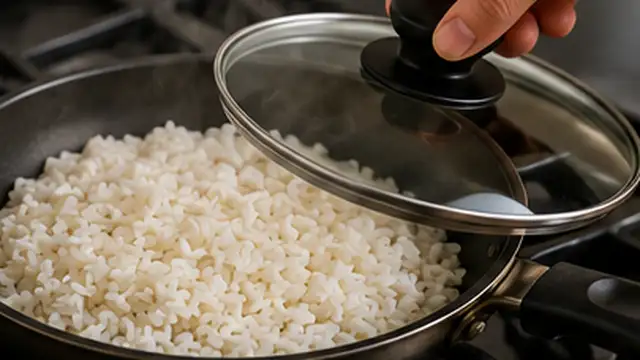
Stop the cooking immediately
Take the pot off the heat as soon as you notice the rice is too soft or wet. Remove the lid so trapped steam can escape. Leaving the rice covered on a hot burner continues to soften the grains even after the heat is turned down.
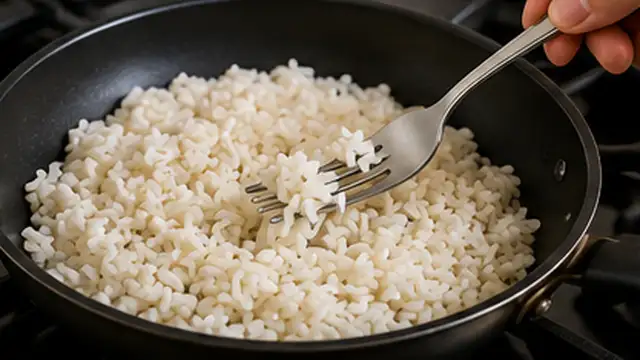
Fluff the rice gently
Use a fork to lift and separate the rice with light movements. Do not stir vigorously or mash the grains against the pot because soft rice breaks easily. Gentle fluffing creates small spaces where steam can escape.
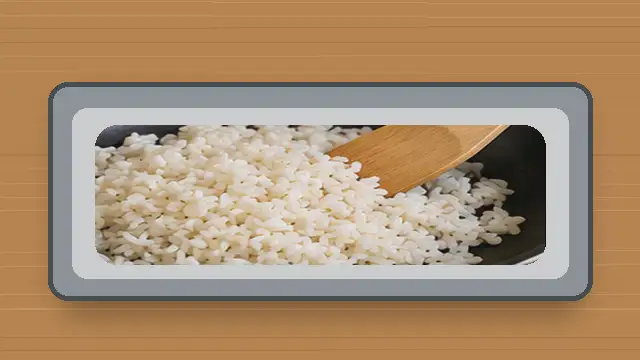
Let excess moisture escape
Leave the rice uncovered for about 5 to 10 minutes. If the bottom of the pot is still very wet, transfer the rice carefully to a wide plate or baking sheet and spread it into a thin, loose layer. The larger surface area helps moisture evaporate faster.
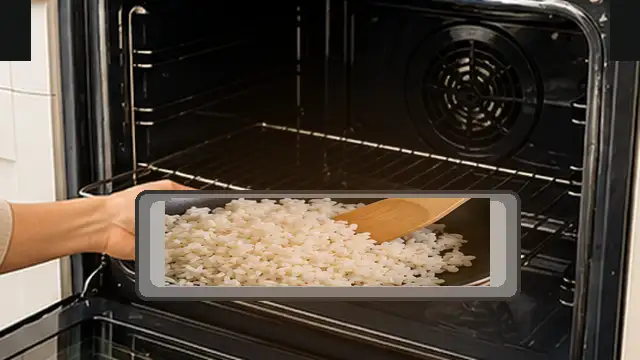
Dry very wet rice with low heat
If the rice is still noticeably wet, spread it on a baking sheet and place it in a low oven around 150°C or 300°F for about 5 to 10 minutes. Check it frequently and remove it as soon as the surface feels less wet. This works best for rice that is waterlogged but not completely broken down.
Serve or repurpose the rice
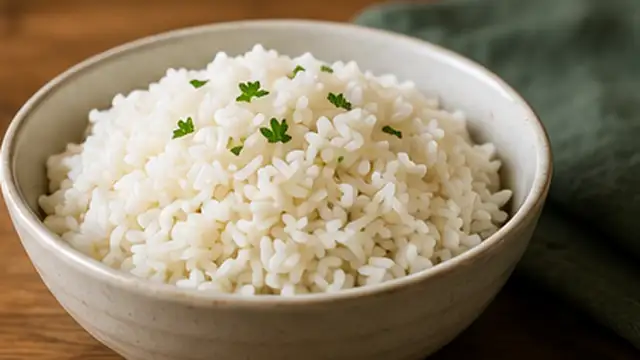
Once the rice has improved, serve it right away if the texture is acceptable. If it is still softer than you wanted, use it in a dish where a tender texture works well, such as rice patties, rice pudding, soup, or a casserole. If you plan to save cooked rice, cool it promptly and refrigerate it rather than leaving it at room temperature.
Tips & common mistakes
Tips for best results
- Measure the rice and water carefully because too much water is one of the most common causes of mushy rice.
- Use a timer and follow the cooking time for your rice type instead of repeatedly lifting the lid.
- Let properly cooked rice rest off the heat for a few minutes before fluffing so moisture redistributes evenly.
- Use a pot with a well-fitting lid so you do not need extra water to compensate for escaping steam.
- Different rice varieties need different amounts of water, so follow the package directions when trying a new type.
Common mistakes
- Stirring the rice aggressively: Soft grains break easily and can turn into a paste when stirred too much.
- Keeping the pot covered after the rice is already mushy: Trapped steam continues to soften the grains.
- Adding more dry rice to the pot: The new rice may cook unevenly and usually does not fix the texture of the original batch.
- Rinsing fully cooked mushy rice under water: This can cool the rice unevenly and make the grains even more waterlogged.
- Leaving cooked rice at room temperature for a long time: Cool leftovers promptly and refrigerate them for safe storage.
Frequently asked questions
Can mushy rice be completely fixed?
Slightly mushy rice can often be improved by releasing steam and drying it gently. Rice that has cooked until the grains have broken down cannot usually be returned to a firm, separate texture.
Why did my rice turn mushy?
Common causes include too much water, overcooking, using a pot that traps more moisture than expected, or leaving the rice covered and hot for too long after cooking.
Can I put mushy rice in the oven?
Yes. Spreading very wet rice in a thin layer and heating it briefly in a low oven can remove some excess moisture. Check it often so it does not dry out or become hard.
Should I rinse mushy rice after cooking?
Usually no. Rinsing cooked rice can add more water and damage the soft grains. Releasing steam and spreading the rice out is generally more useful.
What can I make with rice that is too mushy to serve normally?
Very soft rice can still work in rice pudding, rice patties, soups, casseroles, or other dishes where separate firm grains are not important.
Written by Mapiance Editorial Team
The Mapiance Editorial Team researches, writes, reviews, and maintains practical guides and explainers for MAPIANCE.
Published Aug 22, 2026 · Updated Sep 9, 2026