 MAPI
MAPIHow to Fix Soup That’s Too Thin
A soup can turn out too thin when there is more liquid than expected, vegetables release extra water, or the thickener was not strong enough. The best fix depends on the soup: chunky soups often thicken well by reduction or blending, while smooth soups can also use a small starch slurry. Work gradually because an over-thickened soup is harder to correct than a thin one.
Start by simmering the soup uncovered to reduce excess liquid. If it is still too thin, blend some of the soup solids back into the pot or add a small cold-water starch slurry, then simmer briefly and recheck the texture before adding more.
Things you'll need
- Wooden spoon or ladle
- Blender or immersion blender, if suitable for the soup
- Cornstarch or another suitable starch, if needed
- Small bowl
- Cold water
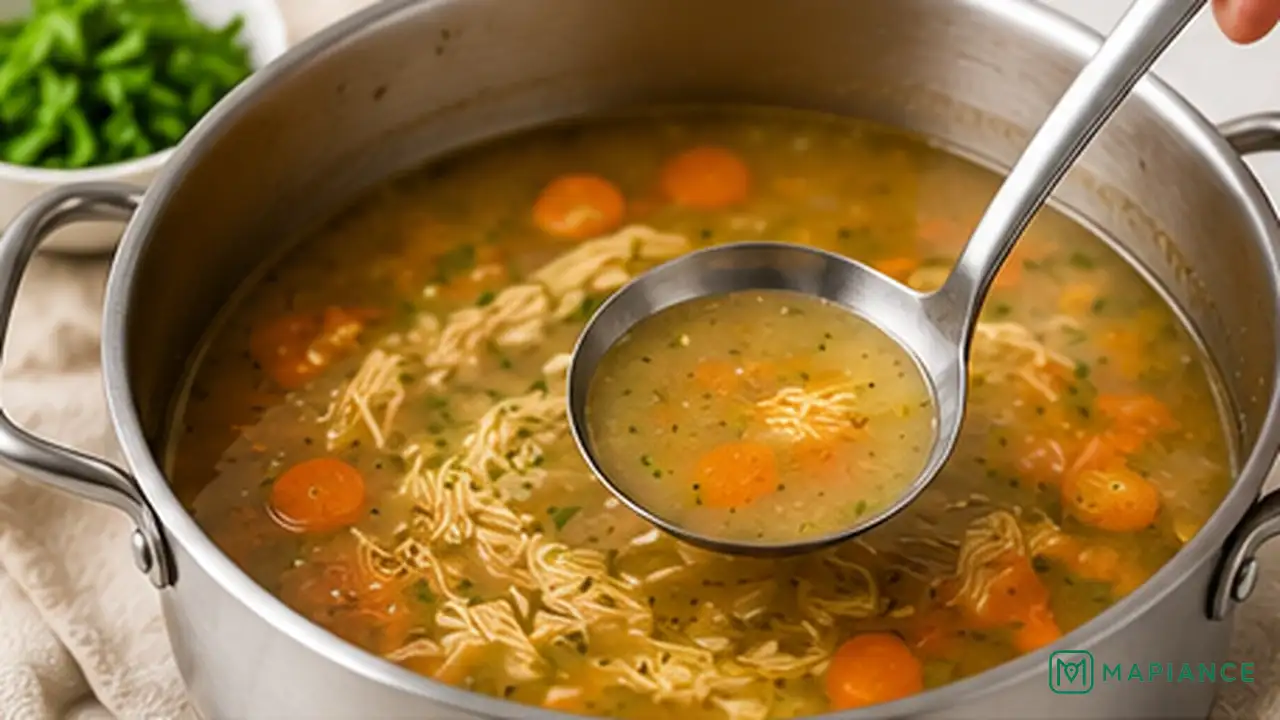
Simmer It Uncovered
Bring the soup to a gentle simmer with the lid off so some of the excess water can evaporate. Stir every few minutes, especially if the soup contains beans, pasta, dairy, or ingredients that can stick to the bottom. Check the consistency after about 10 minutes before reducing it further. This method concentrates flavor as well as thickening the soup, so stop if it begins to taste too salty or intense.
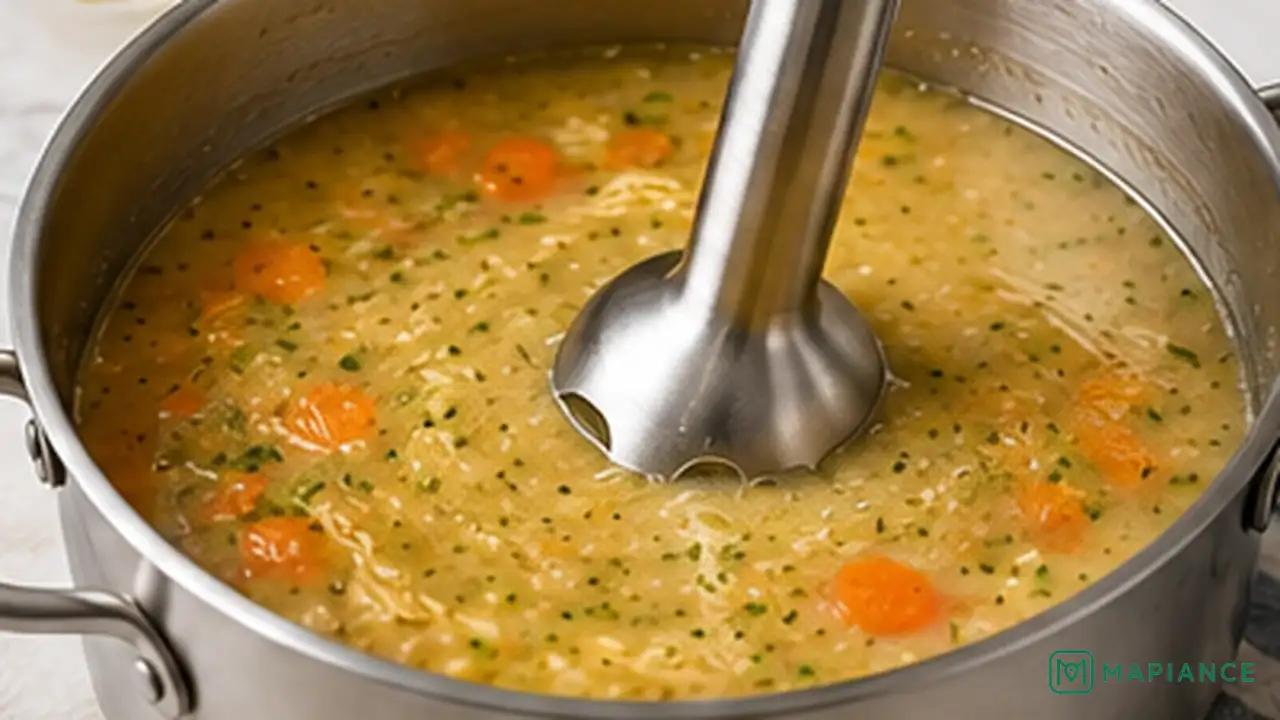
Blend Some of the Soup
For soups with potatoes, beans, lentils, squash, or other soft solids, ladle a portion into a blender or use an immersion blender directly in the pot. Blend only enough to make that portion smooth, then stir it back into the rest of the soup. This thickens the broth naturally while keeping much of the original texture. If using a countertop blender with hot soup, work in small batches and follow the blender manufacturer’s instructions for hot liquids.
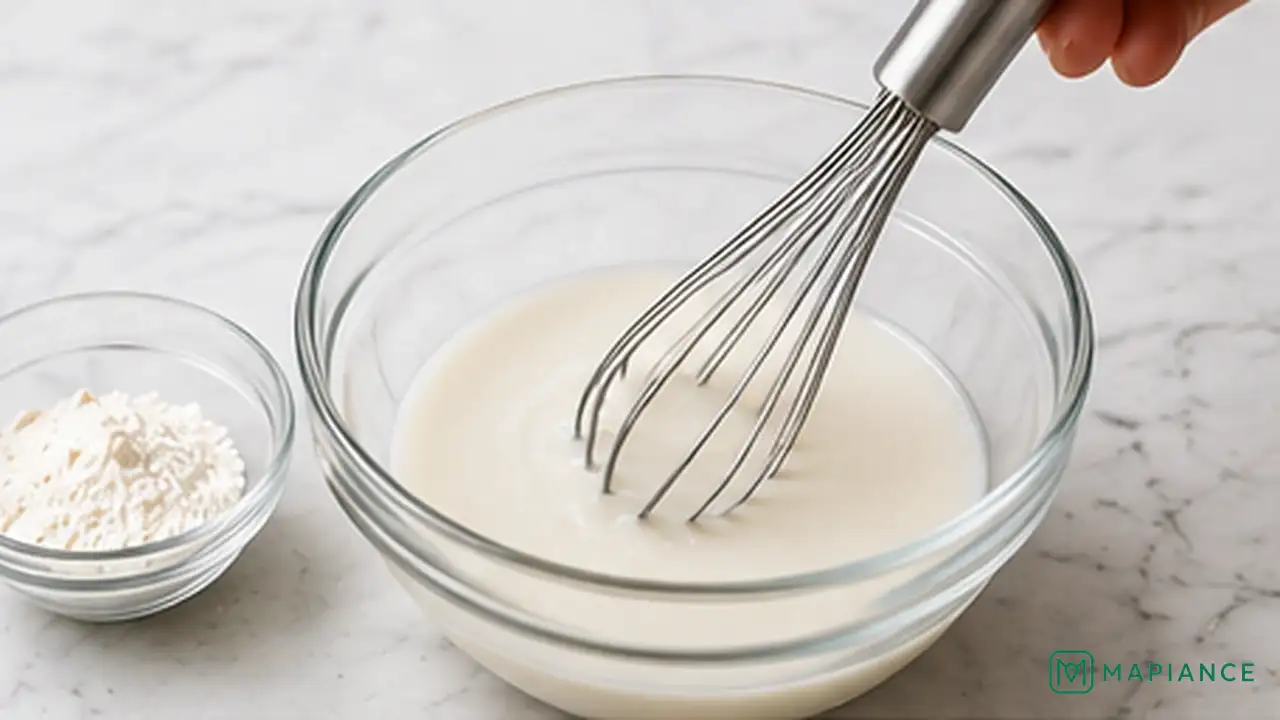
Make a Cold Starch Slurry
If the soup still needs more body, mix cornstarch with an equal amount of cold water in a small bowl until completely smooth. As a starting point, use about 1 tablespoon of cornstarch and 1 tablespoon of cold water for roughly 2 cups of soup. Never add dry cornstarch directly to the pot because it can form lumps.

Stir In the Slurry Gradually
Pour a little of the slurry into the gently simmering soup while stirring continuously. Let the soup simmer for about 1 to 2 minutes so the starch can thicken the liquid, then check the texture before adding more. Add the remaining slurry only if needed. For creamy or dairy-based soups, keep the heat gentle to reduce the chance of scorching or separation.
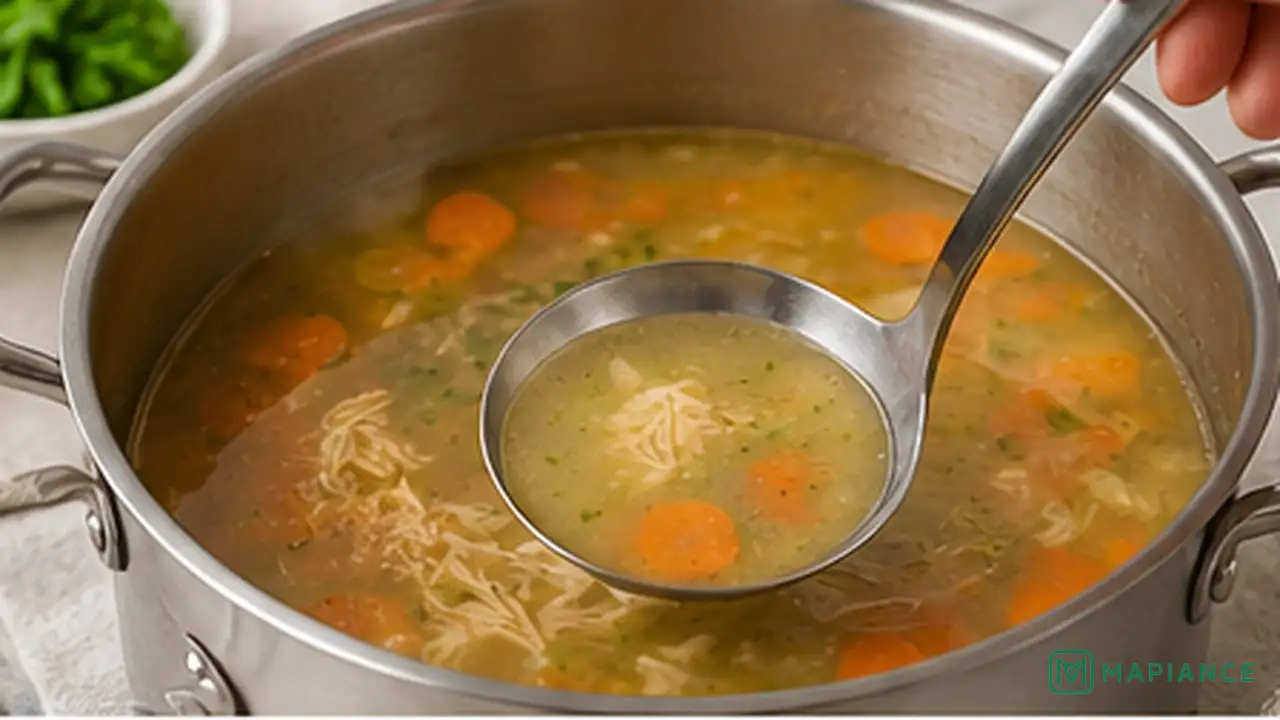
Rest and Check the Texture
Remove the soup from the heat and let it stand for a few minutes before judging the final thickness. Soups often become slightly thicker as they cool, especially those containing starches, beans, potatoes, rice, or pasta. Stir once more and only add another small amount of thickener if the soup is still clearly too thin. If you accidentally make it too thick, loosen it with a little warm broth or water.
Tips & common mistakes
Tips for best results
- Reduction works best when the soup already tastes balanced; if it is salty, use blending or a starch slurry instead of concentrating it further.
- Pureeing beans, potatoes, lentils, or cooked vegetables usually preserves the soup’s flavor better than adding a large amount of starch.
- Add any slurry in stages because starch continues to thicken as the soup heats and then cools slightly.
- For creamy soups, gentle heat is safer than a hard boil because dairy can scorch or separate.
- Instant potato flakes can thicken some hearty soups quickly, but add only a small spoonful at a time because they absorb liquid fast.
Common mistakes
- Adding dry cornstarch or flour straight to the soup can create stubborn lumps; mix it with cold liquid first.
- Adding the entire slurry at once can make the soup turn gluey or overly thick before you have time to adjust it.
- Reducing the soup too aggressively can make the flavor too salty or concentrated even if the texture improves.
- Blending the whole pot when you want a chunky soup can remove the texture you were trying to keep; blend only part of it.
- Judging the soup while it is still at a full simmer can lead to over-thickening because many soups become thicker after resting.
Frequently asked questions
Can I use flour instead of cornstarch to thicken soup?
Yes, but flour usually needs more cooking time to remove its raw taste. Mix it smoothly with cold water first and add it gradually while stirring.
How much cornstarch should I use for thin soup?
A useful starting point is about 1 tablespoon of cornstarch mixed with 1 tablespoon of cold water for roughly 2 cups of soup. Add less than the full amount at first and adjust after it simmers.
Can I thicken soup without flour or cornstarch?
Yes. Simmering uncovered, blending part of the soup, or adding mashed beans, potatoes, or cooked vegetables can thicken it without a starch slurry.
Why did my soup stay thin after adding cornstarch?
The soup may not have heated long enough for the starch to thicken, or there may not have been enough starch for the amount of liquid. Let it simmer briefly before deciding whether to add more.
How do I fix soup that became too thick?
Stir in a small amount of warm broth or water until the soup returns to the consistency you want. Add liquid gradually so you do not make it too thin again.
Written by Mapiance Editorial Team
The Mapiance Editorial Team researches, writes, reviews, and maintains practical guides and explainers for MAPIANCE.
Published Aug 29, 2026 · Updated Sep 27, 2026