 MAPI
MAPIHow to Fix Uneven Crochet Edges
Uneven crochet edges usually come from stitch-count errors at the beginning or end of rows, inconsistent treatment of the turning chain, or changing tension. The fastest way to fix the problem is to identify whether the fabric is gaining stitches, losing stitches, or simply pulling tighter on one side. Once the cause is clear, you can repair the affected rows and prevent the edge from drifting again.
Count the stitches in each row first. If the edge grows wider, you are probably adding stitches; if it narrows, you are likely missing stitches. Mark the first and last real stitch of every row, follow the pattern's rule for whether the turning chain counts as a stitch, and keep the same tension at both edges. For a badly uneven section, undo only the affected rows and crochet them again with markers in place.
Things you'll need
- Crochet project
- Crochet hook used for the project
- Locking stitch markers
- Yarn needle if finishing the edge later
- Pattern or row notes if available
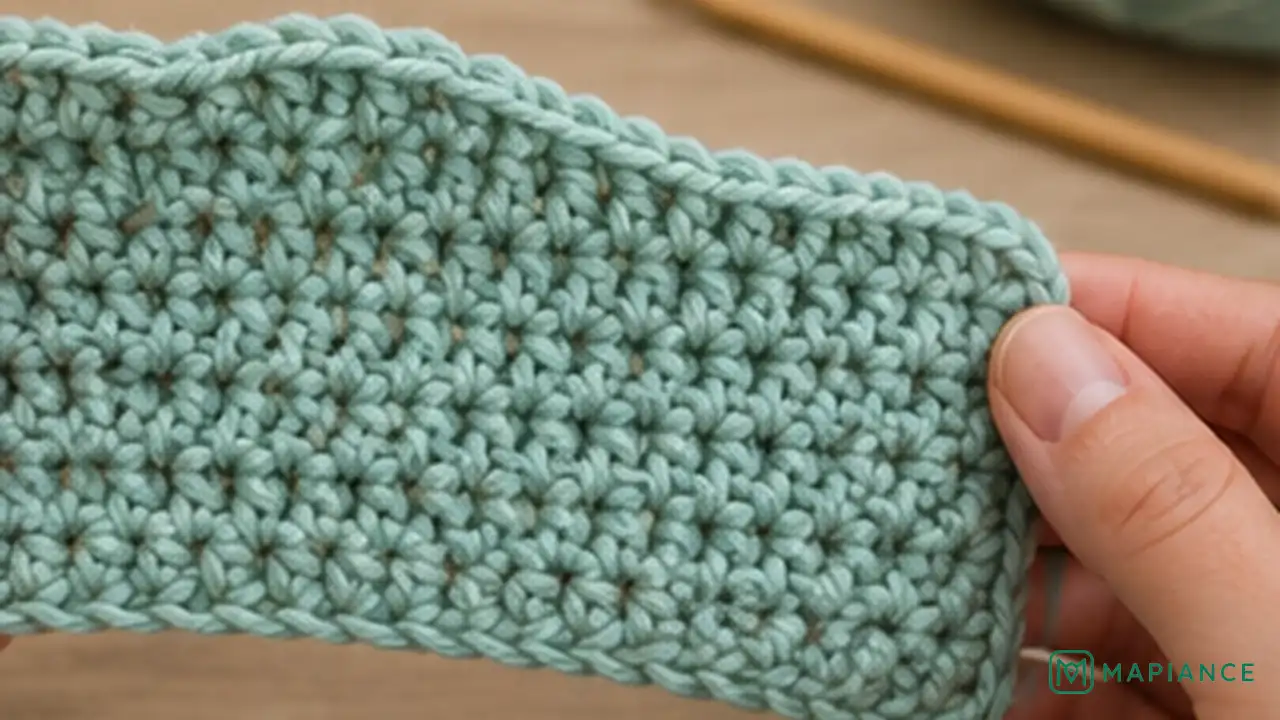
Check whether the row count is changing
Count the stitches in the current row and compare that number with the pattern or with a known correct row. If the piece is getting wider, look for extra stitches. If it is getting narrower, look for missed stitches. Mark the row where the count first changes so you know how far back the problem begins.
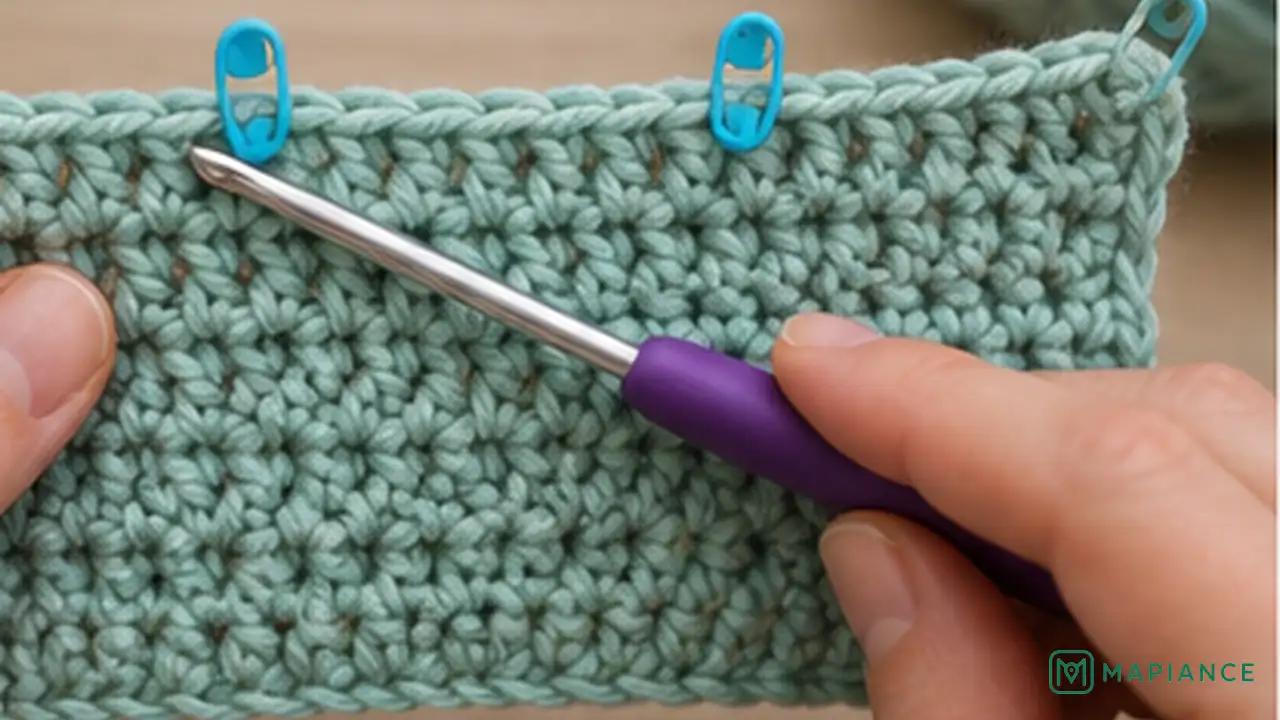
Mark the first and last real stitches
Place a locking stitch marker in the first and last real stitch of the row. Move the markers up as you work each new row. This makes the edge stitches easy to find and prevents you from accidentally adding a stitch beside them or skipping the final stitch.
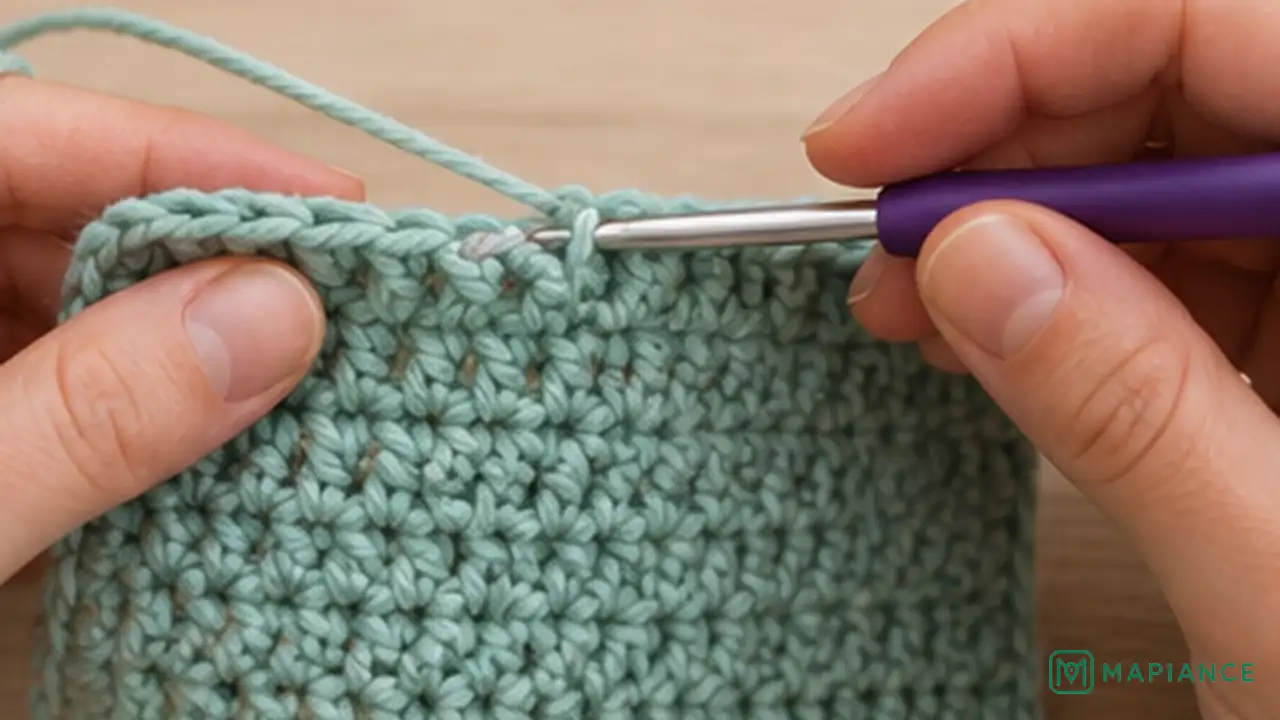
Use the turning chain consistently
Check the pattern to see whether the turning chain counts as a stitch. Follow that rule the same way on every row. If it counts, treat it as part of the stitch count and work the row end correctly. If it does not count, make the first real stitch in the first stitch of the row instead of treating the chain as an extra stitch.
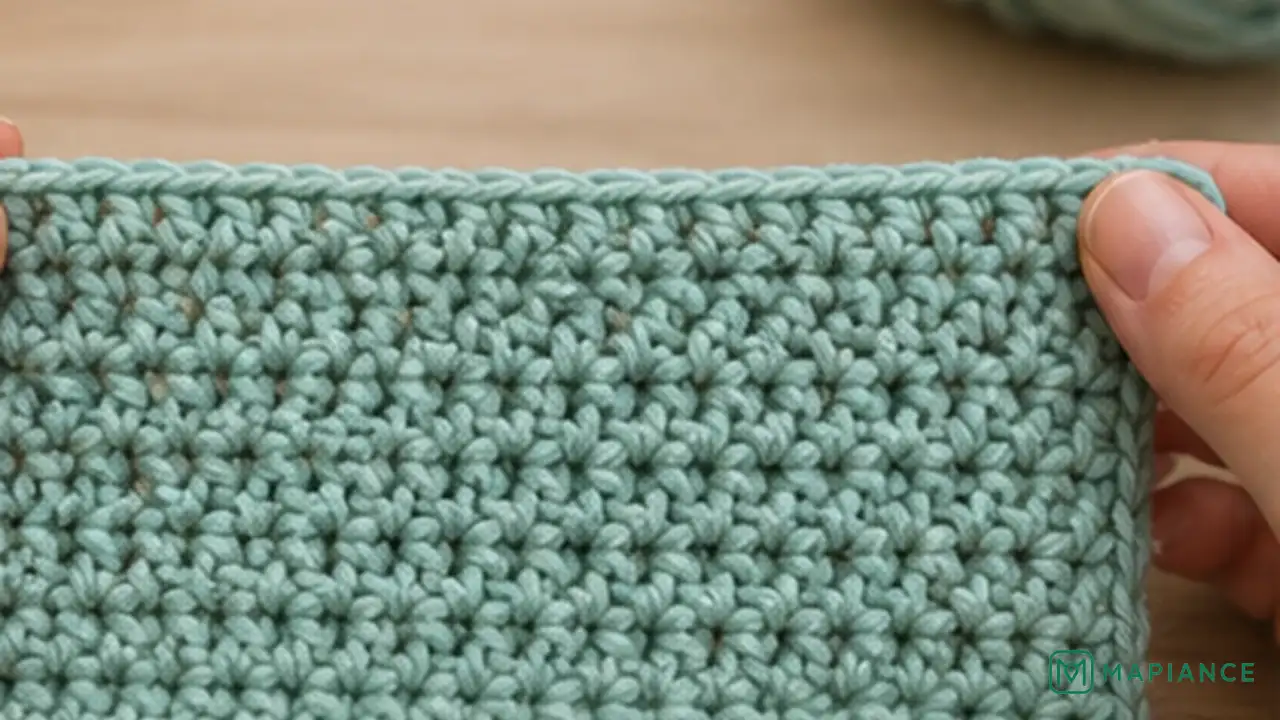
Correct missed or extra edge stitches
If only the current row is wrong, carefully undo stitches back to the mistake and work the edge again. Remove an accidental extra stitch or add the missed final stitch so the row returns to the correct count. Recount before moving on to the next row.
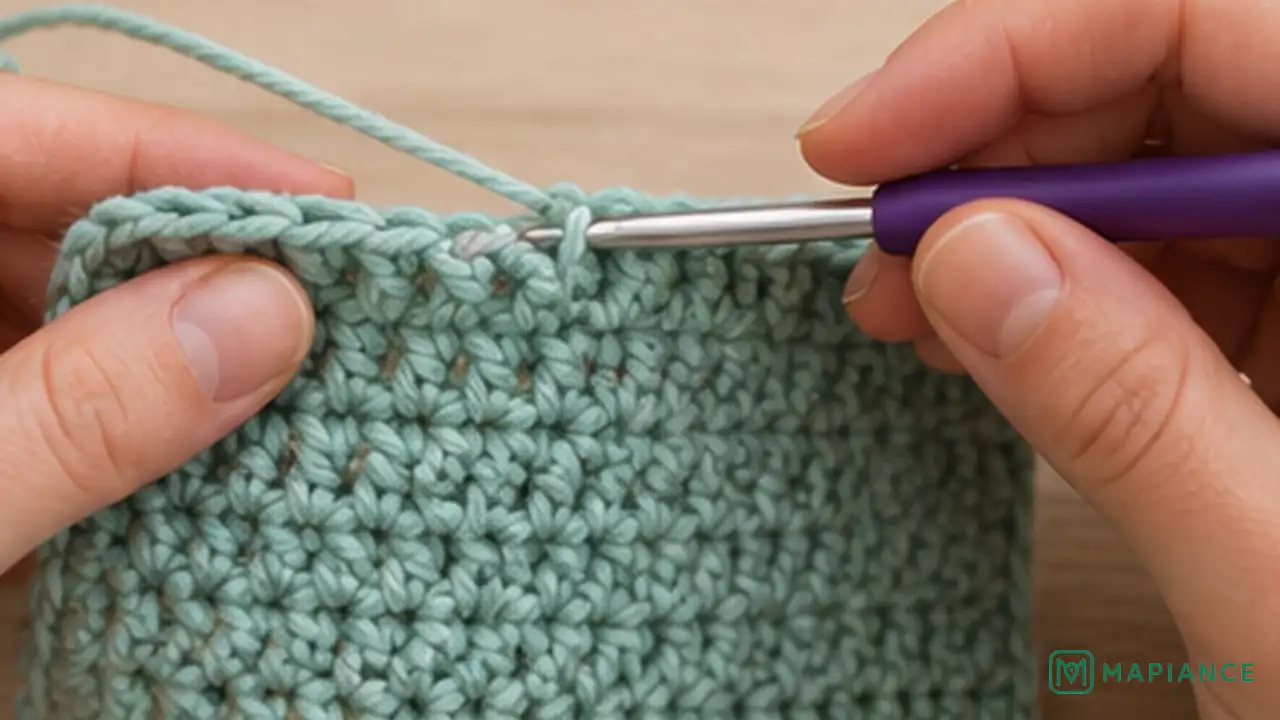
Even out your edge tension
Keep the working loop and the first stitch of each row at the same tension as the rest of the fabric. Do not tighten the edge after turning, and do not leave a very loose loop just to make the stitch easier to enter. If one side is still pulling inward, slow down and compare the height of the edge stitches with nearby stitches.
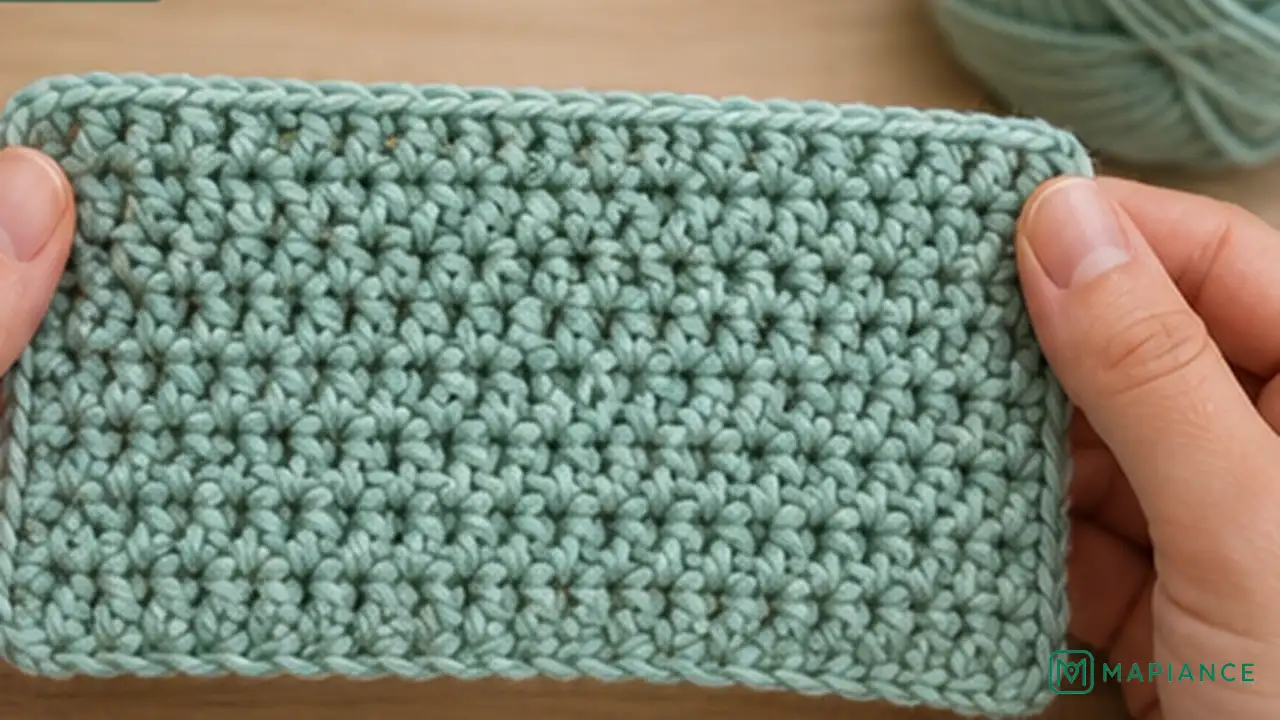
Redo badly uneven rows and check the edge again
If several rows have the wrong stitch count, unravel only to the last correct row and crochet the section again with edge markers in place. Lay the fabric flat every few rows and check that both sides stay straight. Minor waviness can be blocked later, but the stitch count should be correct before you continue.
Tips & common mistakes
Tips for best results
- Count stitches every few rows instead of waiting until the edge looks obviously uneven.
- Place a locking marker in the first and last real stitch of each row, especially when working tall stitches.
- Follow the pattern's instruction for the turning chain consistently; do not switch between counting it and ignoring it.
- When turning, avoid pulling the working loop extra tight because that can shorten one edge.
- For practice swatches, photograph the first correct rows so you can compare the edge structure later.
Common mistakes
- Crocheting into the turning chain by accident: This can add an extra stitch and make the fabric wider.
- Skipping the last stitch because it is hard to see: This gradually narrows the work.
- Changing whether the turning chain counts as a stitch: The edge can shift from row to row.
- Pulling the first stitch of every row too tightly: One side can become shorter and puckered.
- Trying to hide a large stitch-count error with a border: A border can neaten a small edge variation, but it cannot correct a fabric that is gaining or losing stitches.
Frequently asked questions
Why are my crochet edges getting wider?
You are probably adding stitches, often by working into the turning chain or placing an extra stitch at the beginning or end of a row.
Why is my crochet getting narrower?
A narrowing piece usually means stitches are being missed. The last stitch of a row is a common place to skip one.
Does the turning chain count as a stitch?
It depends on the pattern and stitch type. Follow one method consistently throughout the project. If the pattern says the turning chain counts, work into it as instructed; if it does not count, place the first real stitch in the correct first stitch.
Can I fix uneven crochet edges without undoing rows?
Small tension differences can sometimes be improved with blocking or a border. If the stitch count is wrong, undoing the affected rows and crocheting them again is usually the cleanest fix.
Will blocking straighten uneven crochet edges?
Blocking can smooth minor tension differences and help edges lie flatter, but it will not permanently fix rows that contain too many or too few stitches.
Written by Mapiance Editorial Team
The Mapiance Editorial Team researches, writes, reviews, and maintains practical guides and explainers for MAPIANCE.
Published Aug 28, 2026 · Updated Oct 1, 2026