 MAPI
MAPIHow to Get Rid of Aphids on Plants
Aphids are small, soft-bodied insects that gather on young leaves, stems, buds, and the undersides of foliage. They feed on plant sap and can cause curled leaves, sticky residue, weak new growth, and distorted shoots. A small infestation is often easy to control without strong pesticides if you act early and check the plant regularly.
Start by spraying aphids off the plant with a firm stream of water, especially from the undersides of leaves. Remove badly infested shoots. If aphids return, use insecticidal soap or horticultural oil labeled for the plant and aphids, following the product directions carefully.
Things you'll need
- Garden hose or spray bottle
- Clean pruning shears or scissors
- Insecticidal soap or horticultural oil labeled for aphids, if needed
- Protective gloves if required by the product label
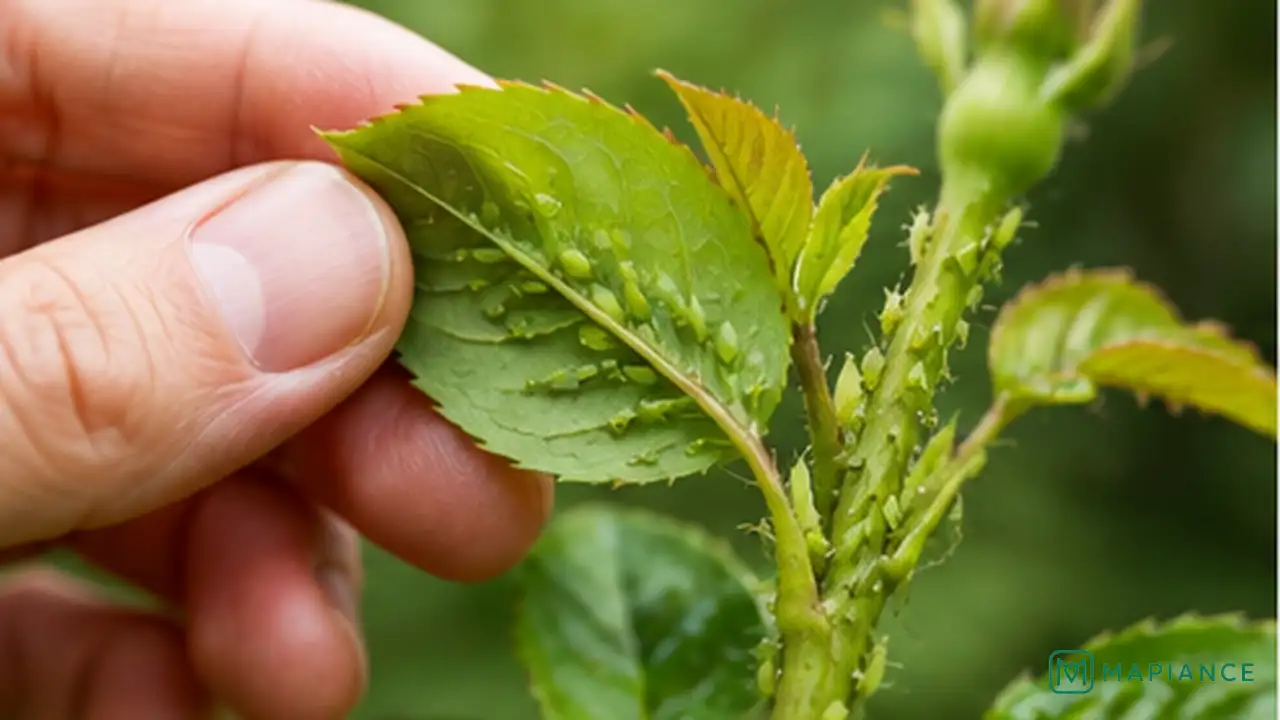
Confirm You Have Aphids
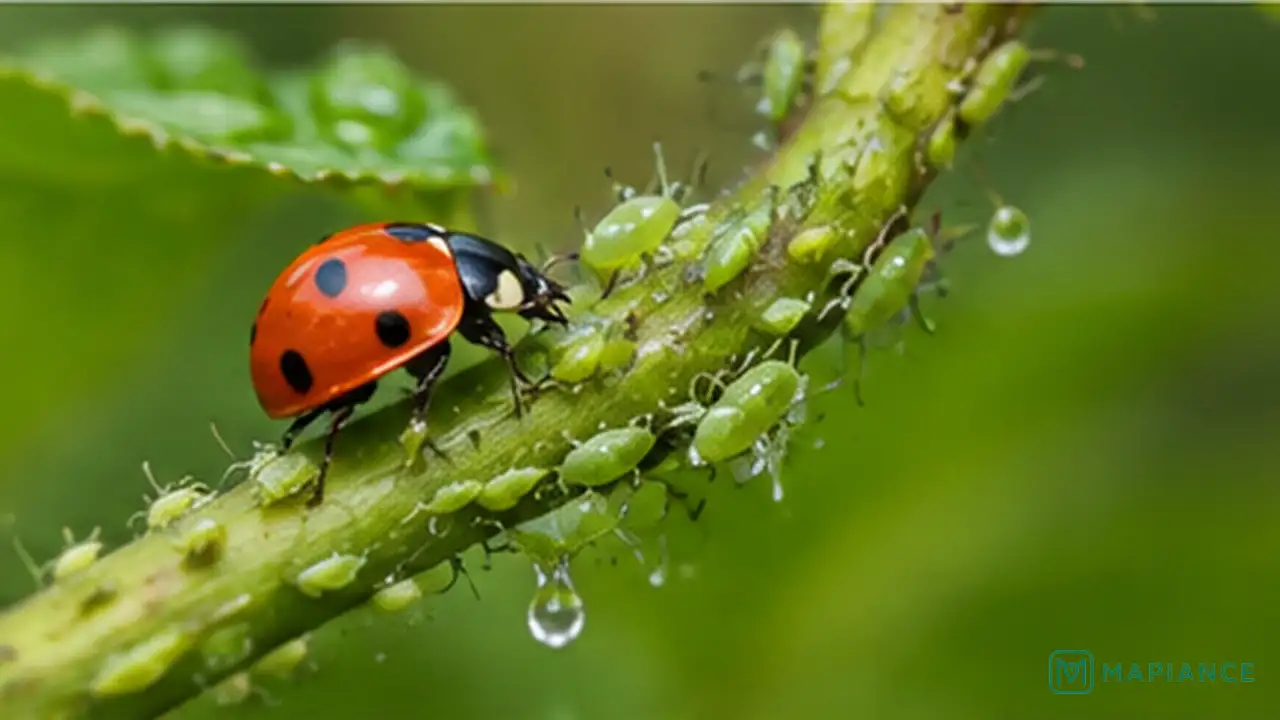
Check young shoots, flower buds, stems, and the undersides of leaves. Aphids are small, soft insects that may be green, black, brown, yellow, pink, or gray. They often gather in groups. You may also notice curled new leaves, sticky honeydew, ants moving around the plant, or dark sooty growth on the sticky residue. Confirm the pest before treating because other small insects may need a different approach.
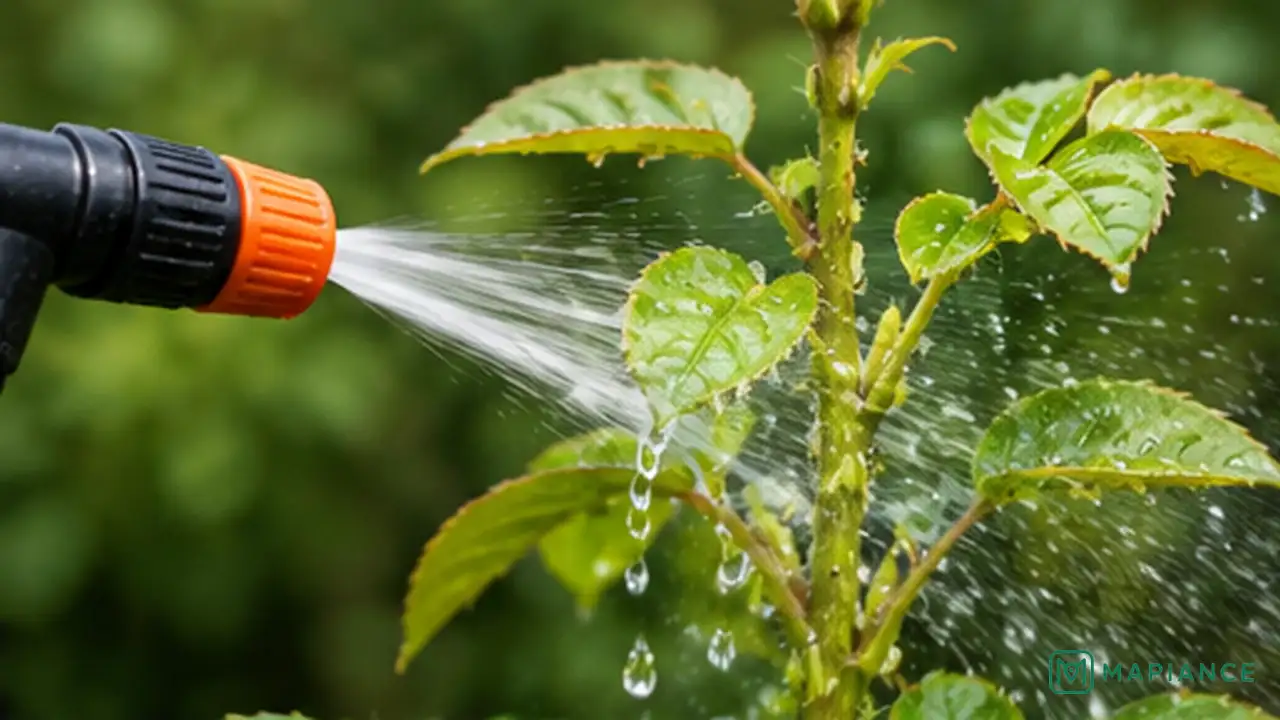
Spray the Aphids Off With Water
Take the plant outdoors if practical, or protect the surrounding area for a houseplant. Use a firm but gentle stream of water to knock aphids from the stems and leaves. Pay special attention to leaf undersides and tender new growth. Support delicate stems with your hand so the water does not break them. Many dislodged aphids will not easily return to the plant.
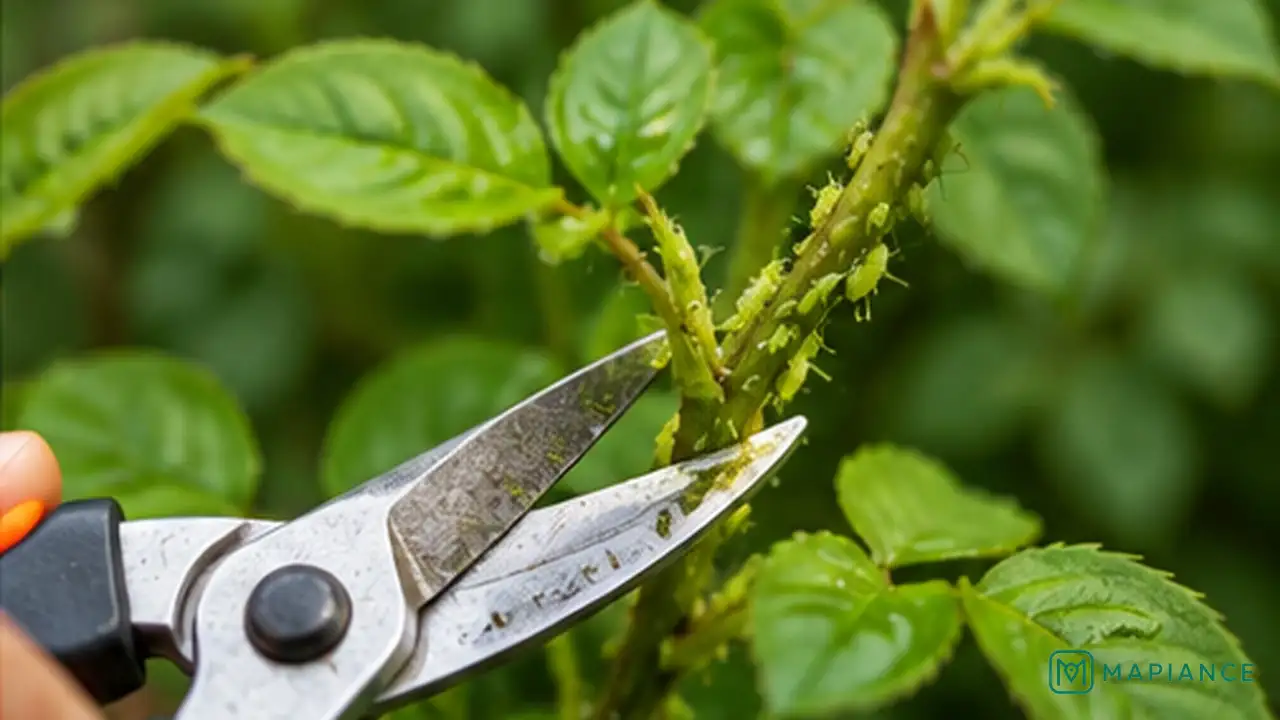
Remove Heavily Infested Growth
If one shoot, bud cluster, or leaf is covered with aphids, remove that part with clean pruning shears. Put the infested material in a bag or waste container instead of leaving it beside the plant. Do not remove large amounts of healthy foliage just to eliminate a few insects. Pruning works best when the infestation is concentrated in a small area.
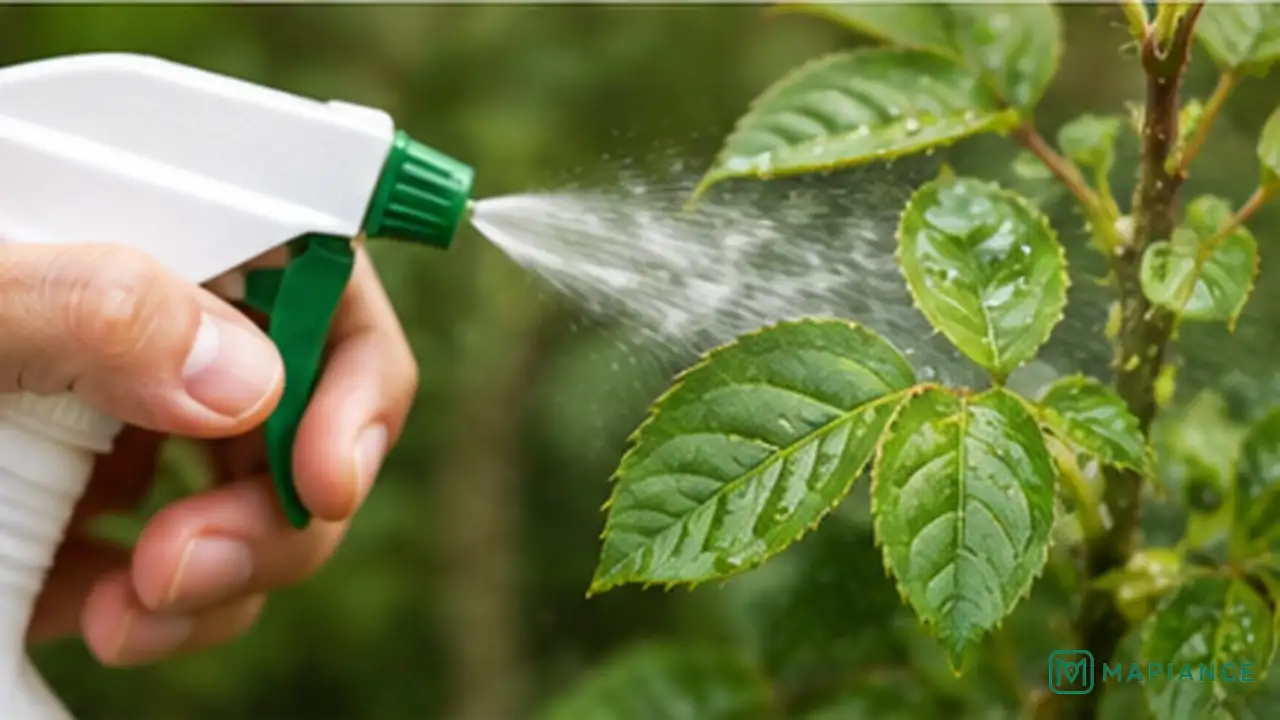
Use Insecticidal Soap if Aphids Return
If water and pruning are not enough, choose an insecticidal soap specifically labeled for aphids and for the type of plant you are treating. Spray the aphids directly because these products work mainly through contact. Cover both sides of affected leaves according to the label. Test sensitive plants first if the instructions recommend it, and avoid applying the product when the plant is heat- or drought-stressed.
Protect Beneficial Insects
Look for lady beetles, lacewing larvae, hoverfly larvae, and other insects that naturally feed on aphids. Avoid spraying these helpers directly. If you use a treatment, apply it only where aphids are present and follow label advice about pollinators and application timing. Broad-spectrum insecticides can kill natural predators and sometimes make aphid problems harder to control later.
Check the Plant Again
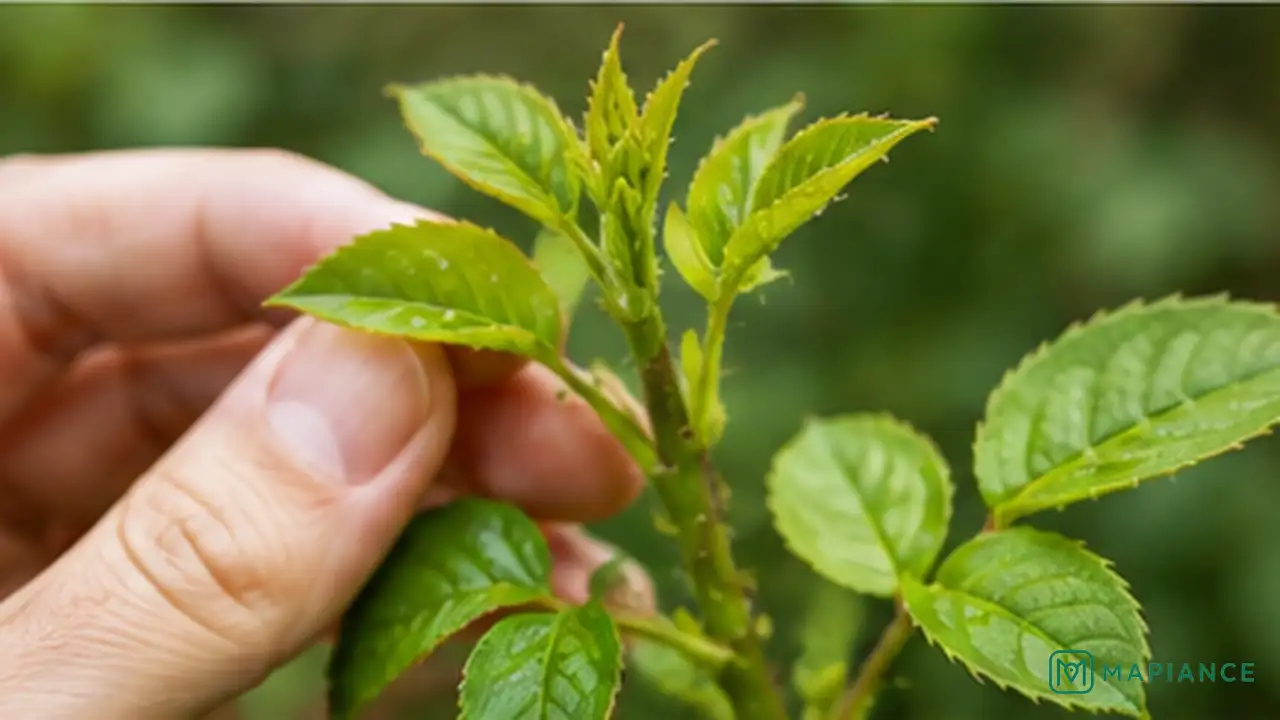
Inspect the plant every few days for new aphid colonies, especially on fresh shoots and leaf undersides. Repeat the water spray when only a few aphids return. If you are using insecticidal soap or horticultural oil, repeat it only at the interval stated on the product label. Continue until new growth stays clean and the aphid population is no longer increasing.
Tips & common mistakes
Tips for best results
- Check tender new growth regularly because aphids often gather there first.
- Avoid excessive high-nitrogen fertilizer, which can produce soft new growth that aphids readily feed on.
- Keep plants properly watered so they are not weakened by drought stress.
- For houseplants, inspect new plants before placing them beside your existing collection.
- Control ants when they are actively protecting aphid colonies from natural predators.
Common mistakes
- Spraying the tops of leaves only can miss large aphid colonies hiding underneath.
- Using a homemade soap mixture can burn leaves because household detergents are not formulated as plant-safe insecticides.
- Applying more pesticide than the label recommends can damage the plant without improving control.
- Killing lady beetles, lacewings, and other predators can remove natural aphid control from the garden.
- Treating once and never checking again can allow surviving aphids to rebuild the colony quickly.
Frequently asked questions
Can aphids kill a plant?
A small infestation usually does not kill a healthy plant, but a heavy or long-lasting infestation can weaken growth, distort leaves, reduce flowering, and seriously stress young or vulnerable plants.
Does spraying aphids with water really work?
Yes. A strong but plant-safe stream of water can remove many aphids, especially when the infestation is still small. Check the plant again after a few days and repeat if necessary.
What is the safest spray for aphids?
Insecticidal soap labeled for aphids and the plant you are treating is a common low-residue option. Horticultural oils may also work. Always follow the product label.
Should I kill lady beetles when treating aphids?
No. Lady beetles and their larvae eat aphids and can help control the infestation naturally. Avoid spraying beneficial insects directly.
Why are ants around my aphid-infested plant?
Ants feed on the sweet honeydew that aphids produce. Some ants protect aphid colonies from predators, so controlling the ants can sometimes improve natural aphid control.
Can I use dish soap to kill aphids?
Household dish detergents are not the same as insecticidal soap and may damage plant leaves. A product specifically labeled as insecticidal soap for plants is the safer choice.
Written by Mapiance Editorial Team
The Mapiance Editorial Team researches, writes, reviews, and maintains practical guides and explainers for MAPIANCE.
Published Aug 30, 2026 · Updated Oct 2, 2026