 MAPI
MAPIHow to Get Rid of Powdery Mildew on Plants
Powdery mildew usually appears as white or gray powdery patches on leaves, stems, buds, or flowers. It grows on living plant tissue and often spreads fastest in crowded, shaded conditions with moderate temperatures. Mild cases can often be managed with pruning and better growing conditions, while persistent infections may need a labeled fungicide.
Remove badly infected leaves, improve light and airflow around the plant, and avoid excess nitrogen fertilizer. If mildew keeps spreading, use a fungicide labeled for powdery mildew and for your specific plant, following the product directions carefully.
Things you'll need
- Clean pruning shears or scissors
- Disposable bag or garden waste container
- Clean cloth or paper towel
- Fungicide labeled for powdery mildew and your plant, if needed
- Protective gloves if required by the product label
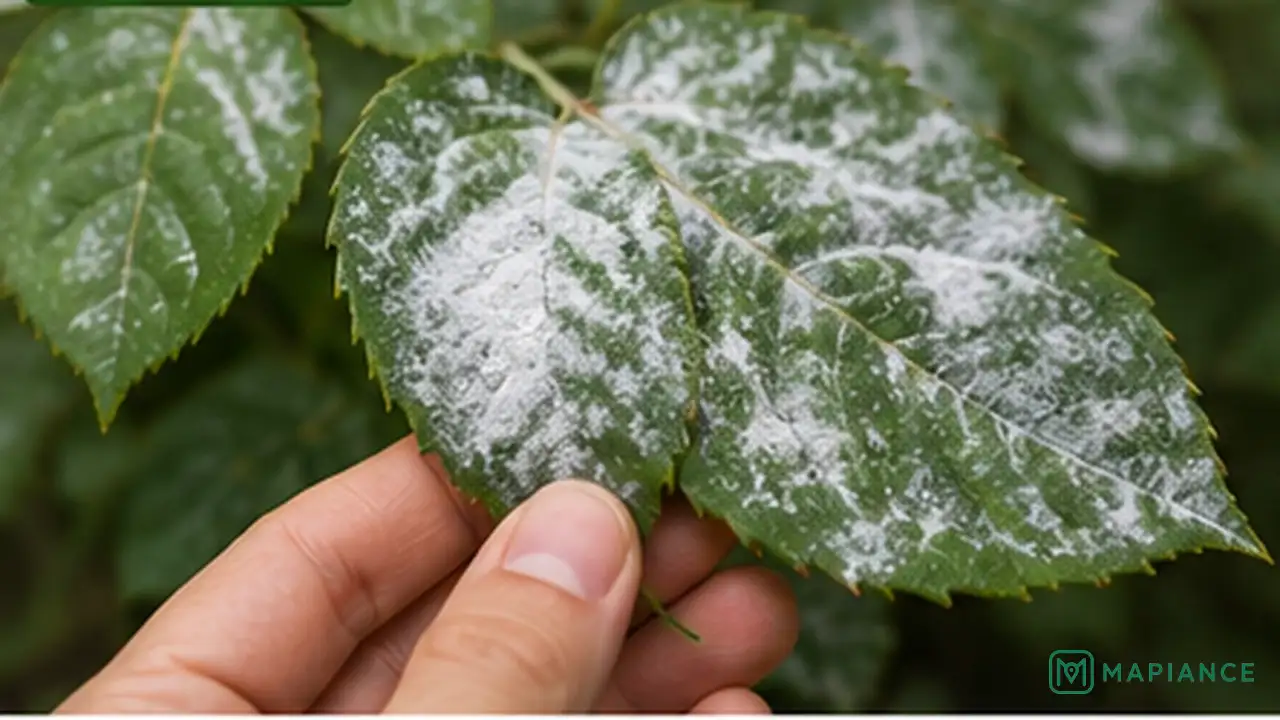
Confirm It Is Powdery Mildew
Look for white or gray powdery patches on the upper or lower leaf surfaces, stems, buds, or flowers. The coating may begin as small round spots and spread across larger areas. Check several leaves before treating the plant, because dust, mineral residue, and other diseases can look similar. If the white growth is clearly part of the leaf surface and keeps expanding, powdery mildew is likely.
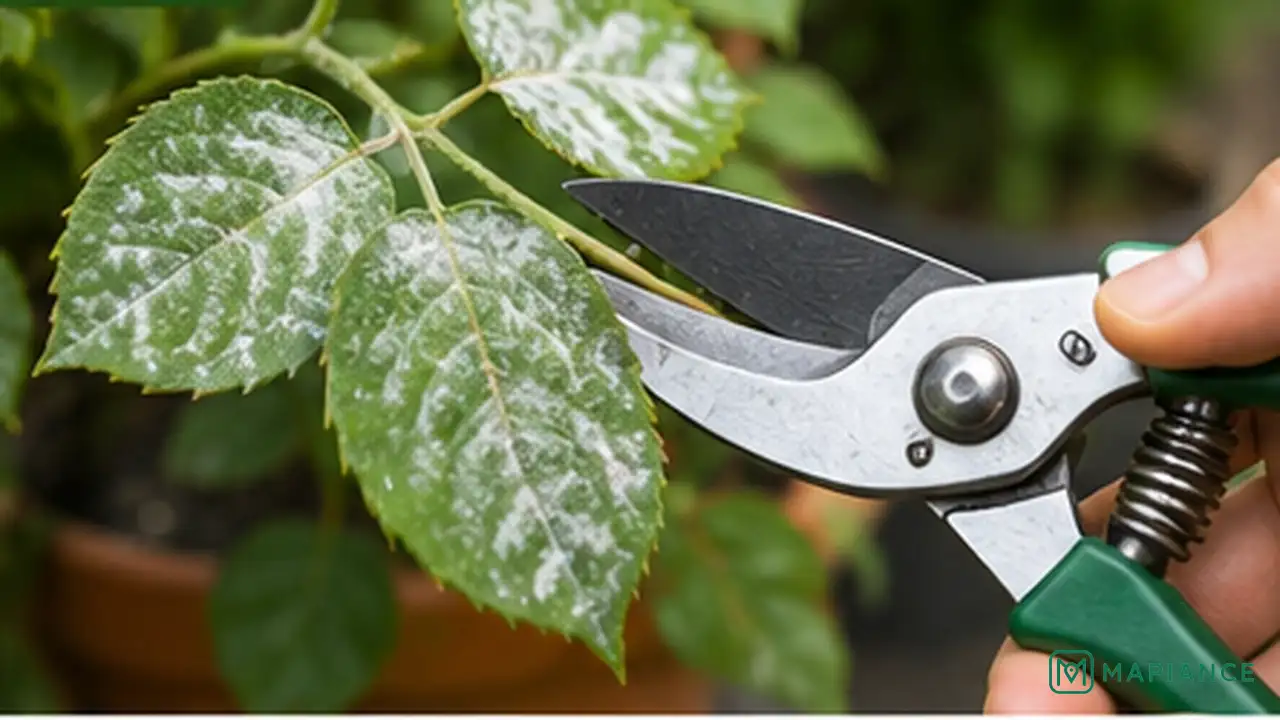
Remove Heavily Infected Growth
Use clean pruning shears or scissors to remove leaves, flowers, or shoots that are heavily covered with mildew, especially when the infection is still limited to a small part of the plant. Put the infected material directly into a bag or garden waste container instead of leaving it beneath the plant. Avoid removing so much foliage that the plant is left weak or bare.
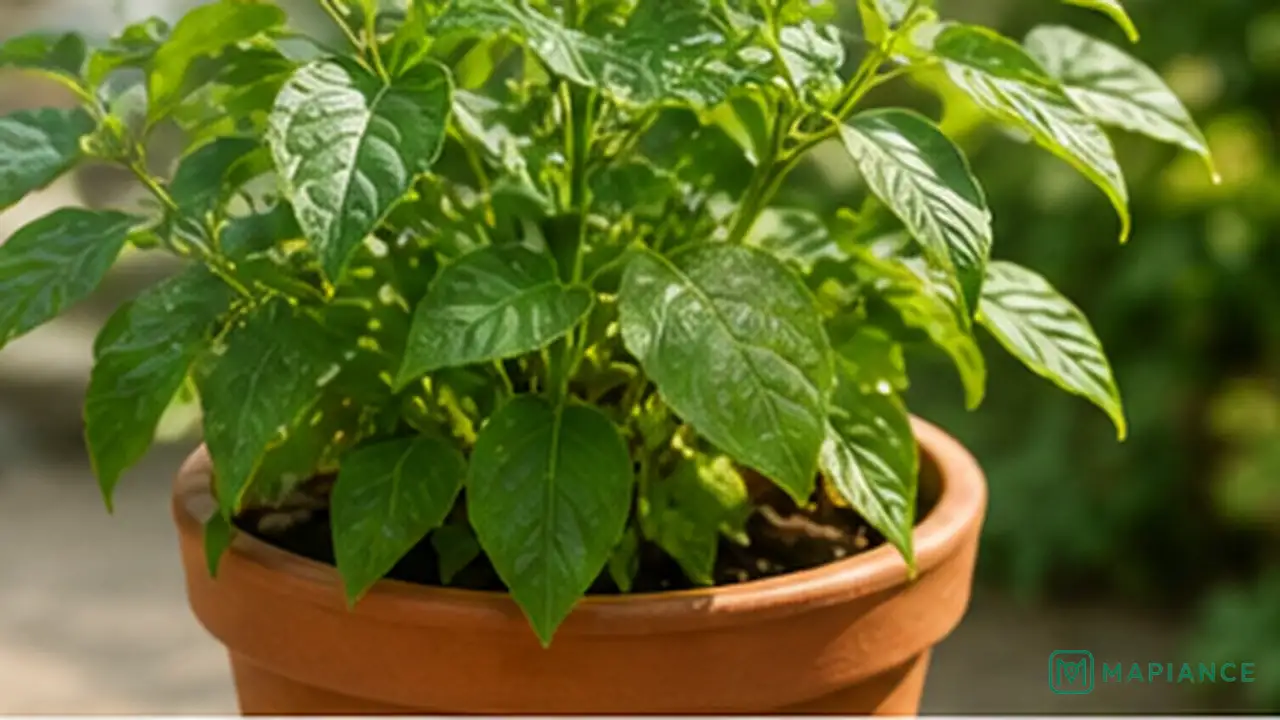
Improve Light and Airflow
Move potted plants farther apart and place them where they receive the amount of sunlight recommended for that species. For garden plants, thin crowded growth or nearby vegetation enough to let air move around the leaves. Avoid pushing plants together against walls or dense foliage. Better light and airflow make conditions less favorable for repeated mildew growth.
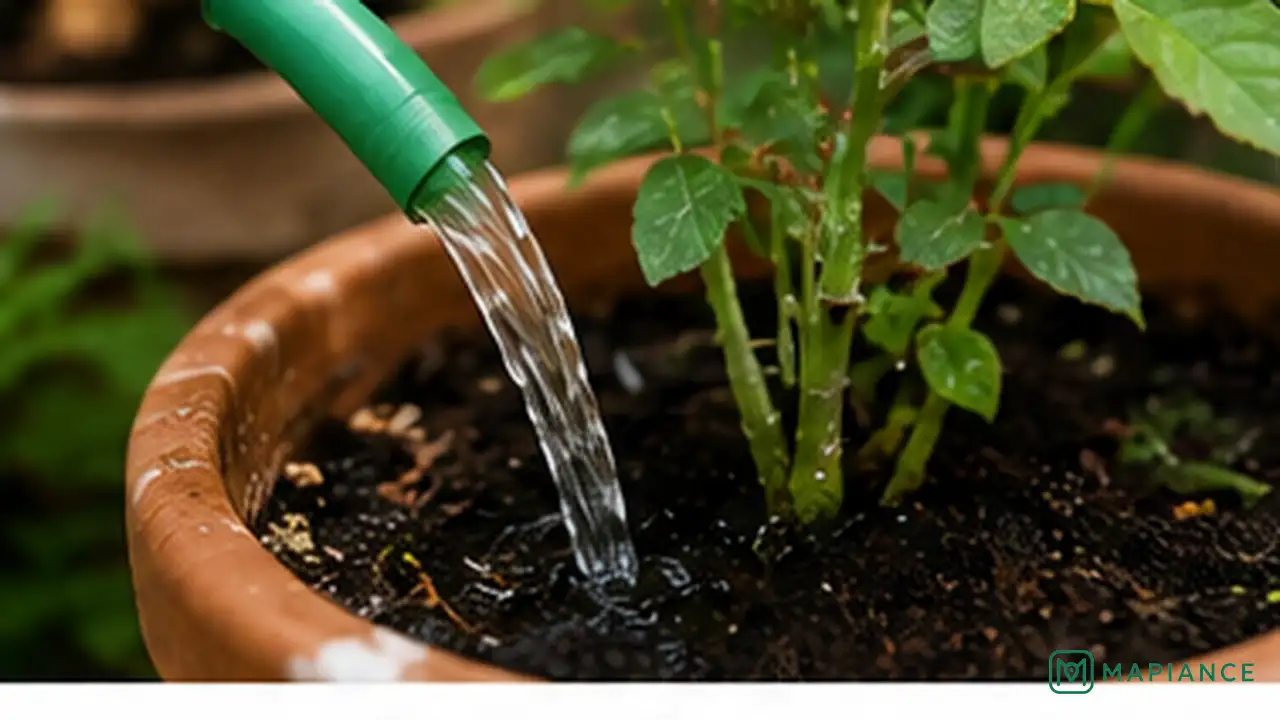
Keep the Plant Growing Steadily
Water the plant according to its normal needs so it does not become drought-stressed, and avoid applying excessive high-nitrogen fertilizer. Too much nitrogen can produce soft, dense new growth that is especially susceptible to powdery mildew. Keep fallen infected leaves and other plant debris cleared from around the plant so old diseased material does not remain in the growing area.
Use a Labeled Fungicide if Needed
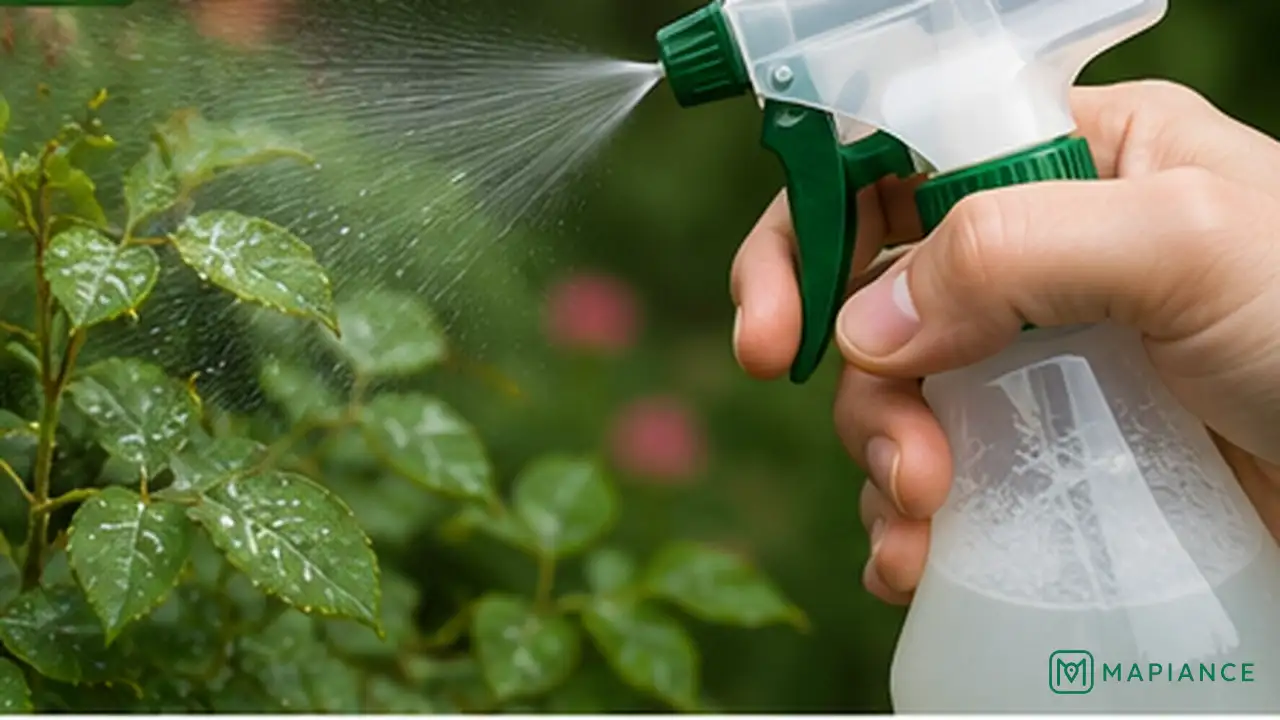
If mildew continues spreading, choose a fungicide specifically labeled for powdery mildew and approved for the plant you are treating. Products may contain ingredients such as horticultural oil, sulfur, potassium bicarbonate, or biological fungicides. Follow the label for mixing, coverage, repeat applications, protective equipment, and harvest restrictions on edible plants. Do not combine sulfur and horticultural oil or use them too close together unless the product labels specifically allow it, because the combination can injure foliage.
Monitor New Growth
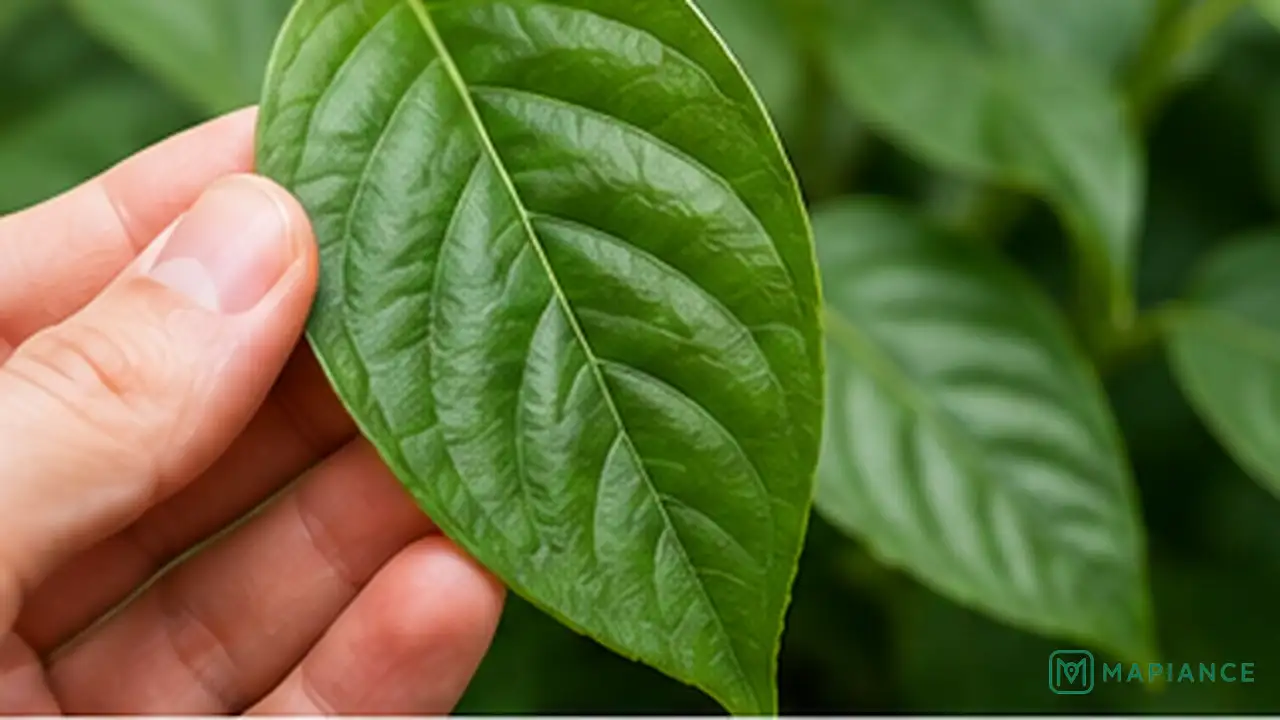
Check the plant every few days for fresh white patches, especially on new leaves and shoots. Powdery mildew is easier to manage when new infections are caught early. Continue improving airflow and removing newly infected tissue when practical, and repeat any fungicide only at the interval stated on its label. New leaves that remain clean are a better sign of control than old damaged leaves, which may not return to a perfect appearance.
Tips & common mistakes
Tips for best results
- Choose powdery mildew-resistant plant varieties when they are available, especially if the disease returns every year.
- Give susceptible plants enough space when planting so mature foliage does not become tightly crowded.
- Watch young shoots closely because powdery mildew is easier to manage before it covers large areas of the plant.
- If you use a spray treatment, test it on a small part of a sensitive plant first when the product label recommends a test.
- Treat edible plants only with products specifically labeled for that crop and follow any stated waiting period before harvest.
Common mistakes
- Treating every white mark as powdery mildew can lead to unnecessary spraying; confirm that the powdery growth is actually developing on the plant tissue.
- Removing too much foliage at once can weaken the plant even though the infected leaves are gone; prune the worst growth first and preserve healthy leaves.
- Crowding plants after treatment leaves the same shaded, poorly ventilated conditions that helped the disease spread.
- Applying extra nitrogen fertilizer to make an infected plant grow faster can produce soft new growth that is more vulnerable to mildew.
- Using homemade mixtures or combining fungicides without checking compatibility can burn or damage leaves.
- Applying horticultural oil close to a sulfur treatment can injure plants; follow both product labels carefully and respect the required interval.
Frequently asked questions
Will powdery mildew kill my plant?
Many plants survive mild powdery mildew, but heavy infection can weaken growth, distort new leaves, reduce flowering or fruiting, and cause early leaf drop.
Does powdery mildew spread to other plants?
Powdery mildew spores can spread by air, but different powdery mildew fungi often infect only certain plant species or related groups. Nearby susceptible plants should still be monitored.
Should I remove every leaf with powdery mildew?
No. Remove heavily infected leaves when the disease is limited, but avoid stripping most of the foliage from the plant. Healthy leaves are still important for recovery.
Can I use baking soda for powdery mildew?
Homemade baking soda mixtures can damage some plants and are less predictable than registered products. A fungicide labeled for powdery mildew and your specific plant is the safer choice.
Why does powdery mildew keep coming back?
Recurring mildew often means the plant is highly susceptible or the growing conditions still favor the disease. Crowding, shade, susceptible varieties, excess nitrogen, and untreated new growth can all contribute.
Can I eat vegetables or fruit from a plant treated for powdery mildew?
Only use treatments labeled for that edible crop and follow the product's harvest interval and washing instructions. Do not assume a product is food-safe because it is sold for garden use.
Written by Mapiance Editorial Team
The Mapiance Editorial Team researches, writes, reviews, and maintains practical guides and explainers for MAPIANCE.
Published Aug 29, 2026 · Updated Sep 28, 2026