 MAPI
MAPIHow to Hang Curtains Without Drilling
Curtains can be installed without drilling when the support system matches the window shape, wall surface, and curtain weight. Tension rods work well inside many window recesses, while clamp-style or adhesive systems can work when there is not enough space inside the frame. The key is to stay within the product's weight limit, prepare the mounting surface properly, and test the setup before relying on it long term.
Choose a no-drill method that fits your window and curtain weight, such as a tension rod inside the frame, clamp-style brackets on an existing frame, or removable adhesive hooks for lightweight curtains. Measure carefully, clean the mounting surface, install the supports evenly, then hang and test the curtain before leaving it in place.
Things you'll need
- Tape measure
- Curtain rod or no-drill support system
- Curtains that fit the support system
- Clean microfiber cloth
- Mild cleaner if using adhesive mounts
- Small level or measuring guide
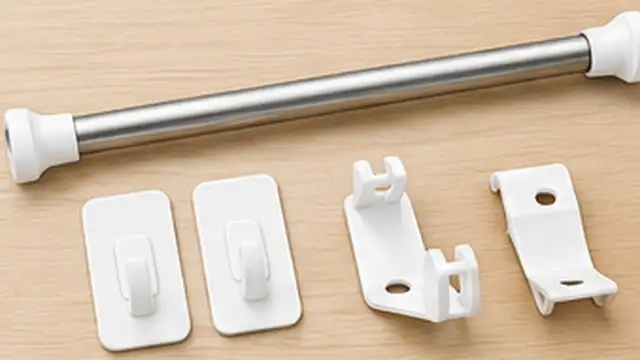
Choose the right no-drill method
Match the support system to your window and curtain weight. A tension rod is useful when the curtain can sit inside a window recess. No-drill clamp brackets can work on compatible frames, while removable adhesive hooks are best reserved for lightweight rods and curtains. Check the product's mounting requirements and weight limit before you buy or install anything.
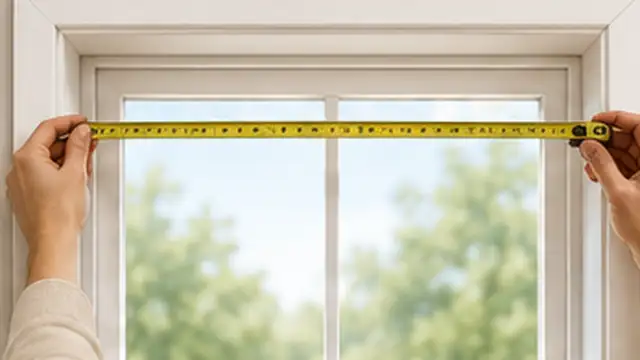
Measure the window carefully
Measure the width of the window recess or the area where the rod will sit. For a tension rod, measure inside the frame from one side to the other. For hooks or brackets outside the frame, mark equal heights on both sides so the curtain will hang level. Also check that the curtain length will clear the floor, sill, radiator, or furniture.
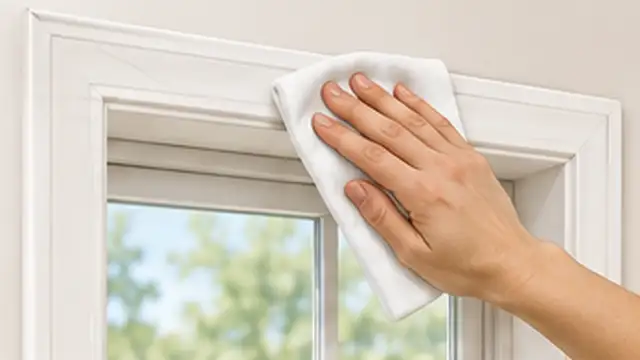
Prepare the mounting area
Wipe the window frame or wall area so it is free of dust and grease. If you are using adhesive hooks, follow the manufacturer's surface-cleaning instructions and let the area dry completely before applying them. Avoid placing adhesive mounts on loose paint, wallpaper, rough masonry, or other surfaces the product does not approve.
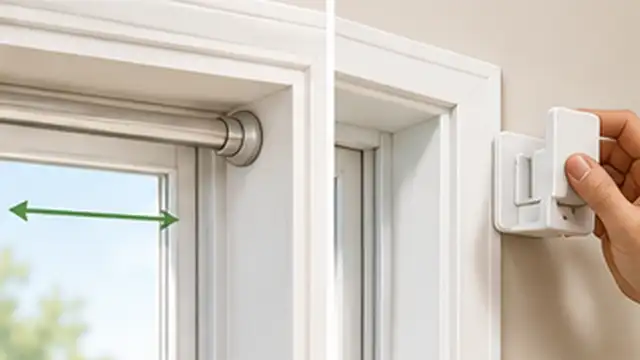
Install the no-drill supports
Fit the tension rod firmly between the sides of the window recess, or attach the no-drill brackets or hooks according to their instructions. Keep both sides at the same height and make sure each support is fully seated. If the product requires adhesive curing time before loading, wait for the full recommended period before hanging the rod or curtains.
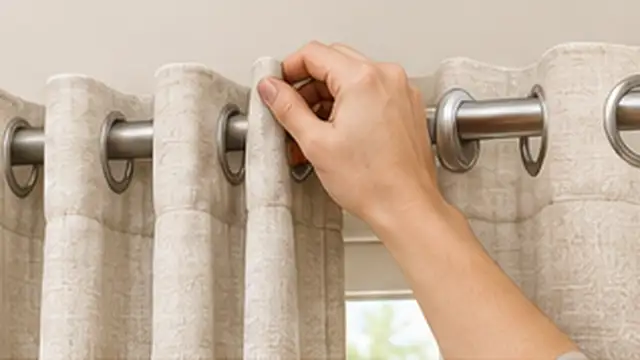
Hang the curtains and distribute the weight
Thread the curtain onto the rod or attach the curtain rings, then place the rod on the supports. Spread the fabric evenly so most of the weight is not concentrated on one side. For adhesive or lightweight systems, avoid heavy blackout curtains unless the support is specifically rated for them.
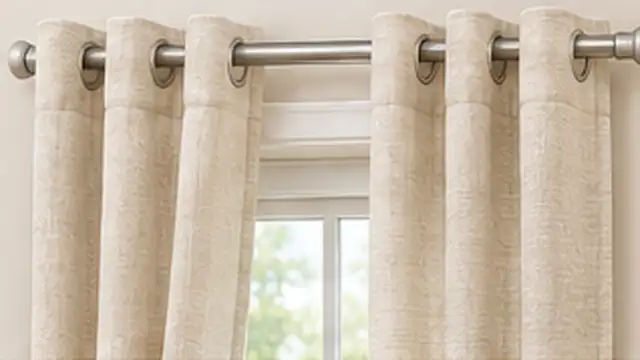
Test the setup before leaving it
Open and close the curtains several times while watching the rod and supports. Check that the rod does not slip, bow, or pull away from the surface. If anything moves, reduce the curtain weight, tighten or reposition the support, or switch to a stronger no-drill system. Recheck adhesive mounts occasionally, especially in humid or very warm rooms.
Tips & common mistakes
Tips for best results
- Use the lightest curtain fabric that gives you the privacy or light control you need when relying on removable supports.
- A tension rod usually works best when both sides press against firm, flat surfaces inside the window recess.
- Keep adhesive mounts away from flaky paint, wallpaper seams, and textured surfaces unless the manufacturer approves them.
- If you need blackout curtains, choose a no-drill system specifically rated for the combined rod and curtain weight.
- Measure twice before placing adhesive supports because repositioning them can reduce adhesion or require new strips.
Common mistakes
- Ignoring the weight limit: A rod or adhesive hook can fail if the curtains and hardware are heavier than the system allows.
- Installing adhesive hooks on dusty or greasy surfaces: Poor surface preparation can cause the mount to release.
- Using a tension rod in a weak or uneven recess: The rod needs firm contact on both sides to stay secure.
- Hanging the curtains before adhesive has cured: Loading the support too soon can weaken the bond.
- Forcing a rod that is too long into the opening: Excessive pressure can damage the frame or make the rod bow.
Frequently asked questions
What is the easiest way to hang curtains without drilling?
A tension rod is often the simplest option when the window has a suitable recess and the curtains are light enough. It installs by pressure between the sides of the frame.
Can adhesive hooks hold curtain rods?
Some removable hooks and adhesive curtain supports can hold lightweight rods and curtains, but you must stay within the product's weight rating and use them only on approved surfaces.
Can I hang blackout curtains without drilling?
Yes, but blackout curtains can be heavy. Use a no-drill rod or bracket system specifically rated for the total weight rather than relying on small general-purpose adhesive hooks.
Will tension rods damage a window frame?
They can leave marks or damage weak finishes if they are overtightened. Use only enough pressure to keep the rod secure and place it against firm, clean surfaces.
Are no-drill curtain methods renter-friendly?
They can be, especially tension rods and removable systems designed for clean removal. Always follow the product instructions and check your lease if you are unsure about allowed wall or window modifications.
Written by Mapiance Editorial Team
The Mapiance Editorial Team researches, writes, reviews, and maintains practical guides and explainers for MAPIANCE.
Published Aug 23, 2026 · Updated Sep 25, 2026