 MAPI
MAPIHow to Remove Pet Urine Odor From Carpet
Pet urine odor can remain after the visible stain is gone because urine can soak below the carpet surface. The most useful treatment is usually an enzymatic cleaner made for pet urine, because it is designed to break down the odor-causing residue instead of only covering the smell. Work gently, avoid mixing cleaning products, and keep pets away from the treated area until it is fully dry.
Blot up fresh urine first, then apply a carpet-safe enzymatic pet urine cleaner according to its label. Let it work for the full recommended time, blot or extract excess moisture, and allow the carpet to dry completely before checking for any remaining odor.
Things you'll need
- Disposable gloves
- White absorbent towels or paper towels
- Carpet-safe enzymatic pet urine cleaner
- Clean water if the product instructions call for it
- Fan for faster air drying
- Wet vacuum or carpet extractor if suitable for your carpet
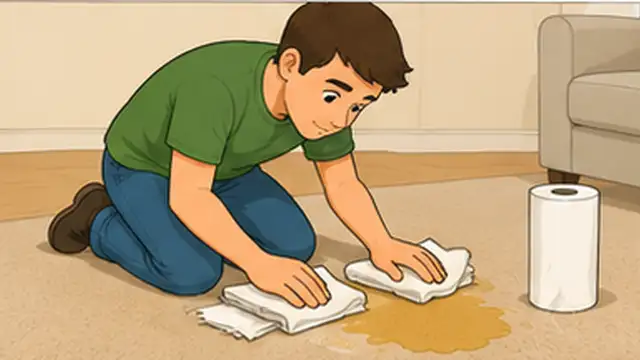
Blot up as much urine as possible
If the spot is still wet, place white absorbent towels over it and press firmly to pull moisture out of the carpet. Replace the towels and repeat until they come away only slightly damp. Do not scrub, because rubbing can spread the urine and push it deeper into the fibers.
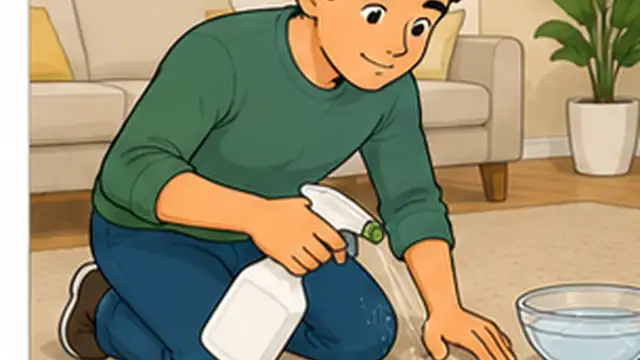
Check the carpet and test the cleaner
Read the carpet care instructions and the cleaner label before treating the stain. Test the product on a small hidden area first and let it dry so you can check for color change or damage. Use only a cleaner that is suitable for your carpet type.
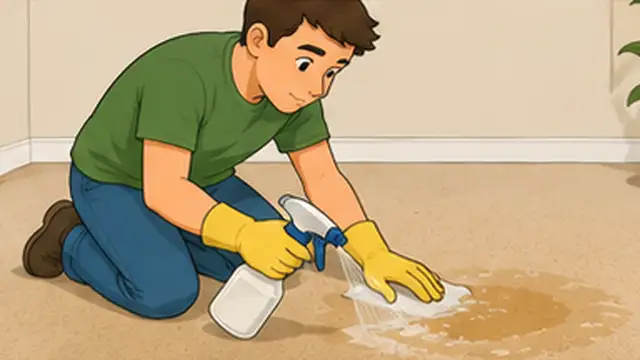
Apply an enzymatic pet urine cleaner
Apply the enzymatic cleaner to the affected area according to the product label. Use enough to reach the carpet fibers that absorbed the urine, but do not flood the carpet unnecessarily. Keep other cleaners away from the area because mixing products can be unsafe and may stop the enzyme cleaner from working properly.
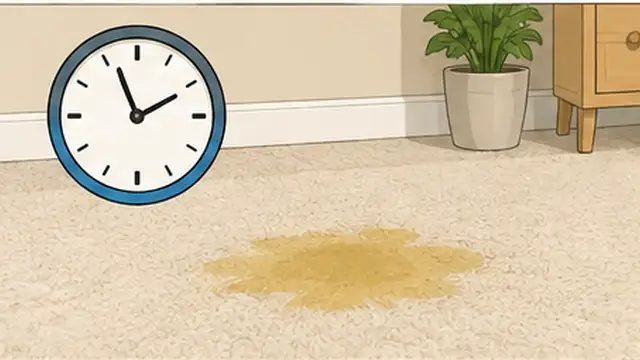
Let the cleaner work for the full time
Leave the treated area undisturbed for the full contact time listed on the cleaner. Keep children and pets away while the carpet is wet. Do not rush this step, because enzyme products need time to break down the urine residue that causes the smell.
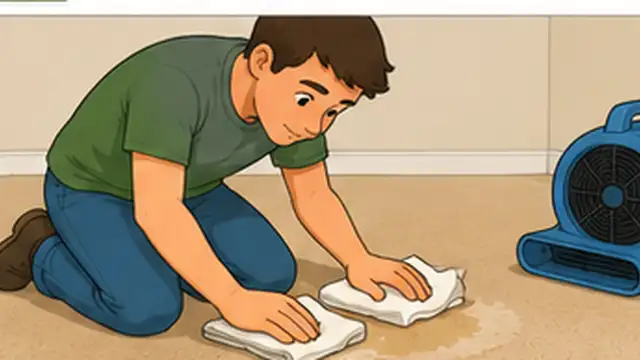
Blot or extract the excess and dry the carpet
Follow the product instructions for removing excess moisture. Blot with clean towels or use a suitable wet vacuum or carpet extractor if allowed for your carpet. Then let the area air-dry completely, using a fan if needed. Do not judge the final odor while the carpet is still damp.

Check for odor again after the carpet is dry
Once the carpet is completely dry, smell the area again from close range. Repeat the enzyme treatment if a mild odor remains. If the smell returns strongly or covers a large area, urine may have reached the carpet pad or subfloor, and professional cleaning or replacement of contaminated material may be needed.
Tips & common mistakes
Tips for best results
- Treat fresh accidents as soon as possible because less urine has time to soak into the carpet pad.
- Use white towels so you can see how much moisture is being removed and avoid transferring fabric dye to the carpet.
- Keep the pet away from the area until the carpet is completely dry and the cleaner label says it is safe.
- For repeated accidents in the same place, check whether the odor has reached the carpet padding underneath.
- Clean any nearby baseboard or hard surface if urine splashed beyond the carpet.
Common mistakes
- Scrubbing the wet spot: This can spread urine through a larger section of carpet and damage the pile.
- Using perfume or deodorizer alone: Fragrance may cover the smell for a short time without removing the urine residue.
- Mixing cleaning products: Combining enzyme cleaner with bleach, disinfectants, or other cleaners can be unsafe and may reduce cleaning performance.
- Using too much liquid: Flooding the area can push contamination deeper and make the carpet harder to dry.
- Checking the smell before the carpet is dry: Damp carpet and cleaner can temporarily change the odor, so wait until the area is fully dry.
Frequently asked questions
What type of cleaner works best for pet urine odor in carpet?
A carpet-safe enzymatic cleaner made specifically for pet urine is usually the best choice because it is designed to break down the odor-causing residue.
Can I use baking soda on pet urine odor?
Baking soda may absorb some surface odor, but it does not replace an enzyme treatment for urine residue in the carpet. Use it only if your carpet care instructions allow it.
Why does the urine smell come back after the carpet dries?
Urine may have soaked into the carpet backing, pad, or subfloor. Moisture or humidity can make the remaining residue smell noticeable again.
Should I use hot water or steam on pet urine stains?
Avoid high heat unless your carpet manufacturer and cleaning product specifically recommend it. Start with the method on the enzyme cleaner label and use the gentlest suitable approach.
When should I call a professional carpet cleaner?
Professional help is useful when the odor covers a large area, keeps returning after repeated treatment, or has soaked into the carpet pad or flooring underneath.
Written by Mapiance Editorial Team
The Mapiance Editorial Team researches, writes, reviews, and maintains practical guides and explainers for MAPIANCE.
Published Aug 24, 2026 · Updated Oct 2, 2026