 MAPI
MAPIHow to Remove Sticker Residue From Different Surfaces
Sticker adhesive behaves differently on glass, plastic, metal, finished wood, and fabric, so one cleaner is not suitable for every surface. The safest approach is to soften the residue first, use the mildest effective method, and test stronger options in a hidden spot. Work slowly so you remove the adhesive without scratching, staining, clouding, or stripping the surface.
Start with warm soapy water and gentle rubbing, then use a surface-safe method for any residue that remains. Avoid strong solvents until you have tested a hidden area because alcohol, oil, heat, and adhesive removers can damage some finishes and plastics.
Things you'll need
- Warm water
- Mild dish soap
- Microfiber cloths
- Plastic scraper or old plastic card
- Cotton swabs
- Isopropyl alcohol for compatible surfaces
- Small amount of cooking oil for compatible non-porous surfaces
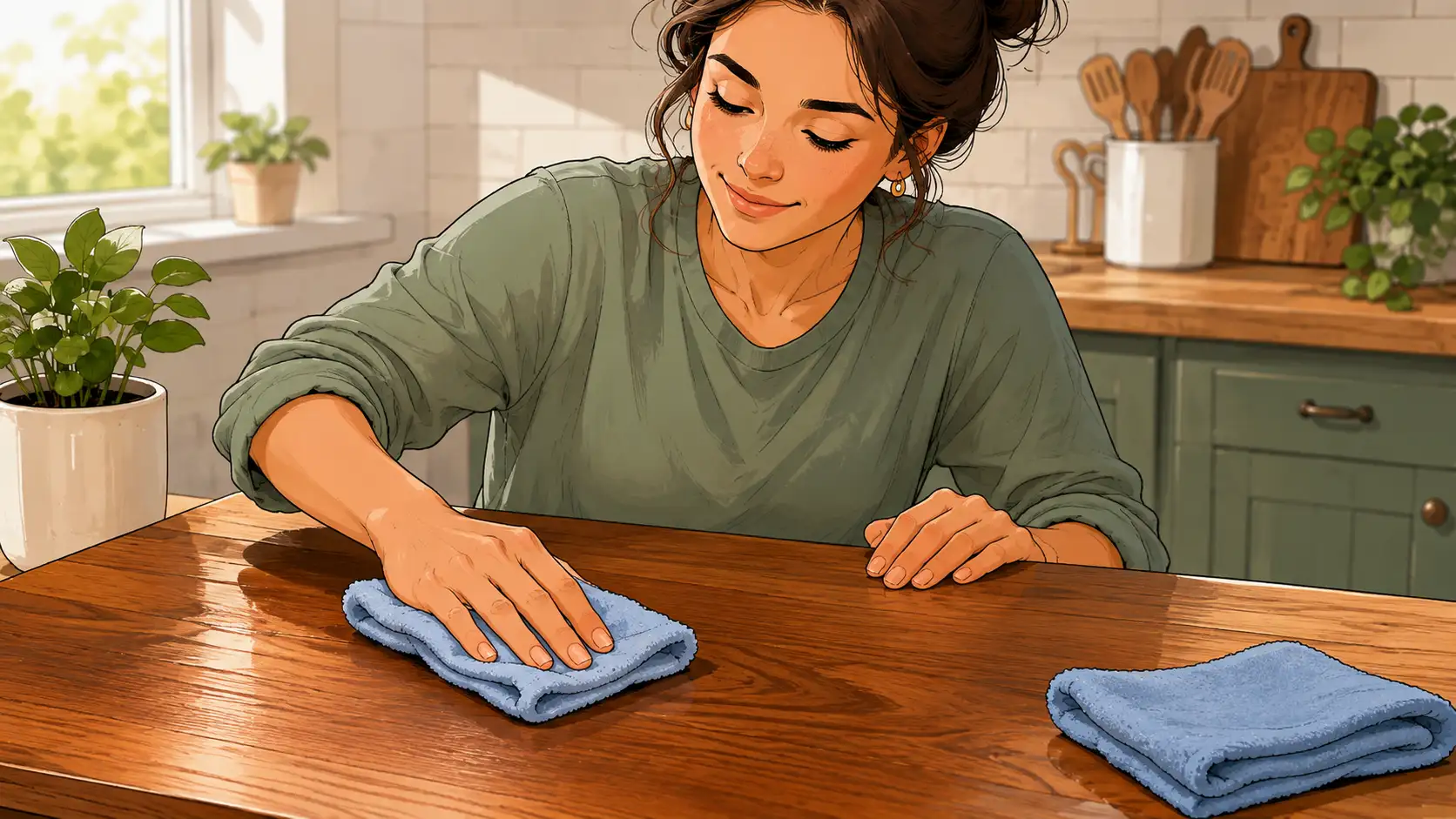
Start with the mildest method
Peel away as much of the sticker as you can with your fingers. Dampen a microfiber cloth with warm soapy water and hold it against the residue for a few minutes, then rub gently. Use a plastic card or plastic scraper for softened adhesive if needed. Before trying alcohol, oil, heat, or a commercial adhesive remover, test it on a hidden area.
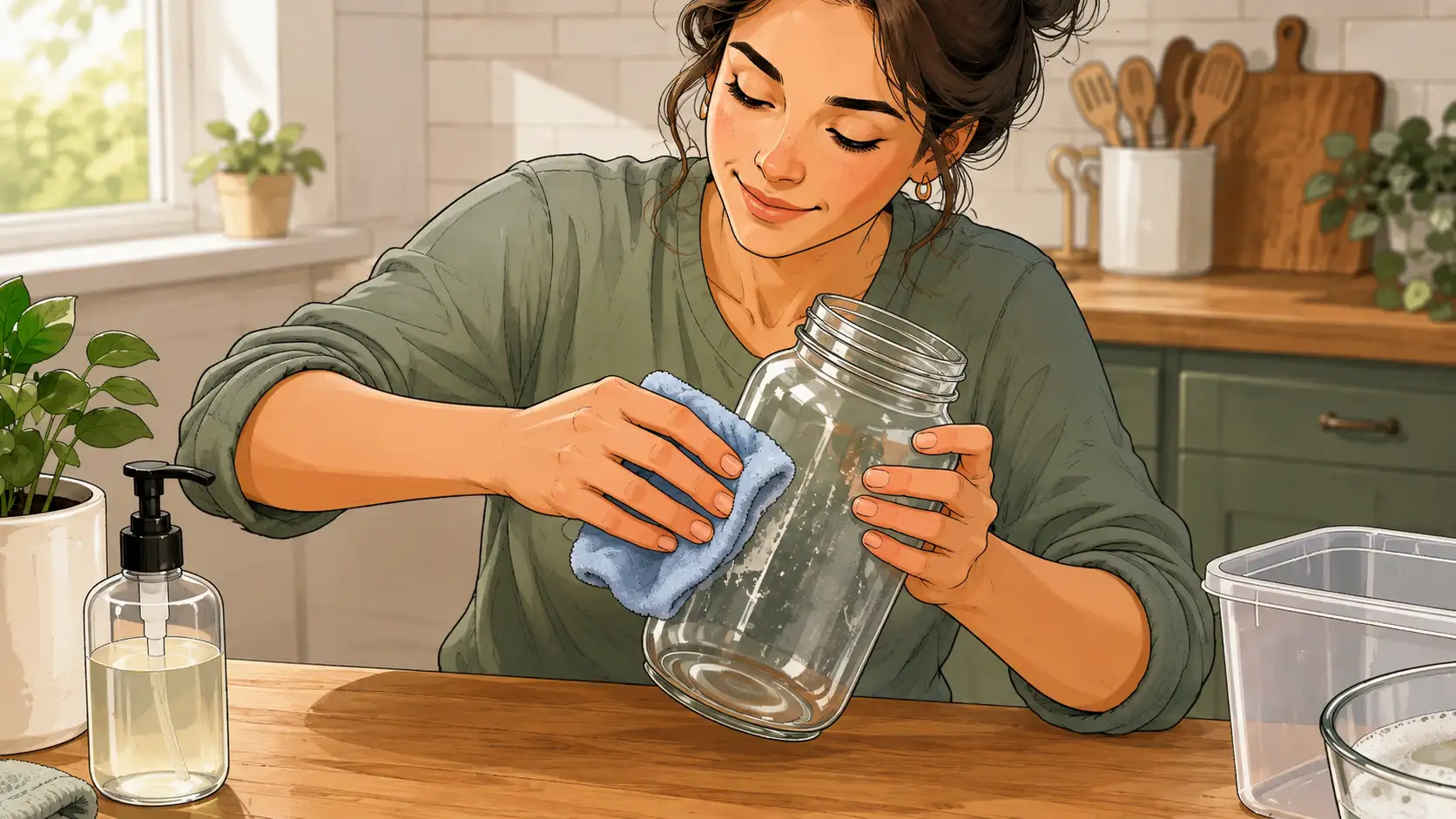
Remove residue from glass
For plain uncoated glass, start with warm soapy water and a plastic scraper. If sticky residue remains, dampen a cloth with a small amount of isopropyl alcohol and rub the adhesive until it releases. Wash the glass afterward with clean soapy water and dry it. Avoid metal blades on coated, tinted, mirrored, or specialty glass unless the manufacturer confirms they are safe.
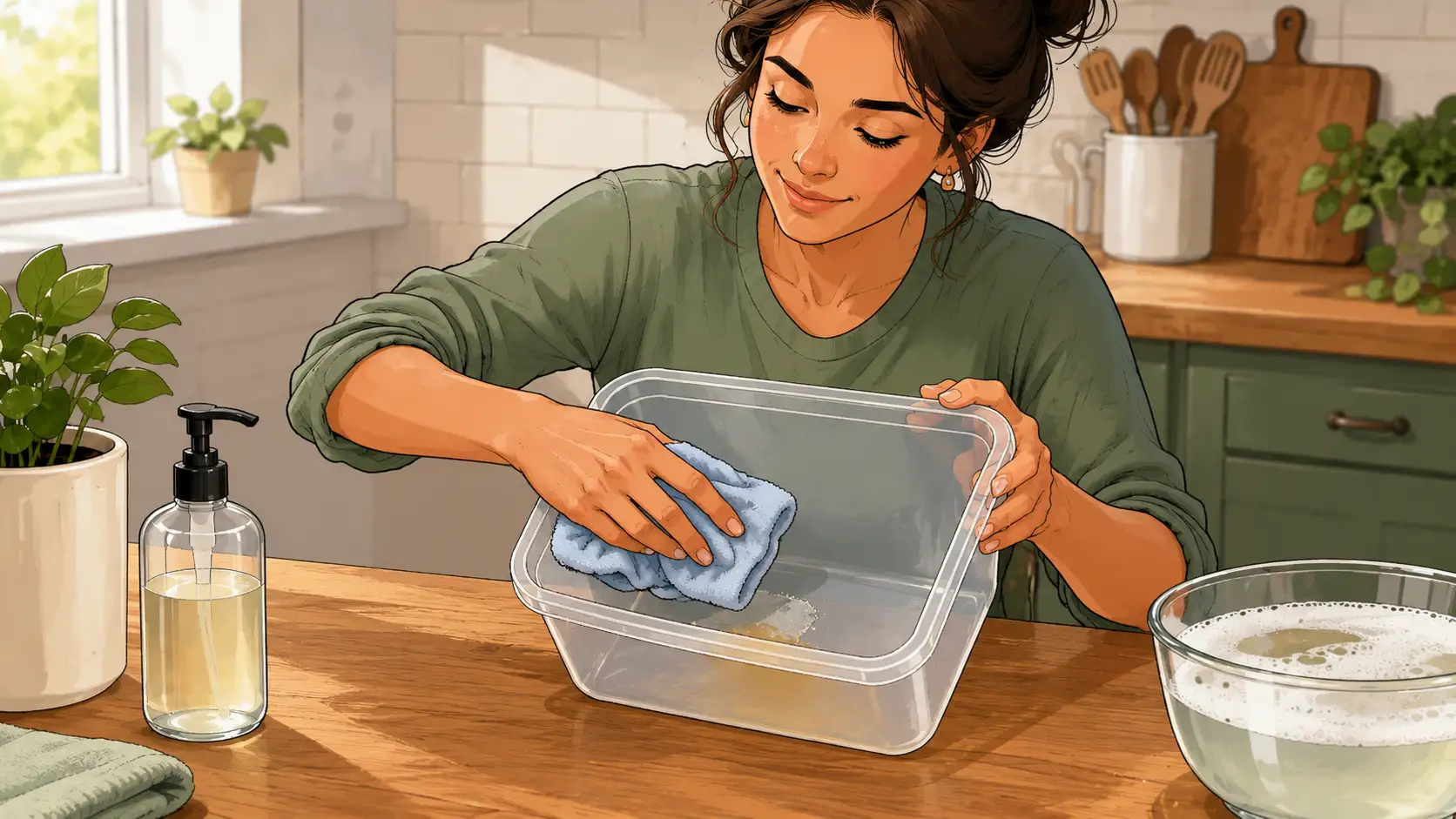
Clean residue from plastic
Use warm soapy water first and rub with a soft cloth. If the plastic is sturdy and non-porous, a tiny amount of cooking oil can help loosen stubborn adhesive; wipe it on, let it sit briefly, then wash the surface thoroughly with dish soap. Avoid acetone and test alcohol carefully because some plastics can cloud, soften, crack, or discolor.
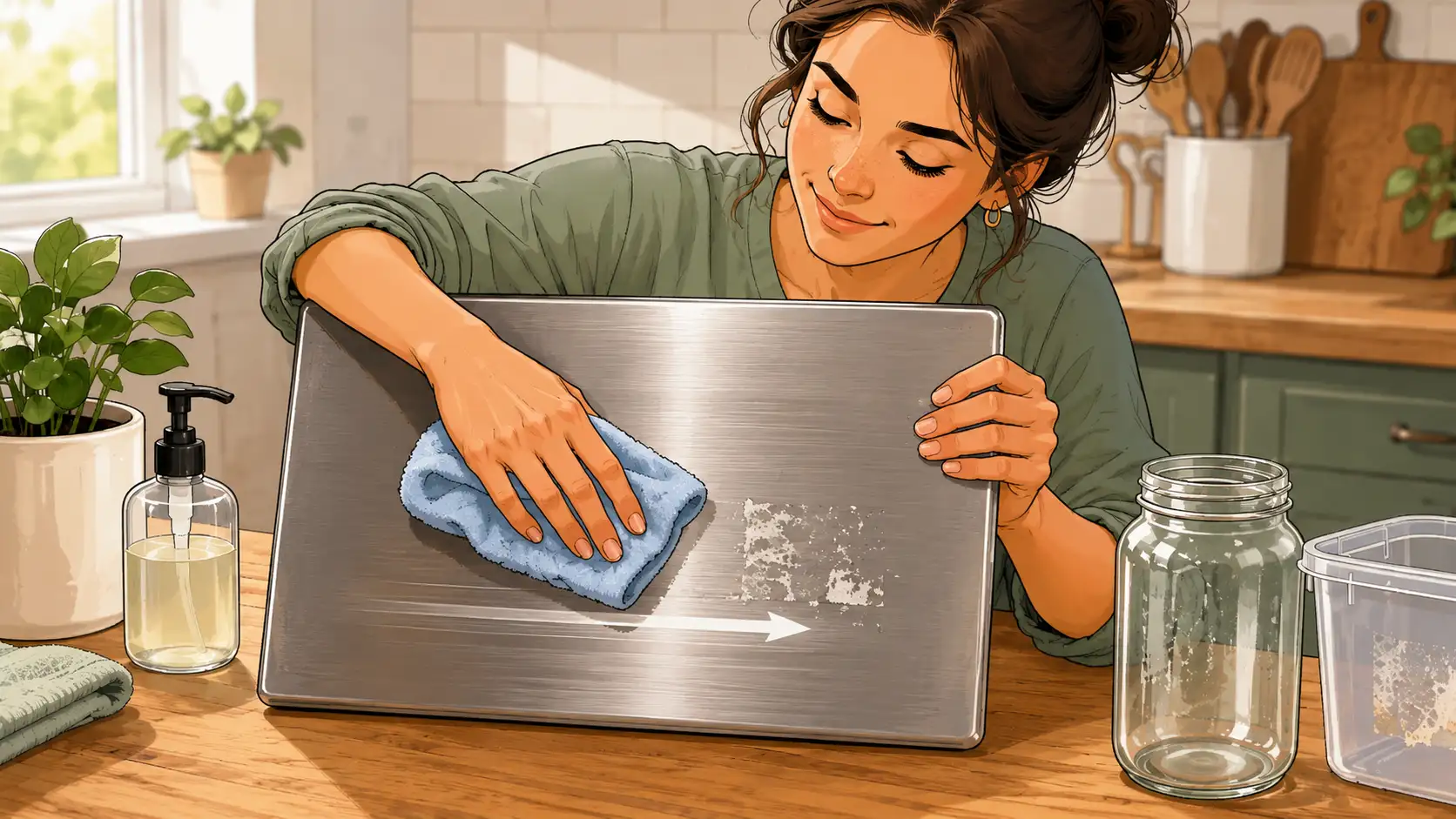
Clean residue from metal
On stainless steel or other finished metal, wipe with warm soapy water first. For residue that remains, use a small amount of isopropyl alcohol on a cloth if the finish tolerates it, and rub with the grain on brushed stainless steel. Rinse with a clean damp cloth and dry immediately. Avoid abrasive pads that can scratch polished or coated metal.
Protect finished wood
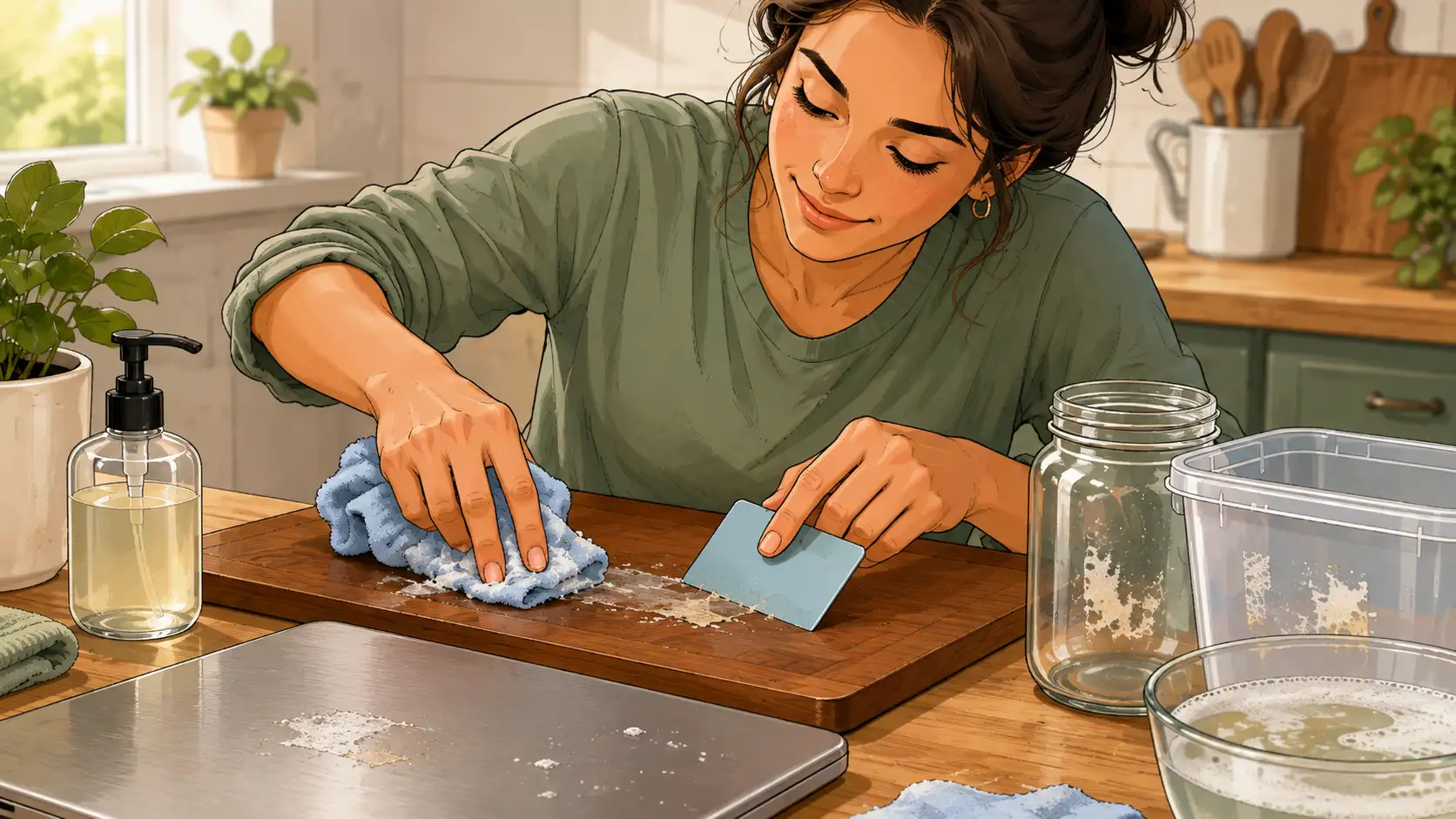
For painted, stained, varnished, or sealed wood, begin with a barely damp cloth and a drop of mild dish soap. Rub gently and dry the area immediately. Do not soak the wood. Avoid alcohol, acetone, strong adhesive removers, and oil unless the finish manufacturer says they are safe, because they can dull, soften, stain, or strip the finish.
Treat residue on washable fabric
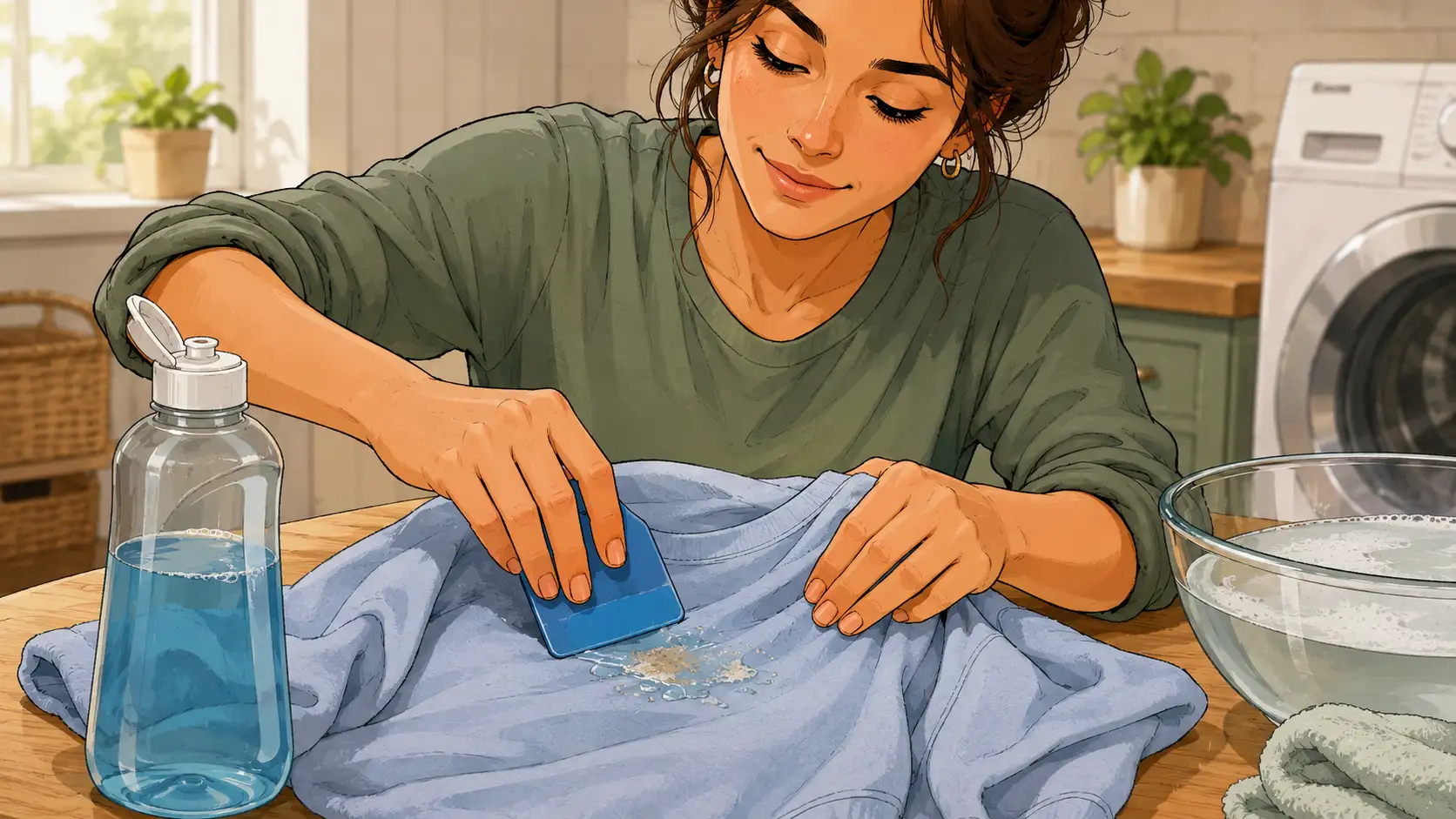
Check the fabric care label first. Gently lift off excess adhesive with a spoon edge or plastic card without spreading it. For washable fabric, apply a small amount of liquid laundry detergent to the sticky area, work it in gently, and wash according to the care label. Do not machine-dry the item until the residue is gone because heat can set remaining adhesive.
Tips & common mistakes
Tips for best results
- Remove stickers slowly rather than tearing them off quickly, which can leave more adhesive behind.
- A plastic scraper or old bank card is safer than a metal blade on most household surfaces.
- Use only a small amount of oil or solvent so it does not spread beyond the adhesive.
- Wash away oily residue with mild dish soap after the adhesive is gone.
- For electronics, screens, painted finishes, acrylic, leather, or valuable surfaces, follow the manufacturer's cleaning instructions before using any solvent.
Common mistakes
- Using the same solvent on every surface: Alcohol, acetone, oil, and adhesive removers can damage certain plastics, finishes, fabrics, and coatings.
- Scraping with metal tools: Blades and metal scrapers can scratch glass coatings, plastic, paint, wood finishes, and metal.
- Applying too much heat: High heat can warp plastic, soften finishes, or damage nearby components.
- Soaking finished wood: Excess moisture can swell wood, damage veneer, or leave marks in the finish.
- Machine-drying fabric before the residue is gone: Dryer heat can make remaining adhesive harder to remove.
Frequently asked questions
What is the safest first method for sticker residue?
Warm water with a small amount of mild dish soap is a good first choice for many washable, non-sensitive surfaces. Test any stronger method before using it widely.
Can rubbing alcohol remove sticker residue?
Yes on many compatible glass and metal surfaces, but it can damage some plastics, paints, coatings, and wood finishes. Test a hidden spot first.
Does cooking oil remove sticker adhesive?
A small amount of oil can soften adhesive on some non-porous surfaces, especially sturdy plastic or glass. Avoid it on porous materials that can stain, and wash the oily residue away afterward.
Can I use acetone or nail polish remover?
Acetone is a strong solvent that can damage many plastics, painted surfaces, finishes, and fabrics. Use a milder method unless the surface manufacturer specifically confirms acetone is safe.
How do I remove sticker residue from an unknown surface?
Start with warm soapy water and a soft cloth, then test any stronger cleaner on a small hidden area. Stop immediately if the surface changes color, texture, gloss, or softness.
Written by Mapiance Editorial Team
The Mapiance Editorial Team researches, writes, reviews, and maintains practical guides and explainers for MAPIANCE.
Published Aug 22, 2026 · Updated Sep 18, 2026