 MAPI
MAPIHow to Remove Sweat Stains From White Shirts
Yellow underarm stains usually build up from sweat, body oils, and antiperspirant residue. The safest approach is to treat the stain before washing, use products that match the care label, and avoid high heat until the mark has disappeared. Chlorine bleach is not the best first choice for these stains because it can damage some fabrics and may make yellowing more noticeable.
Rinse the stained area with cool water, work in a small amount of enzyme laundry detergent, and let it sit before washing. For stubborn yellow stains on washable white fabric, soak the shirt in an oxygen-based bleach solution that is safe for the fabric, then wash and air-dry until you are sure the stain is gone.
Things you'll need
- Cool water
- Enzyme laundry detergent
- Soft laundry brush or clean toothbrush
- Oxygen-based bleach safe for the fabric, if needed
- Basin or sink for soaking
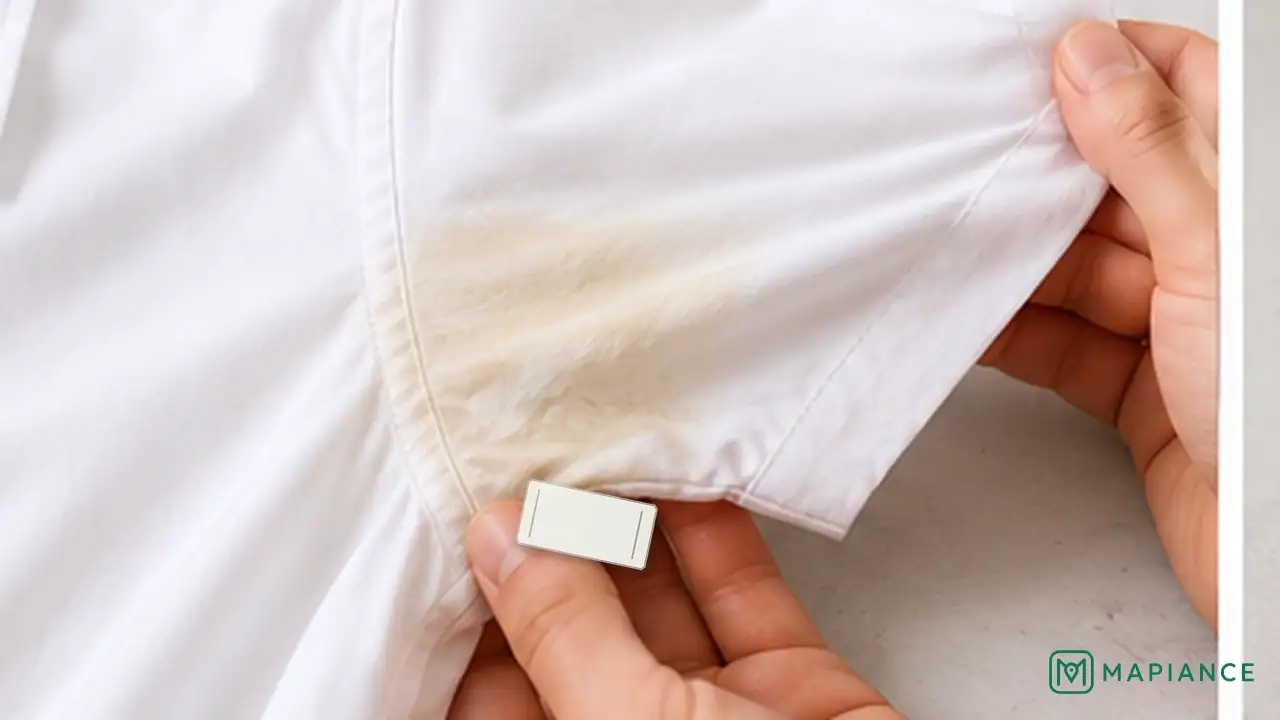
Check the Care Label
Read the shirt’s care label before treating the stain. The method below is intended for washable white cotton, linen, or similar colourfast fabrics. If the shirt is silk, wool, dry-clean-only, or has special trims, follow the care instructions instead of using a strong stain treatment. Test any new product on a hidden area if you are unsure how the fabric will react.
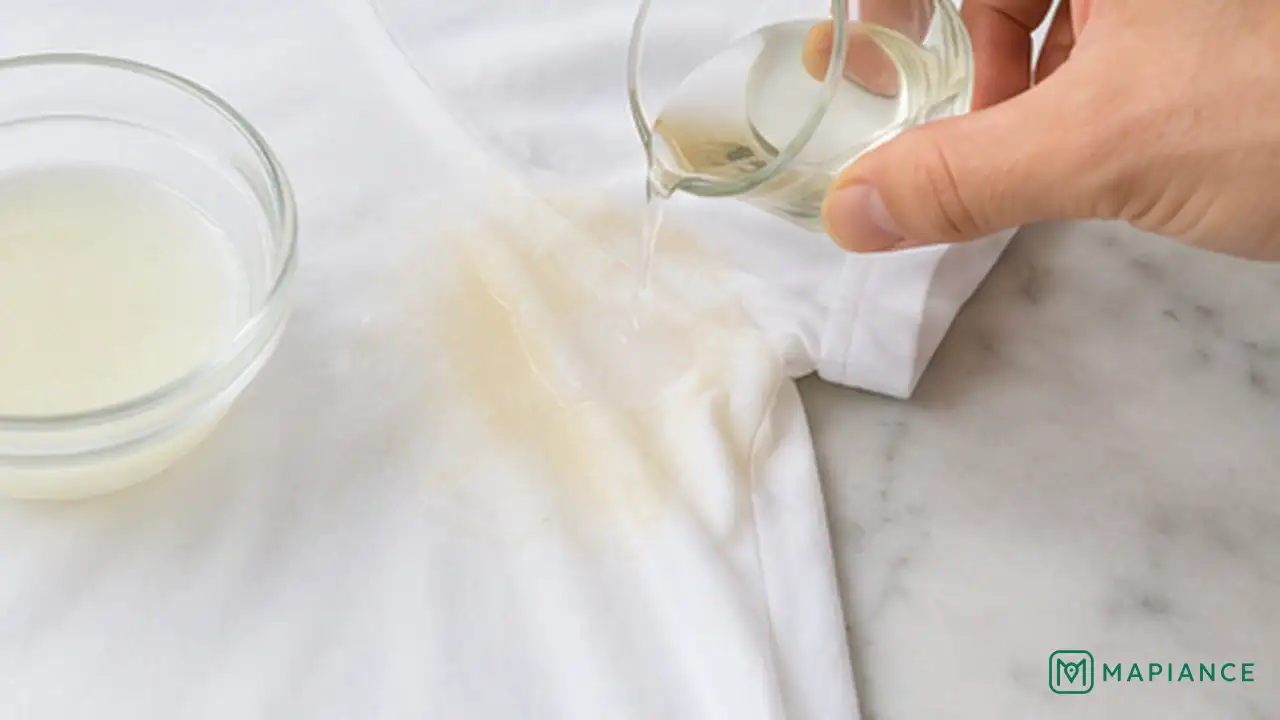
Rinse the Stain With Cool Water
Turn the shirt inside out and rinse the underarm area from the back of the fabric with cool running water. This helps push loose sweat, deodorant, and body-oil residue out of the fibres instead of driving it deeper into the shirt. Gently squeeze out excess water without twisting the fabric.
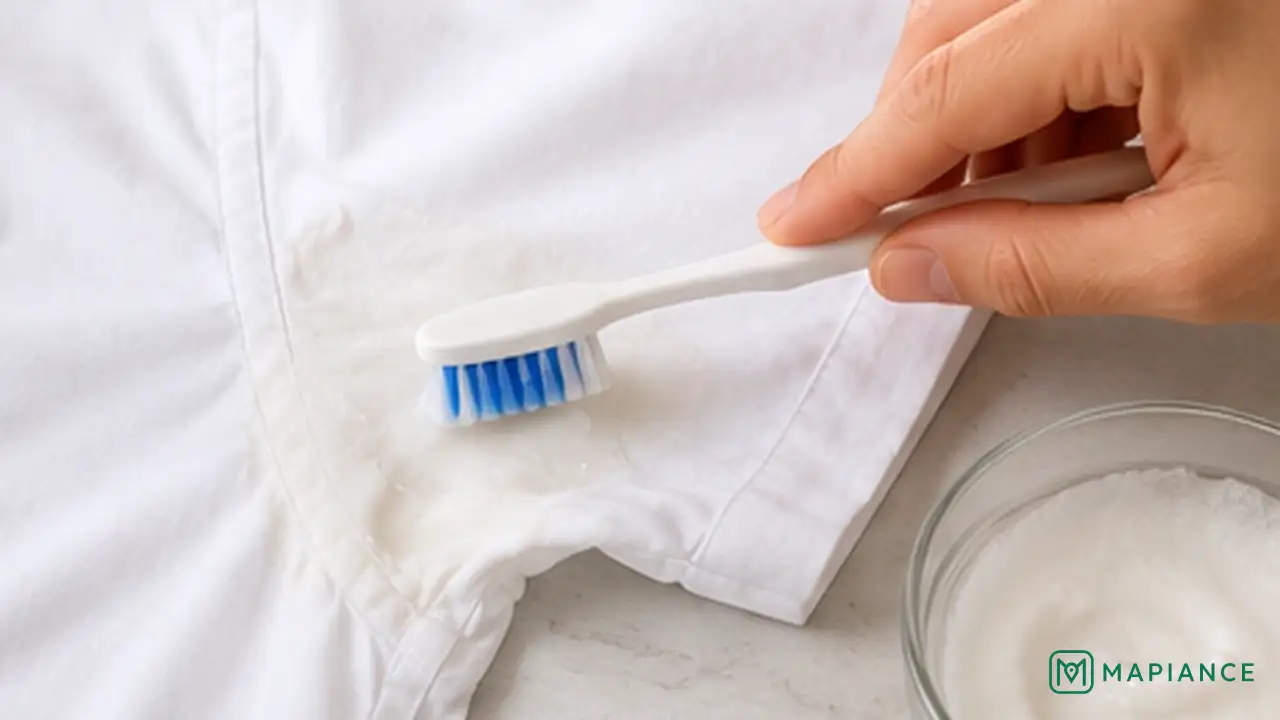
Pretreat With Laundry Detergent
Apply a small amount of enzyme laundry detergent directly to the damp stain. Work it gently into the fabric with your fingers or a soft laundry brush, concentrating on the yellow edge and any stiff deodorant buildup. Let the detergent sit for about 15 to 30 minutes, but do not let it dry completely on the shirt.
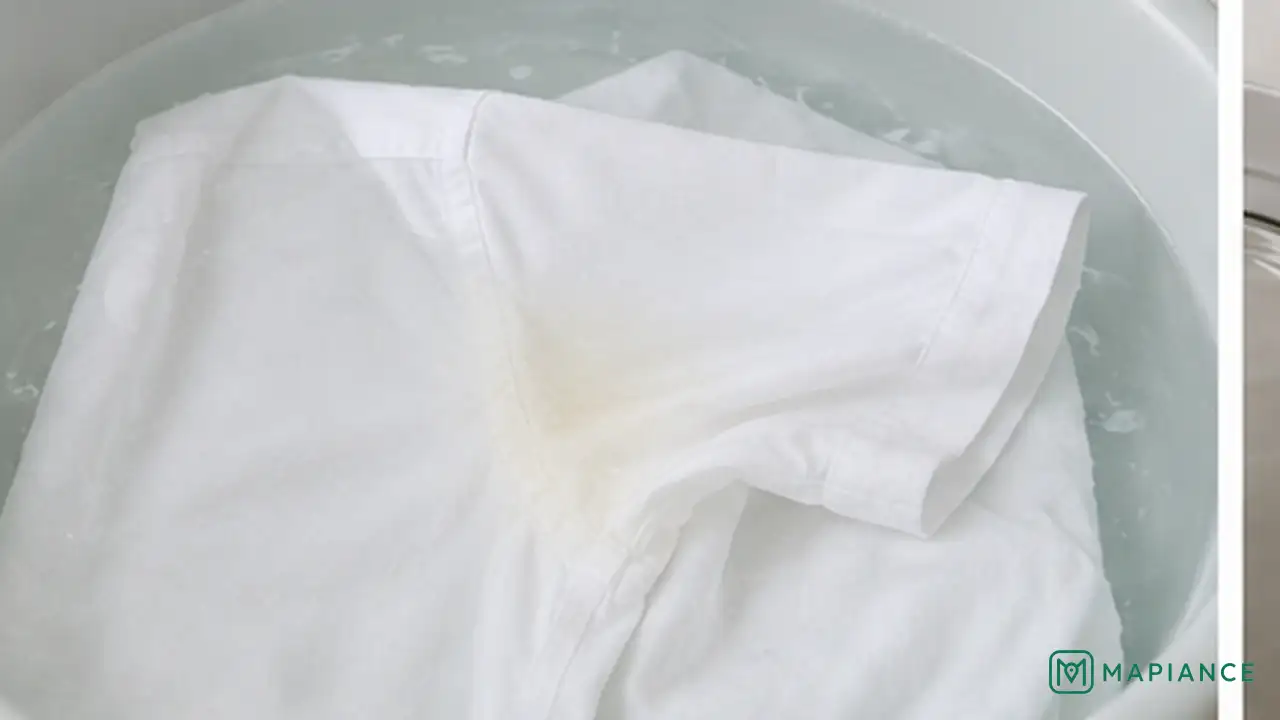
Soak Stubborn Yellow Stains
If an old stain remains, prepare an oxygen-based bleach soak according to the product label and the shirt’s care instructions. Fully wet the stained section and soak it for the recommended time. Oxygen bleach is usually a better option than chlorine bleach for washable white shirts with sweat marks, but it still needs to be compatible with the fabric. Never mix laundry bleach products with ammonia, vinegar, or other cleaners.
Wash at the Safe Temperature
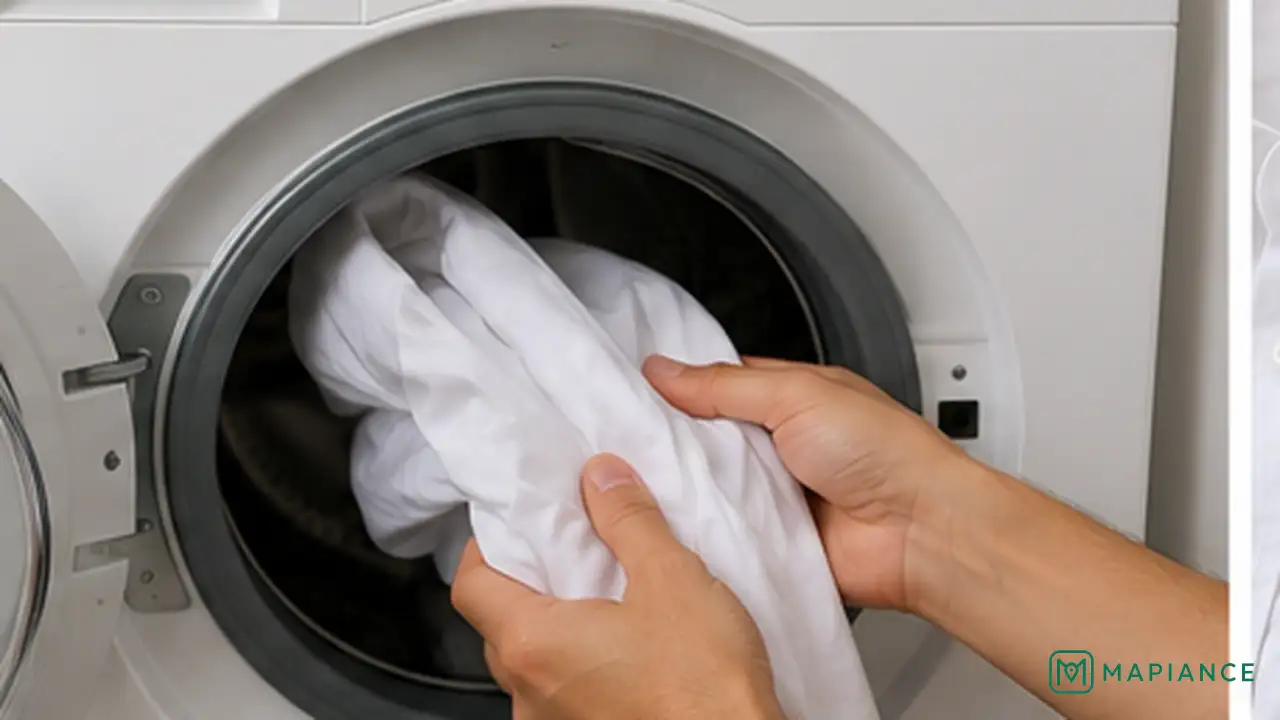
Wash the shirt with a good laundry detergent using the warmest water temperature allowed by its care label. Do not overload the washing machine because the shirt needs enough water and movement for the loosened residue to rinse away. When the cycle ends, inspect both underarms before putting the shirt in a dryer.
Air-Dry and Check the Result
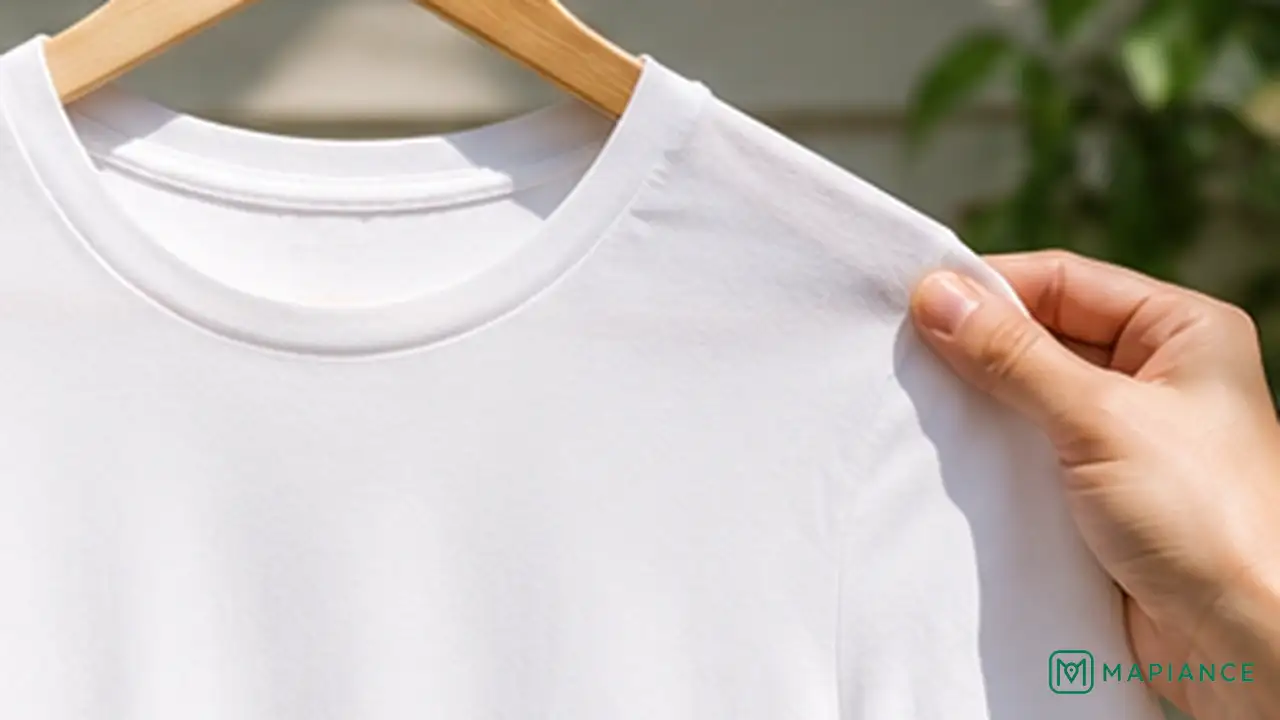
Let the shirt air-dry after the first treatment so dryer heat does not make any remaining discoloration harder to remove. Check the underarm area in good light once the fabric is dry. If a faint yellow mark remains, repeat the detergent treatment or oxygen-bleach soak before using a tumble dryer or iron.
Tips & common mistakes
Tips for best results
- Treat underarm marks as soon as you notice them because fresh residue is easier to remove than a stain that has been washed and dried many times.
- Turn shirts inside out before pretreating so the detergent reaches the side where sweat and antiperspirant build up most heavily.
- Use enough detergent for the load size and local water hardness; too little detergent can leave body oils behind.
- Let antiperspirant dry on your skin before dressing to reduce product transfer onto the shirt.
- For expensive or delicate white shirts, use a professional cleaner when the care label limits normal stain-removal methods.
Common mistakes
- Putting a stained shirt in a hot dryer before checking it can make remaining discoloration harder to remove.
- Scrubbing aggressively can roughen cotton fibres and damage delicate fabric around the underarm seam.
- Using chlorine bleach as the first treatment can weaken some fabrics and may make certain yellow sweat stains look worse.
- Mixing bleach products with ammonia, vinegar, or other cleaners can create dangerous fumes or reactions.
- Using very hot water without checking the care label can shrink the shirt or damage finishes, elastic, or blended fibres.
Frequently asked questions
Why do white shirts turn yellow under the arms?
The yellow colour usually comes from a buildup of sweat, body oils, and antiperspirant ingredients in the fabric. Repeated washing and drying without fully removing that residue can make the mark more noticeable.
Can I use chlorine bleach on yellow sweat stains?
It is better not to use chlorine bleach as the first treatment. It can damage some fabrics and may make sweat-related yellowing more noticeable. An oxygen-based bleach that is safe for the shirt is usually a better choice.
Will old sweat stains come out of a white shirt?
Many old stains improve with repeated pretreatment and an oxygen-bleach soak, but a stain that has been heat-dried many times may not disappear completely.
Should I use hot or cold water on sweat stains?
Start by rinsing the stain with cool water. For the final wash, use the warmest temperature permitted by the shirt’s care label.
Can I dry the shirt after one wash?
Only after checking that the stain is gone. Air-dry the shirt first when possible, because dryer heat can make remaining discoloration harder to treat.
What if the shirt is silk, wool, or dry-clean-only?
Do not use the same oxygen-bleach method unless the care label and product specifically allow it. Follow the garment care instructions or take the shirt to a professional cleaner.
Written by Mapiance Editorial Team
The Mapiance Editorial Team researches, writes, reviews, and maintains practical guides and explainers for MAPIANCE.
Published Aug 30, 2026 · Updated Oct 2, 2026