 MAPI
MAPIHow to Remove Urine Stains and Odor From a Mattress
Urine can soak below the mattress surface, so removing the smell requires more than wiping the top. The goal is to lift as much moisture as possible, break down the urine residue, and dry the mattress completely before putting sheets back on. Work with small amounts of liquid because excess moisture can stay trapped inside foam or padding and create a new odor or mildew problem.
Blot fresh urine without rubbing, apply a mattress-safe enzyme cleaner to the stained area, and let it work according to the label. Blot away excess moisture, cover the area with baking soda, let it dry fully, then vacuum. Repeat the enzyme treatment if odor remains, and never soak the mattress or mix cleaning chemicals.
Things you'll need
- Clean white towels or absorbent cloths
- Mattress-safe enzyme urine cleaner
- Baking soda
- Vacuum cleaner with upholstery attachment
- Fan for faster drying if available
- Disposable gloves if preferred
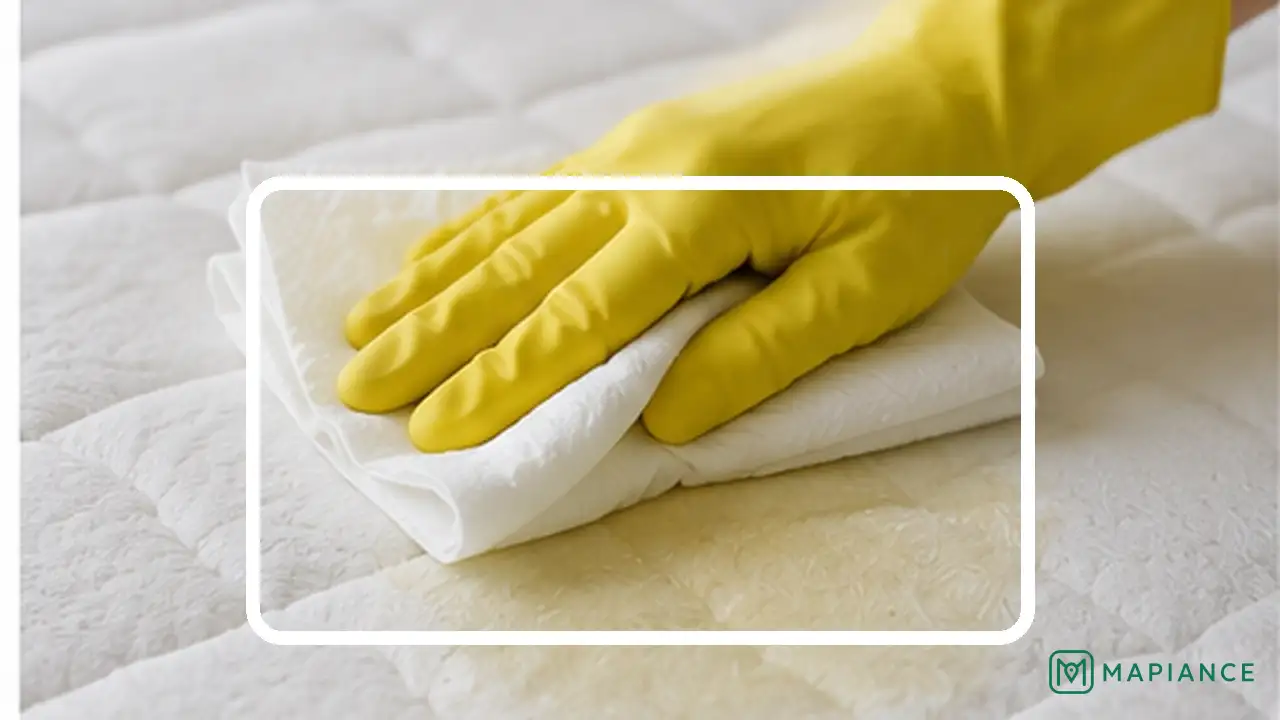
Blot up as much urine as possible
Remove the bedding and press clean white towels firmly onto the wet area. Lift the towels and repeat with dry sections until they stop picking up much moisture. Do not scrub or rub because that can spread the urine deeper and wider through the mattress fabric and padding.
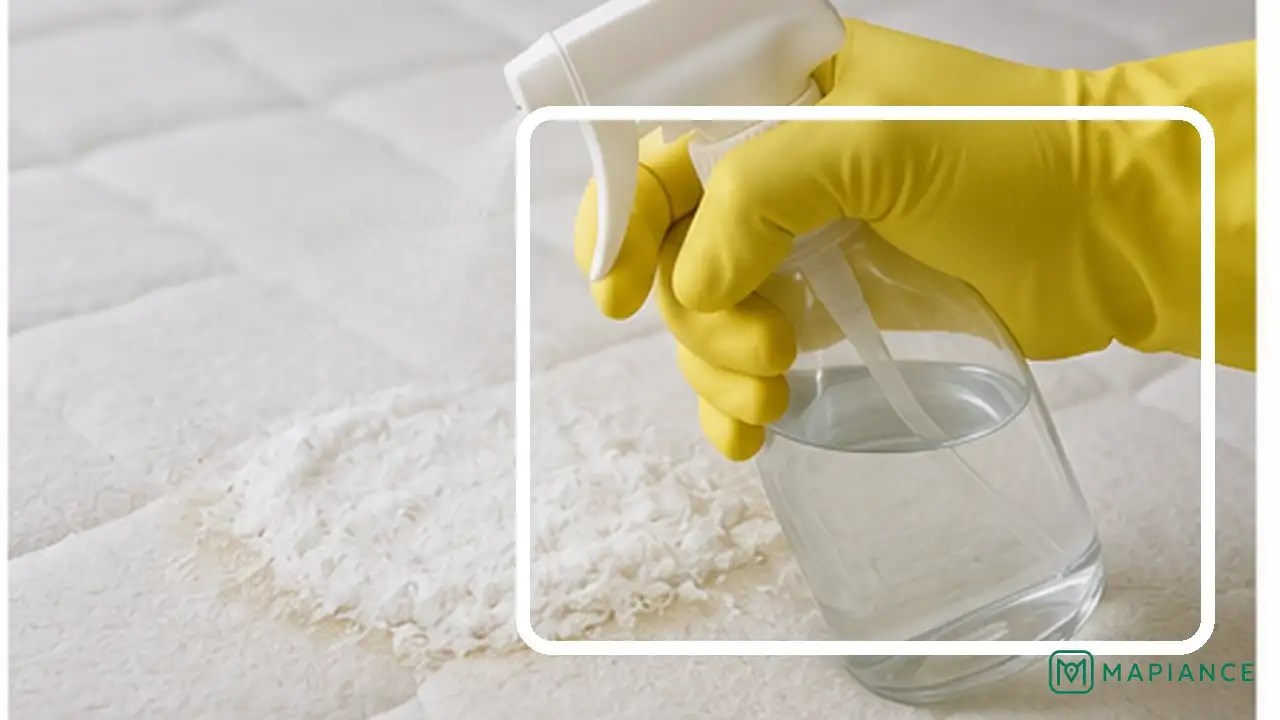
Apply an enzyme cleaner
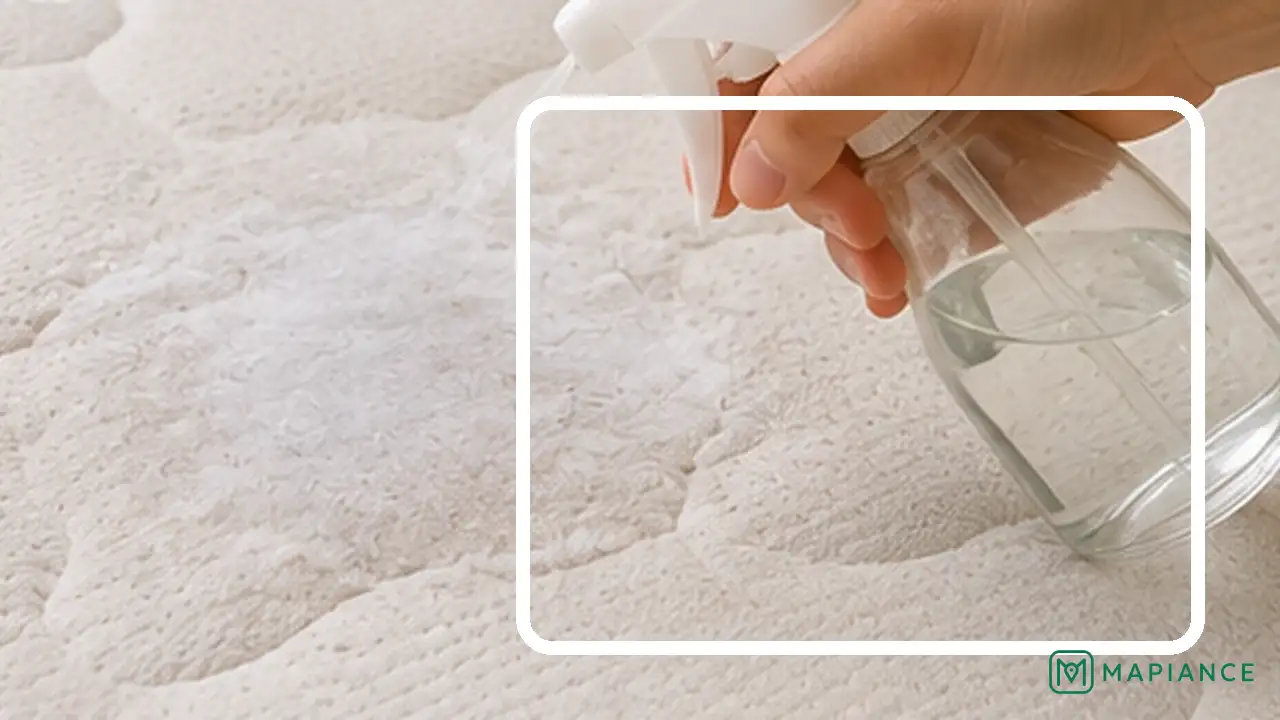
Use an enzyme urine cleaner that is suitable for the mattress fabric and follow its label directions. Apply enough to dampen the stained area without soaking the mattress. The cleaner needs contact with the urine residue to break down the compounds that cause lingering odor.
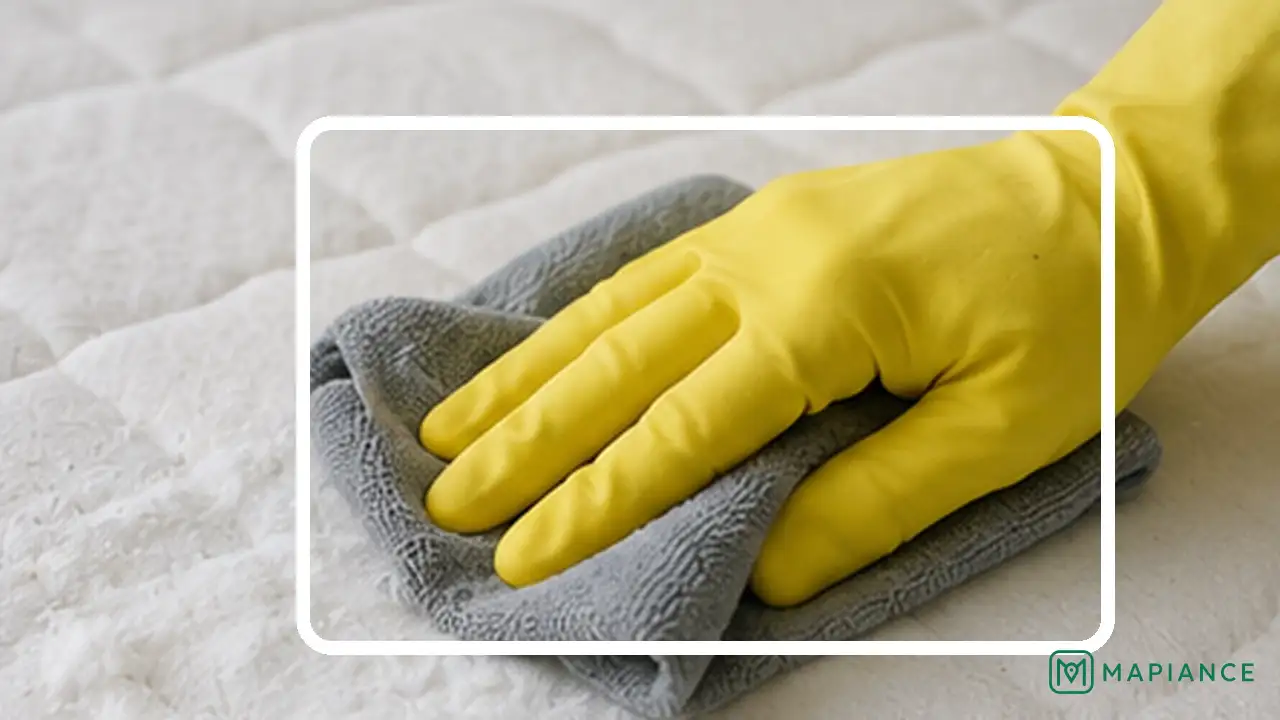
Let the treatment work, then blot again
Leave the enzyme cleaner on the stain for the time stated on the product label. Then press fresh towels onto the area to remove excess liquid. Continue blotting until the surface feels only slightly damp. Avoid using a hair dryer or strong heat, which can damage some mattress foams and fabrics.
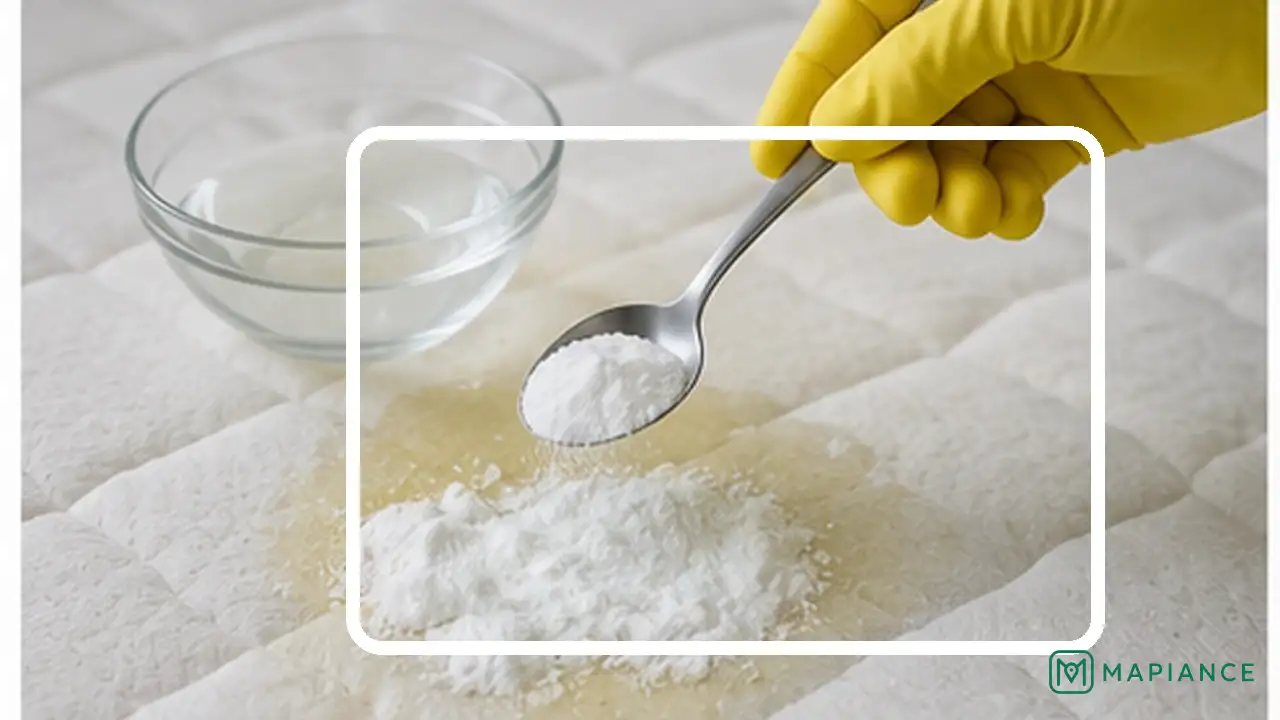
Cover the damp area with baking soda
Sprinkle a generous layer of baking soda over the slightly damp area. Leave it in place until the mattress is completely dry, preferably for several hours or overnight. The powder helps absorb remaining moisture and odor while the mattress dries.
Dry completely and vacuum
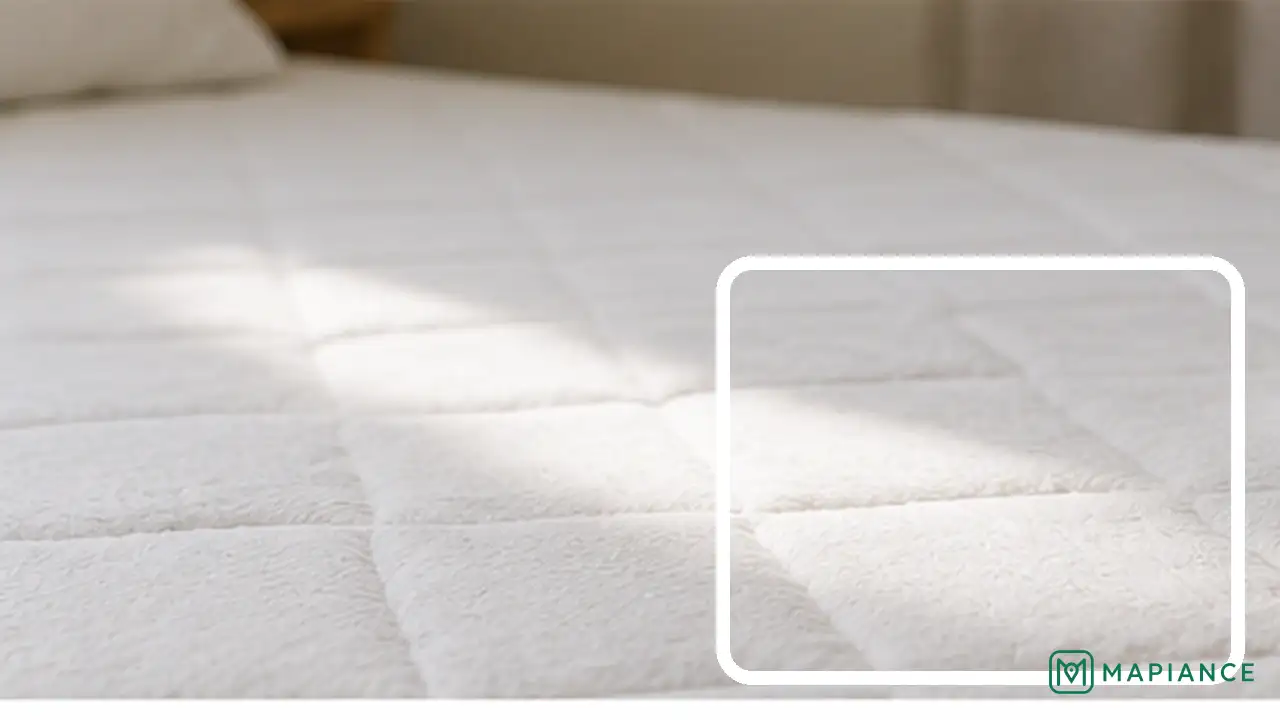
Keep the mattress uncovered while it dries. Open a window or run a fan across the room if that is safe and practical. When the treated area is fully dry, vacuum up all the baking soda with an upholstery attachment. Do not remake the bed while the mattress still feels damp.
Repeat if any odor remains
Smell the area only after it is fully dry. If urine odor remains, repeat the enzyme-cleaner treatment rather than covering the smell with perfume or fabric spray. For an old stain, more than one cycle may be needed. If the mattress stays strongly odorous after repeated treatment or has remained wet deep inside, professional cleaning or replacement may be more practical.
Tips & common mistakes
Tips for best results
- Treat the mattress as soon as possible because fresh urine is easier to remove than a stain that has dried deep into the padding.
- Use white towels so dye from a colored cloth does not transfer to a light mattress cover.
- For memory foam or thick foam mattresses, use as little liquid as possible because moisture can take a long time to leave the foam.
- A waterproof washable mattress protector can make future accidents much easier to clean.
- If the urine came from a pet, clean any nearby bedding or flooring too so the remaining scent does not encourage repeat accidents.
Common mistakes
- Scrubbing the stain: Rubbing can spread urine farther through the fabric and padding.
- Soaking the mattress with cleaner or water: Excess liquid can stay trapped inside and lead to mildew or persistent odor.
- Mixing cleaning products: Combining bleach, ammonia, acids, peroxide products, or other cleaners can damage the mattress or create unsafe fumes.
- Using strong heat to dry the mattress: High heat can damage foam, adhesives, or fabric layers.
- Putting sheets back on before the mattress is dry: Trapped moisture can create musty smells and slow the cleaning process.
Frequently asked questions
Can baking soda remove urine odor from a mattress by itself?
Baking soda can absorb moisture and reduce odor, but an enzyme cleaner is usually more effective for breaking down urine residue that remains inside the mattress.
How long should baking soda stay on a mattress?
Leave it until the treated area is fully dry. Several hours is common, and overnight can be useful when the mattress is only slightly damp and the room is well ventilated.
Can I use vinegar on a urine-stained mattress?
Some mattress fabrics tolerate diluted vinegar, but an enzyme urine cleaner is more directly designed for urine residue. Follow the mattress and cleaner instructions, and never mix vinegar with bleach or other cleaners.
Why does the mattress still smell after cleaning?
Urine may have soaked deeper than the surface treatment reached, or the mattress may still be damp. Let it dry completely before judging the result, then repeat an enzyme treatment if needed.
When should I replace a urine-soaked mattress?
Replacement may be more practical if urine soaked deeply into a large area, the mattress stayed wet for a long time, mold or mildew developed, or strong odor remains after repeated careful cleaning.
Written by Mapiance Editorial Team
The Mapiance Editorial Team researches, writes, reviews, and maintains practical guides and explainers for MAPIANCE.
Published Aug 28, 2026 · Updated Sep 30, 2026