 MAPI
MAPIHow to Remove Yellow Stains From Pillows
Yellow pillow stains usually come from sweat, body oils, skin products, moisture, and detergent buildup. The safest cleaning method depends on the pillow filling and outer fabric. Many synthetic and some down or feather pillows can be washed according to their care labels, while memory foam and latex pillows usually need surface cleaning instead of soaking or machine washing. Always follow the manufacturer's care instructions before using stain removers or bleach products.
Check the pillow care label first. For machine-washable pillows, pretreat yellow areas with a small amount of liquid laundry detergent, wash using the warmest water allowed by the label, and add oxygen bleach only if the fabric and filling permit it. Rinse well and dry the pillow completely before using it again.
Things you'll need
- Liquid laundry detergent
- Soft cloth or soft brush
- Oxygen bleach if allowed by the care label
- Washing machine for machine-washable pillows
- Clean towels
- Dryer balls or clean tennis balls in socks if suitable for the pillow
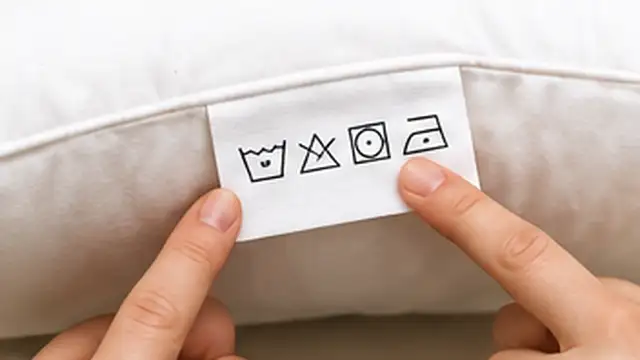
Check the pillow care label
Read the care label before adding water or cleaner. Synthetic, down, and feather pillows may be washable depending on the manufacturer, while memory foam and latex pillows are usually not suitable for machine washing or soaking. If the label says spot clean only or dry clean only, follow that instruction.
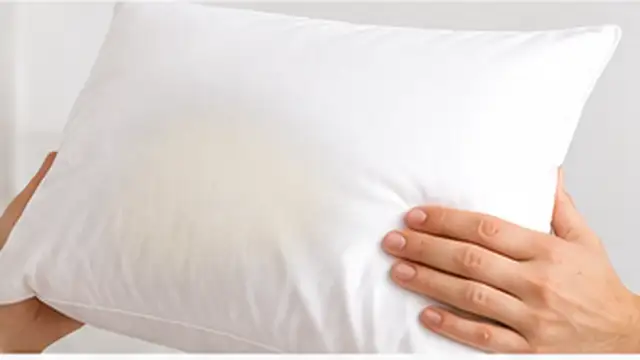
Remove the pillowcase and inspect the stain
Take off the pillowcase and protector and wash them separately according to their labels. Look at the bare pillow to see whether the yellowing is only on the outer fabric or has spread deeply into the filling. Surface stains are easier to treat than discoloration that has developed inside the pillow over a long period.
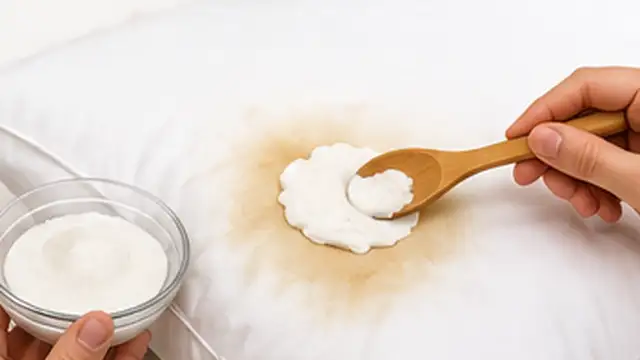
Pretreat the yellow areas
For a washable pillow, apply a small amount of liquid laundry detergent directly to the yellow areas. Gently work it into the fabric with your fingers, a soft cloth, or a soft brush, then leave it for about 10 to 15 minutes. Avoid soaking the pillow at this stage and do not scrub aggressively because this can damage the outer fabric or filling.
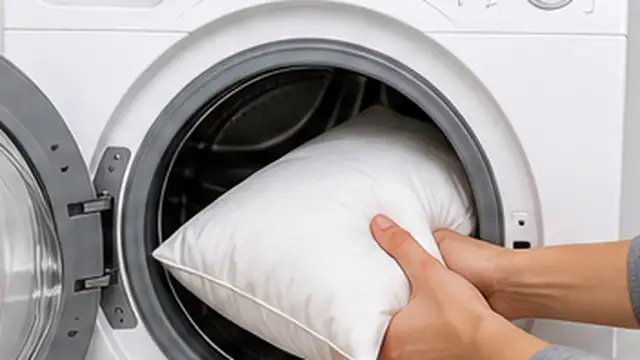
Wash the pillow if the label allows it
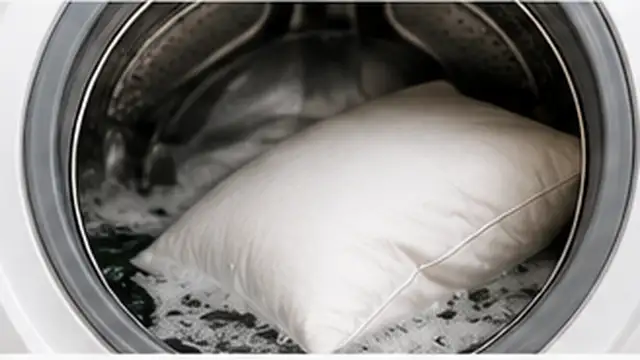
Place the pillow in the washing machine only if the care label permits machine washing. Use the recommended cycle, a normal amount of laundry detergent, and the warmest water allowed by the label. If the pillow material allows oxygen bleach, add it according to the product instructions for extra stain removal. Do not mix bleach products with vinegar, ammonia, or other cleaners.
Rinse thoroughly
Run an extra rinse if the pillow still feels soapy or heavy with detergent. Residue trapped in the filling can attract dirt and make the pillow feel stiff. If your washer has a gentle spin option, use the setting recommended by the pillow manufacturer so excess water is removed without damaging the filling.
Dry the pillow completely
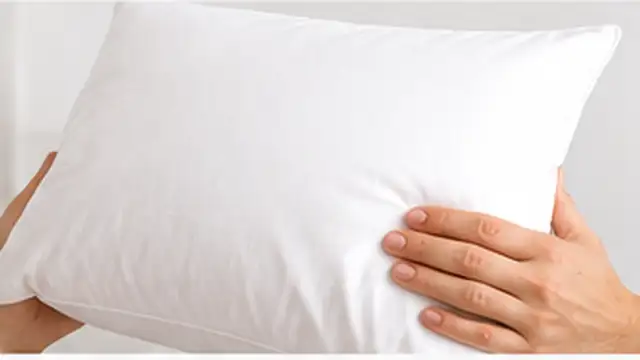
Dry the pillow exactly as the care label recommends. If tumble drying is allowed, use the recommended heat setting and add dryer balls or clean tennis balls in socks when suitable to help separate the filling. Stop and fluff the pillow several times during drying. Do not put it back on the bed until the center is completely dry because trapped moisture can cause odors or mildew.
Tips & common mistakes
Tips for best results
- Use a washable pillow protector under the pillowcase to reduce sweat and body oils reaching the pillow.
- Wash pillowcases and protectors regularly so oils do not build up and transfer into the pillow.
- Treat yellowing early because old body-oil stains are harder to remove completely.
- Wash two compatible pillows together when your washer manual recommends balancing the load.
- Replace a pillow that remains heavily stained, smells musty after proper cleaning, or has filling that no longer dries or supports evenly.
Common mistakes
- Machine washing memory foam or latex without checking the label: These materials can tear, crumble, or hold too much water.
- Using too much detergent: Excess detergent can remain trapped inside the pillow and make rinsing difficult.
- Mixing chlorine bleach with vinegar or ammonia: These combinations can release dangerous gases.
- Drying the pillow only on the outside: The center can stay damp long after the surface feels dry.
- Using high heat without checking the care label: Heat can damage some synthetic fillings, foam, fabrics, or adhesives.
Frequently asked questions
Why do pillows turn yellow?
Yellowing usually comes from sweat, body oils, skin products, moisture, and residues that slowly build up in the pillow fabric and filling.
Can I use oxygen bleach on yellow pillow stains?
Use it only if the pillow care label and the oxygen-bleach product instructions say it is safe for the fabric and filling. Test carefully if you are unsure.
Can I wash memory foam pillows to remove yellow stains?
Most memory foam pillows should not be machine washed or soaked. Follow the manufacturer's spot-cleaning instructions and keep excess water out of the foam.
Why is my pillow still yellow after washing?
Old stains may have penetrated deeply into the fabric or filling and may not disappear completely. Repeated harsh treatment can damage the pillow, so replacement may be more practical if the pillow is old or heavily discolored.
How can I stop pillows from turning yellow again?
Use a washable pillow protector, wash pillowcases regularly, keep wet hair off the pillow when possible, and clean the pillow according to its care schedule before stains become deeply set.
Written by Mapiance Editorial Team
The Mapiance Editorial Team researches, writes, reviews, and maintains practical guides and explainers for MAPIANCE.
Published Aug 23, 2026 · Updated Sep 20, 2026