 MAPI
MAPIHow to Repair Bare Patches in a Lawn
Bare patches usually return if you reseed without fixing the reason the grass disappeared. Common causes include heavy foot traffic, compacted soil, pet urine, poor drainage, shade, drought, insects, or disease. Once the cause is corrected, a small patch can usually be repaired with fresh seed and careful watering.
Remove dead grass, loosen the topsoil, add a thin layer of screened topsoil or compost if needed, then sow grass seed that matches your lawn. Press the seed into the soil, water gently, and keep the patch consistently moist until the new grass is established.
Things you'll need
- Rake or hand cultivator
- Grass seed that matches the existing lawn
- Screened topsoil or compost if the soil needs improvement
- Garden hose with a gentle spray setting
- Small amount of straw or seed-starting mulch if needed
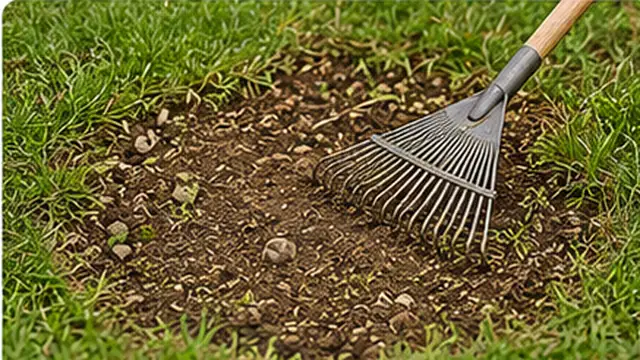
Find and fix the cause
Look at the bare area before adding seed. Check for hard compacted soil, standing water, heavy foot traffic, pet damage, deep shade, insects, or signs of disease. Correct the obvious problem first, such as redirecting foot traffic, improving drainage, or loosening compacted soil, so the new grass has a better chance of surviving.
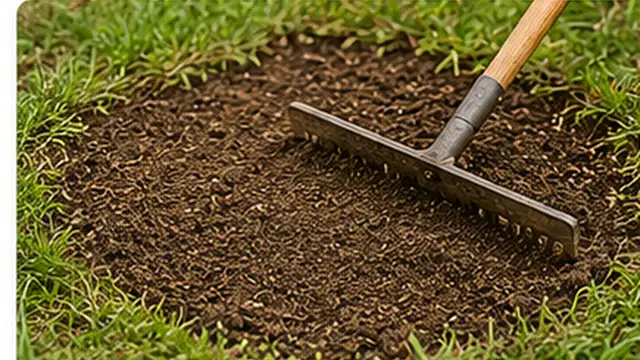
Clear and loosen the patch
Rake away dead grass, loose thatch, stones, and other debris until you can see the soil. Scratch or cultivate the top 2 to 5 centimeters of soil so it is loose enough for seed to make contact. Break up hard clumps, but avoid digging so deeply that you damage healthy roots around the edge of the patch.
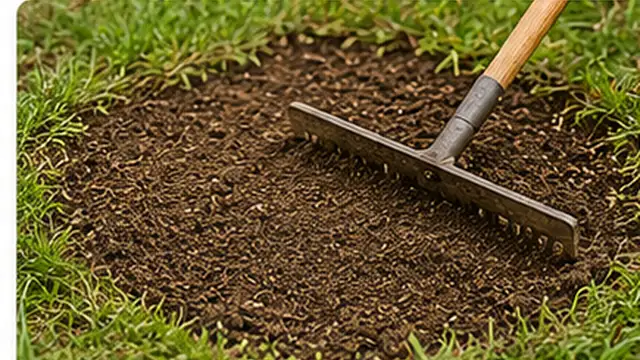
Improve and level the soil
If the patch is low, poor, or thin, spread a light layer of screened topsoil or finished compost over it and mix a little into the loosened surface. Level the area so it sits close to the height of the surrounding lawn. Do not build a thick mound above the existing grass.
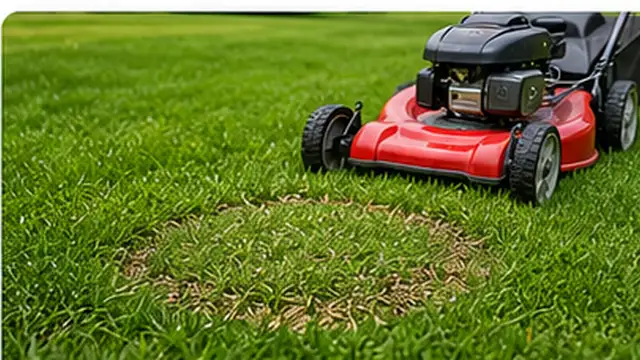
Sow matching grass seed
Use seed that matches the grass already growing in your lawn and is suitable for the amount of sun the patch receives. Spread the seed evenly over the prepared soil at the rate on the seed package. Rake very lightly or press the seed into the surface so it has good soil contact without being buried too deeply.
Water gently and keep it moist
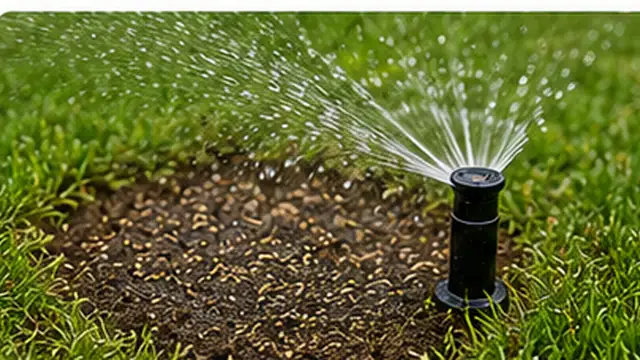
Water with a gentle spray so the seed stays in place. Keep the top layer of soil consistently moist while the seed germinates, using light watering as often as needed for your weather and soil. Avoid puddles and runoff. As the grass becomes established, reduce the watering frequency and water more deeply.
Protect the new grass
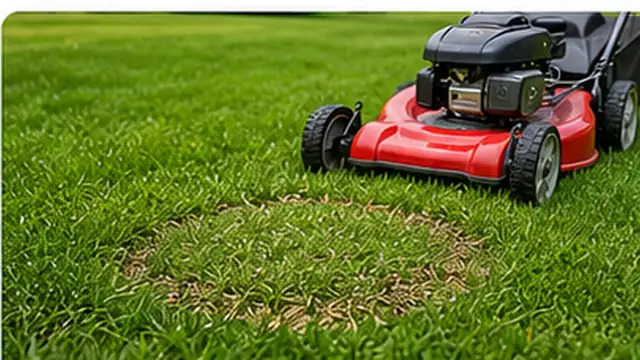
Keep people, pets, and heavy equipment off the repaired patch while the grass is young. Wait until the new blades are tall enough for normal mowing before cutting them, and never remove more than about one-third of the blade height at one mowing. Continue normal lawn care once the new grass has rooted and blends with the surrounding area.
Tips & common mistakes
Tips for best results
- Repair cool-season lawns when temperatures favor active growth, commonly in early fall or spring; warm-season lawns are usually repaired during late spring or summer growth.
- Choose a seed blend that matches both your existing lawn and the light conditions in the damaged area.
- A very light seed-starting mulch can help the surface stay moist, but do not cover the seed with a thick layer.
- If birds repeatedly remove seed, use a light protective covering that still allows air, light, and water through.
- For a large bare area where you want an immediate result, a matching piece of sod may be faster than seed.
Common mistakes
- Reseeding without fixing the cause: New grass can fail for the same reason the original lawn became bare.
- Leaving the soil hard and smooth: Grass seed needs direct contact with loose soil to establish well.
- Using a different grass type: The repaired patch may have a noticeably different color, texture, or growth habit.
- Burying seed too deeply: Many lawn grasses establish best when seed is only lightly covered or pressed into the surface.
- Letting the surface dry during germination: Young seed can fail if the topsoil repeatedly dries out before roots develop.
Frequently asked questions
What is the best time to repair bare lawn patches?
Repair the patch while your grass type is actively growing. Cool-season grasses are often easiest to establish in early fall or spring, while warm-season grasses usually establish best in late spring or summer.
Do I need topsoil before reseeding a bare patch?
Not always. Add a thin layer if the existing soil is low, poor, or difficult to level. If the soil is already good, loosening the surface may be enough.
Should I cover grass seed after planting?
The seed needs good soil contact but should not be deeply buried. A very light layer of soil or seed-starting mulch can help hold moisture.
How often should I water a newly seeded patch?
Water lightly whenever needed to keep the top layer consistently moist during germination. Once the grass establishes, water less often and more deeply.
Why does the same lawn patch keep becoming bare?
A recurring patch often points to an unresolved problem such as traffic, compaction, shade, drainage, pet damage, insects, or disease.
Written by Mapiance Editorial Team
The Mapiance Editorial Team researches, writes, reviews, and maintains practical guides and explainers for MAPIANCE.
Published Aug 25, 2026 · Updated Sep 9, 2026