 MAPI
MAPIHow to Unclog a Drain Without Chemicals
Most household drain clogs are caused by hair, soap residue, food particles, or other debris trapped near the drain opening. You can often clear these blockages without pouring chemical cleaners into the pipes. Start with the least invasive method and move deeper into the drain only if needed.
Remove visible debris first, then use a plunger to loosen the blockage. If the drain is still slow, use a drain snake or plastic hair-removal tool to pull out material trapped deeper in the pipe.
Things you'll need
- Rubber gloves
- A cup or small container
- A sink or drain plunger
- A plastic drain tool or hand drain snake
- Hot tap water
- An old cloth or towel
Remove standing water and visible debris
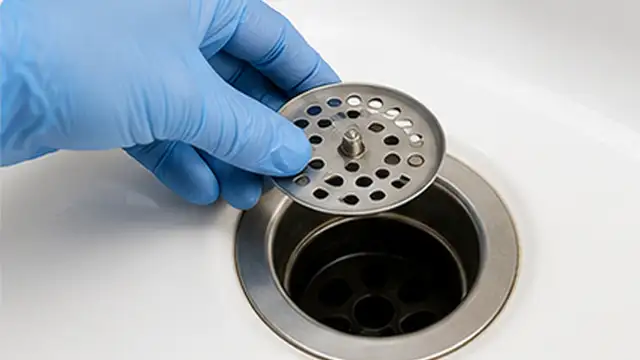
Put on gloves and remove as much standing water as possible with a cup or small container. Lift out the drain stopper if it can be removed easily, then pull away any visible hair, food, soap buildup, or other debris around the drain opening. For a bathroom drain, check the underside of the stopper because hair often wraps around it.
Plunge the drain
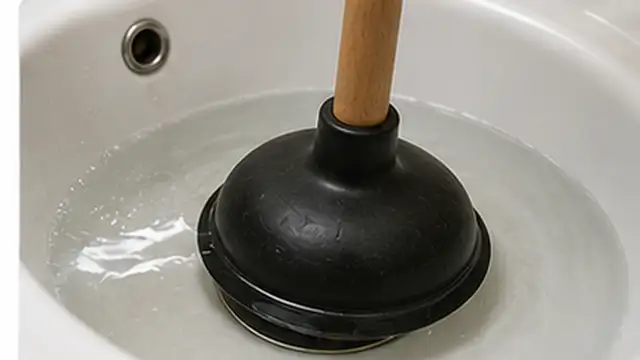
Add enough water to cover the edge of the plunger cup. Place the plunger directly over the drain to create a tight seal, then push and pull firmly several times without lifting the cup away from the surface. Remove the plunger and check whether the water begins draining faster. If the sink has an overflow opening, cover it with a wet cloth while plunging to improve suction.
Pull out deeper debris
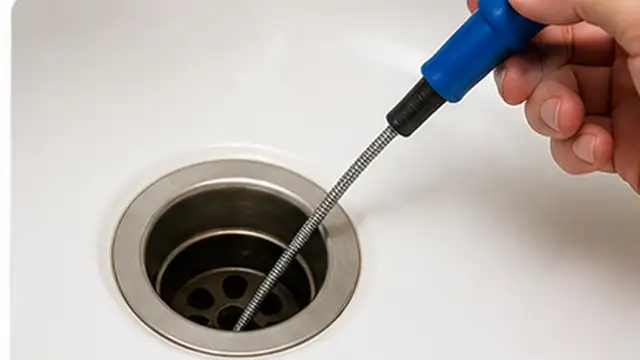
If plunging does not clear the drain, insert a plastic drain-cleaning strip or small hand drain snake slowly into the opening. Feed it downward until you feel resistance, then twist or move it gently to catch the blockage. Pull the tool out slowly and remove any hair or debris attached to it. Repeat until the tool comes back mostly clean.
Flush with hot water
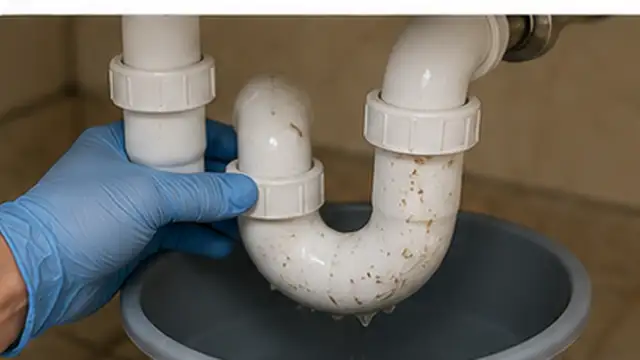
Once the blockage has been removed, run hot tap water through the drain for one to two minutes. This helps carry away loosened soap, grease, and small particles. Use hot tap water rather than boiling water, especially if you do not know what type of plastic piping is under the sink.
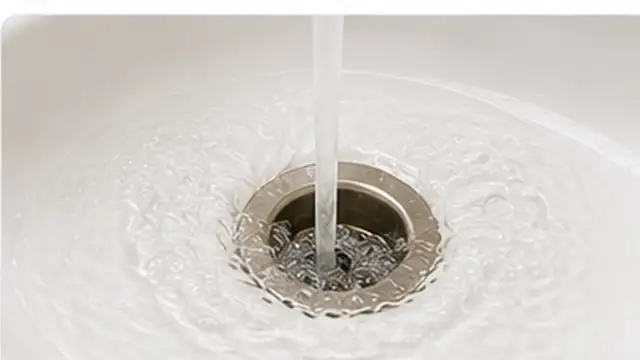
Test the drain flow
Let the sink or shower fill with a small amount of water, then release it and watch how quickly it drains. The water should flow away without pooling or backing up. If it is still very slow after repeated plunging and snaking, the blockage may be deeper in the plumbing and may require professional attention.
Tips & common mistakes
Tips for best results
- Clean removable sink and shower stoppers regularly because hair and soap often collect around them before reaching deeper pipes.
- Use a drain strainer in showers and kitchen sinks to catch hair, food scraps, and other debris.
- For kitchen sinks, wipe grease and cooking oil from pans before washing them instead of letting large amounts enter the drain.
- A small plastic drain tool is often more effective for hair clogs than repeatedly plunging the drain.
- Stop using the drain if water starts backing up into another fixture, as this can indicate a blockage deeper in the plumbing system.
Common mistakes
- Plunging without a seal: If air escapes around the plunger, very little pressure reaches the blockage. Keep the cup flat against the surface and cover any overflow opening.
- Pushing hair deeper into the pipe: Pull hair and debris upward whenever possible rather than forcing it farther down the drain.
- Using excessive force with a drain snake: Aggressive twisting can damage fittings or cause a tool to become stuck. Feed and rotate it gently.
- Pouring boiling water into unknown pipes: Very hot water can damage some plastic plumbing. Hot tap water is a safer choice when the pipe material is uncertain.
- Ignoring repeated clogs: A drain that blocks again soon after cleaning may have a deeper obstruction or another plumbing problem.
Frequently asked questions
Can I unclog a drain without baking soda or vinegar?
Yes. Removing debris, plunging, and using a drain snake are mechanical methods that can clear many common household clogs without adding cleaning substances to the pipe.
What works best for a drain clogged with hair?
A plastic hair-removal tool or small hand drain snake usually works well because it can hook and pull the hair out instead of pushing it farther into the pipe.
Can hot water clear a clogged drain by itself?
Hot water may help loosen light soap or grease residue, but it usually will not remove a solid blockage of hair or compacted debris. Remove the clog mechanically first.
When should I call a plumber?
Consider professional help if several drains are blocked at the same time, wastewater backs up into another fixture, you hear frequent gurgling, or the clog returns soon after manual cleaning.
Written by Mapiance Editorial Team
The Mapiance Editorial Team researches, writes, reviews, and maintains practical guides and explainers for MAPIANCE.
Published Aug 18, 2026 · Updated Sep 27, 2026