 MAPI
MAPICrafts & Hobbies
Creative step-by-step guides for crafts, hobbies, handmade projects, techniques, materials, and activities for beginners and experienced makers alike.
45 guides
Why Does Acrylic Paint Dry Darker?
Liquitex explains that some acrylic color looks lighter while wet because its emulsion appears milky; as it dries and the binder clears, the perceived value darkens.
Can You Add Water to Air-Dry Clay to Soften It?
Yes, while the clay is still workable. Crayola says water can be added to Air-Dry Clay to soften it or to join pieces, but too much water can contribute to cracking.
Should Air-Dry Clay Be Fully Dry Before Painting?
Yes. Crayola says thoroughly dry Air-Dry Clay pieces may be painted with tempera, acrylic, or watercolor.
Is Air-Dry Clay Waterproof After Sealing?
No. Crayola explicitly says sealing Air-Dry Clay does not make it waterproof.
Can You Seal Air-Dry Clay?
Yes. Crayola says fully dry Air-Dry Clay can be sealed, and suggests testing an acrylic varnish for compatibility first.
Why Does Air-Dry Clay Warp?
Air-dry clay warps when the edges dry faster than the inside, creating uneven shrinkage across the piece.
Should You Change a Sewing Machine Needle Regularly?
Regular needle replacement helps prevent sewing problems caused by worn, dull, bent, or damaged needles.
Should the Presser Foot Be Up When Threading a Sewing Machine?
Raising the presser foot while threading helps the upper thread seat correctly in the tension system on Singer machines.
7 Reasons Your Sewing Machine Needle Keeps Breaking
A sewing-machine needle can keep breaking because it is bent, installed incorrectly, mismatched to the fabric, affected by tight threading, paired with the wrong presser foot, pulled sideways by the fabric, or exposed to bobbin-case damage.
Why Is Thread Bunching Under My Fabric?
Thread bunching under fabric usually points to an upper-threading problem rather than a bobbin-tension problem.
Why Is My Sewing Machine Skipping Stitches?
Skipped stitches often point to a needle problem, incorrect needle installation, the wrong needle type for the fabric, or timing that needs service.
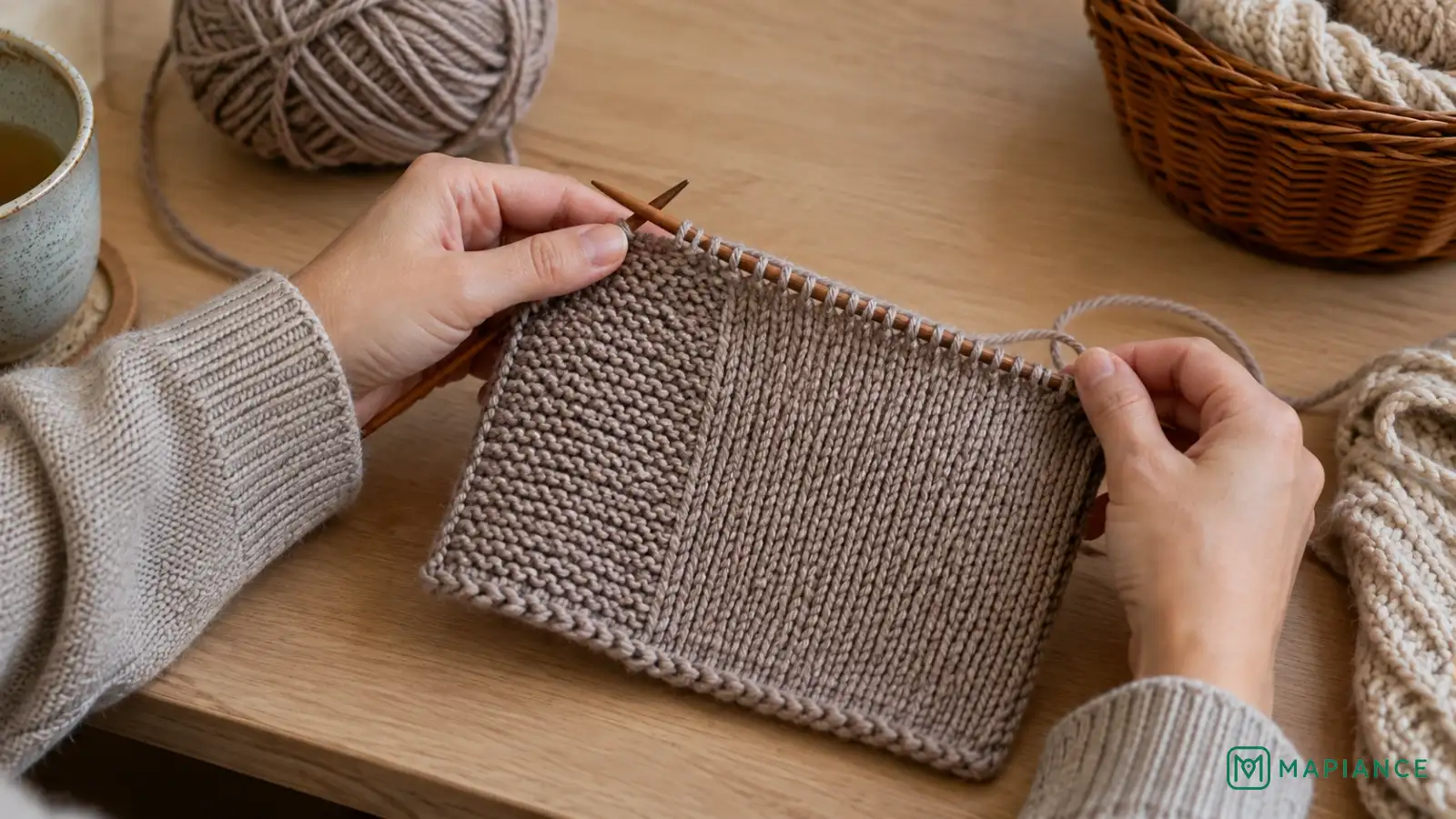
How to Fix Knitting That’s Too Tight
Loosen tight knitting by correcting your gauge, relaxing yarn tension, and using a larger needle when needed.